Where Does the Arab Gulf Stand on the Iran-Israel War?
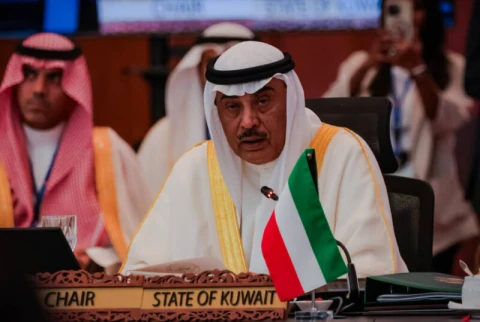
Gulf countries continue to strive to prevent war from spreading to their regions while ensuring regional security cooperation.

Gulf countries continue to strive to prevent war from spreading to their regions while ensuring regional security cooperation.
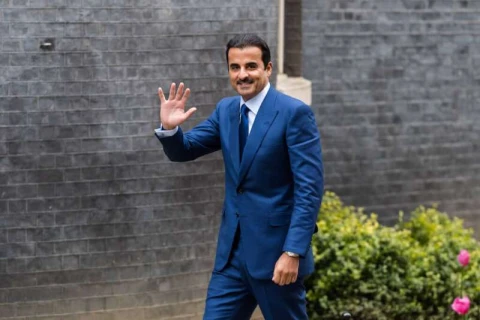
Sheikh Tamim is expected to play an active role in foreign policy, pursue a policy of balancing between the great powers, continue to be involved in the Israeli-Palestinian conflict, and deal with issues of the Islamic world.

Joint Iranian-Arab naval exercises are indicative of an important geopolitical shift taking place in the Middle East.
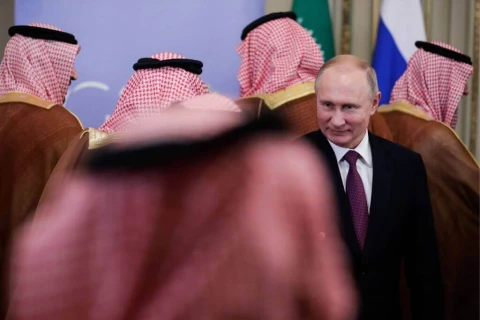
The Russian invasion of Ukraine appears as the most serious test for GCC states to excel their navigation skills in a multipolar world.
Qatar as a major non-NATO ally of the United States, still appears to be the UAE’s primary competitor.

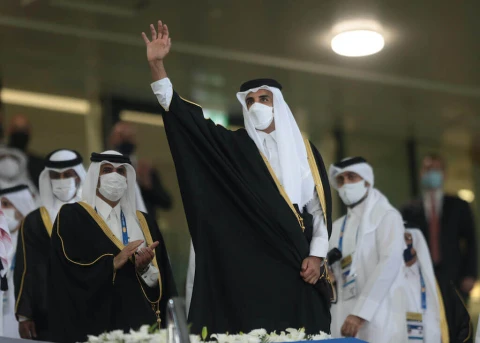
Sports has been one of Qatar's leading soft power tools and the country advertises itself through sports as it has a magic transcending politics.
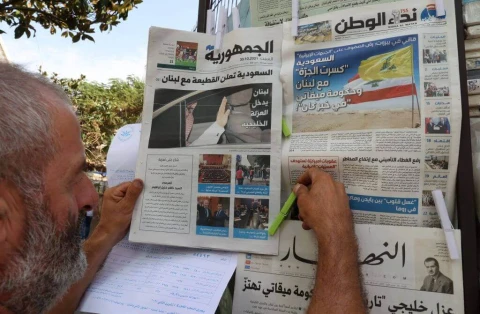
Two major incidents exemplified Riyadh’s waning influence and Lebanon’s break from its traditional foreign policy positioning.
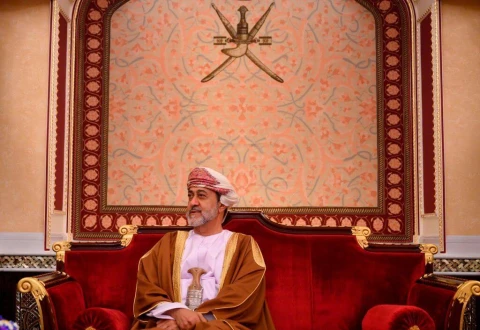
Despite uncertainty about what the newly established Omani-Saudi council may achieve, the Omani sultan’s visit to Riyadh signals an increasing and notable willingness to work alongside the GCC’s largest country.
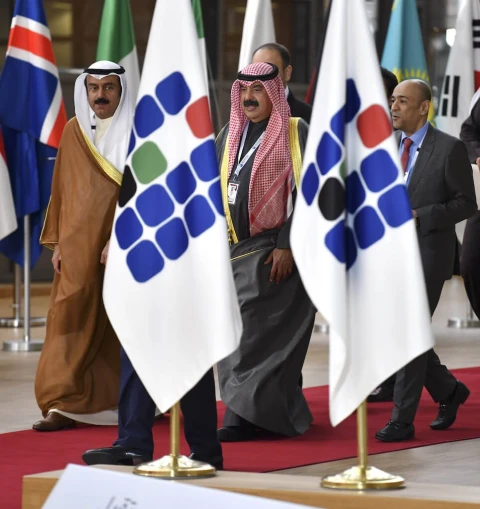
Time will show whether a second "Damascus Declaration” will be pursued as the Gulf countries come closer to Damascus and drift apart from Turkey.
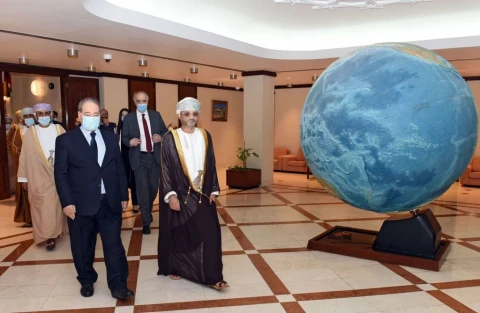
The GCC is still divided on Syria 10 years after the outbreak of the revolution.
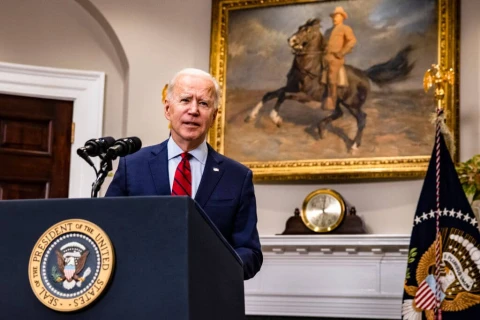
The Saudi-Emirati partnership should expect to be cornered in Yemen and in Libya in the near future as the honeymoon with Trump has come to an end.
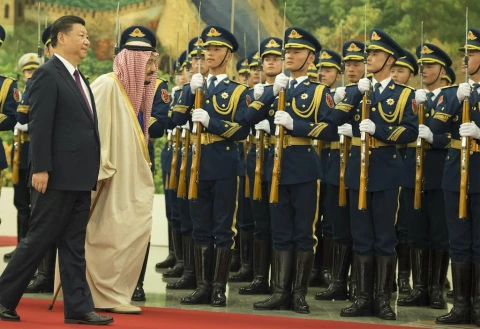
China has no ambition of dislodging the United States from the Arab Peninsula. A cordial relationship with all Members of the GCC is in its best interest.

Having aligned their security interest with Israel, Arab states will now find it extremely difficult to disentangle themselves from the many hostile and belligerent operations of the Zionist state.
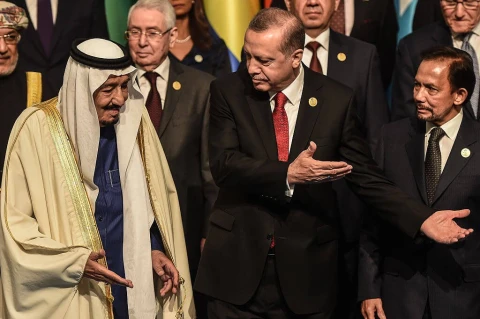
Many factors make the rapprochement between Turkey and Saudi Arabia more likely yet improving the relations between Turkey and the UAE needs more time.
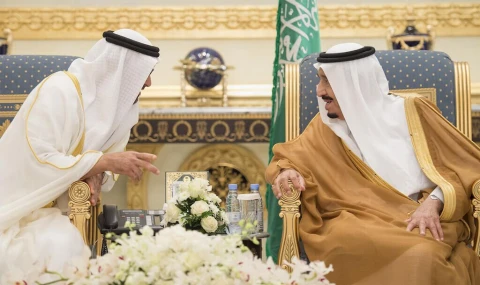
Despite Emirati unwillingness, Riyadh was keen on lifting the blockade on Qatar. Moreover, Saudi Arabia and the UAE pursue different policies toward Turkey and breaking up their partnership over Yemen.
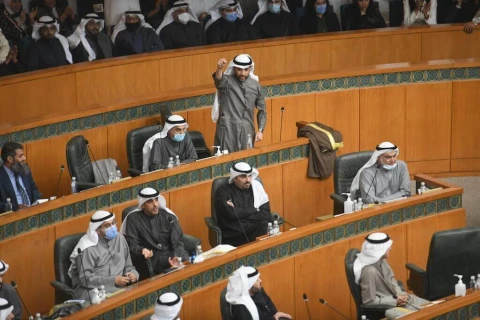
Although Kuwait’s parliament rarely engages in matters of foreign affairs, its role as a check and balance to the executive branch is not to be underestimated.
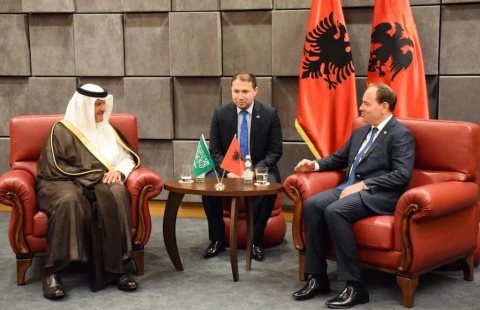
Turkey is one step ahead of Saudi Arabia in the Balkans, because Ankara promotes a version of Islam closer to Balkan Muslims, thanks to their common historical and religious heritage.
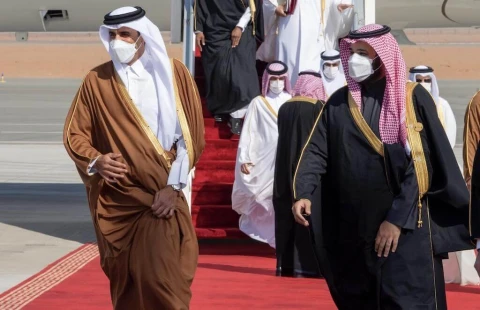
Even if competition is more than likely to continue, reconciliation between Qatar and the Saudi bloc can incentivize the parties to limit the scope of their rivalry to avoid another intra-Gulf rupture.