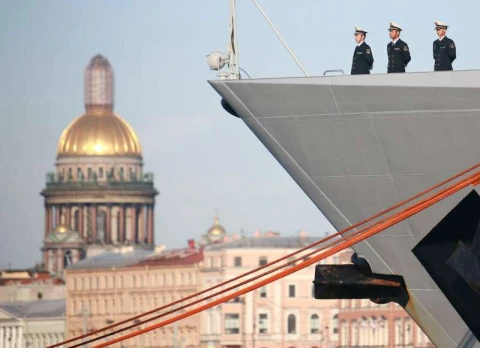
China and the Middle East: Is Turkey a Gateway for a New Political Alliance?
China is ready to take a step further and broaden the scope of its integration strategies.


China is ready to take a step further and broaden the scope of its integration strategies.
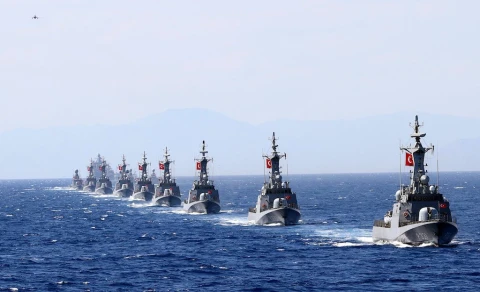
In the last three years, one of Turkey’s most important advantages has been its natural gas exploration in the Eastern Mediterranean.

The most significant impact of AUKUS on the MENA security complex is expected to be observed in the Eastern Mediterranean.
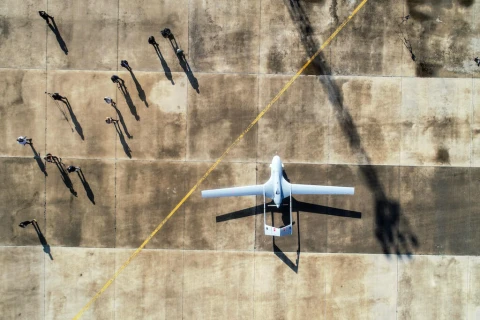
Several Middle Eastern and African countries such as Saudi Arabia, Somalia, and Egypt expressed interest in purchasing the Turkish UAVs.
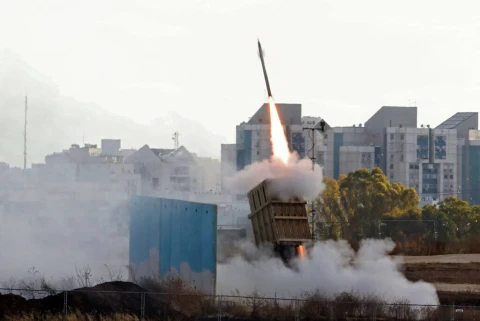
The next decade will burden non-state armed actors with higher costs for security, education, logistics, and fewer opportunities to harm the targeted army.
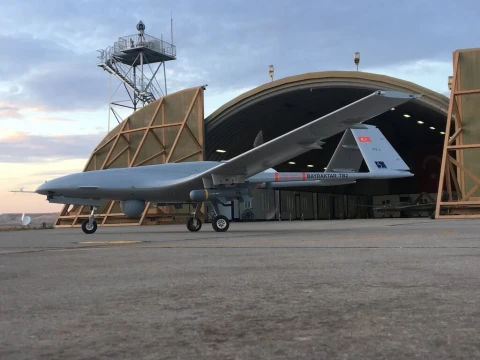
Defense industry cooperations between Saudi Arabia & Turkey offer great opportunities for both, including the transfer of defense know-how to Saudi Arabia.
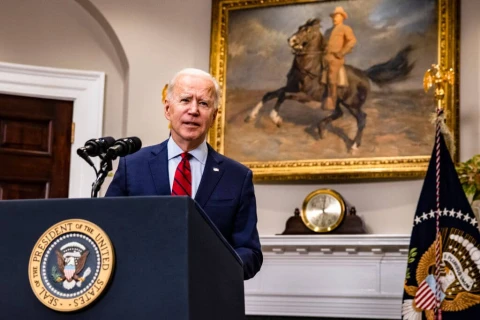
The Saudi-Emirati partnership should expect to be cornered in Yemen and in Libya in the near future as the honeymoon with Trump has come to an end.
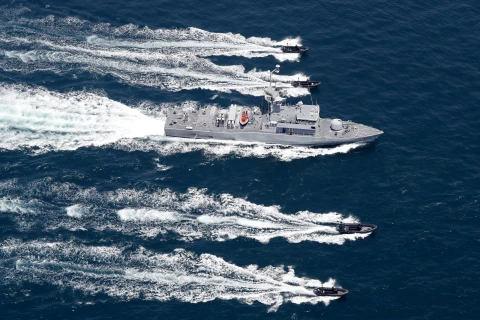
The Turco-Qatari military cooperation holds a great potential in countering the Saudi-Iranian rivalry in the Middle East and thus the increased balance against them.