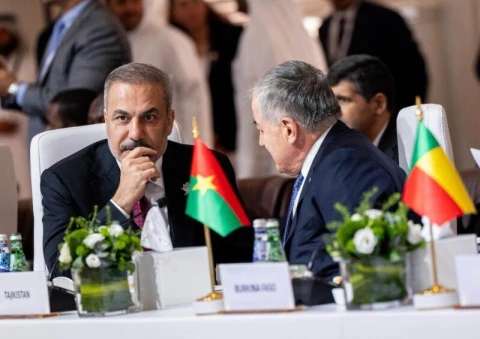
The Doha Summit: A New Era in Regional Security?
The joint response following Israel's attack on Qatar indicates that a new security architecture is emerging in the Middle East.


The joint response following Israel's attack on Qatar indicates that a new security architecture is emerging in the Middle East.
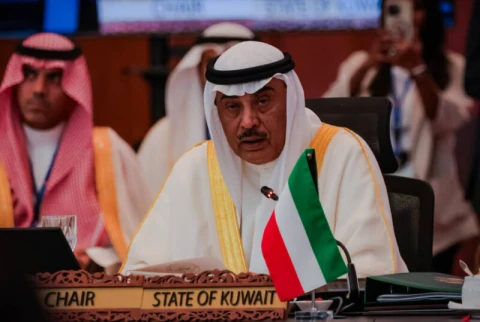
Gulf countries continue to strive to prevent war from spreading to their regions while ensuring regional security cooperation.
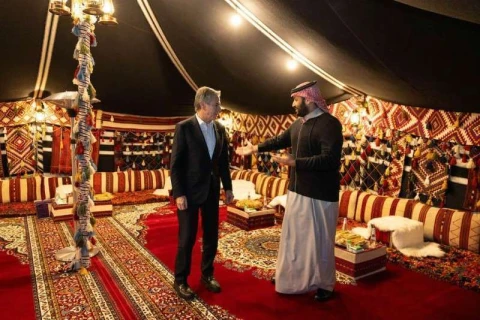
Saudi Arabia's search for a new identity has given rise to a new kind of Saudi nationalism that consolidates the power of the al-Saud family and Crown Prince bin Salman.
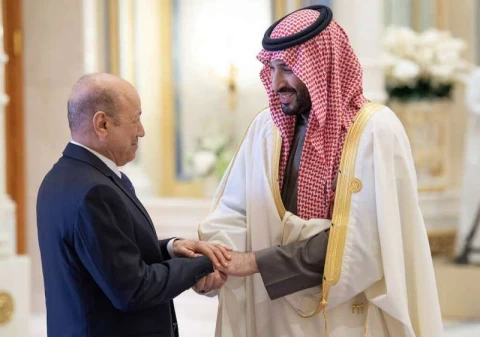
Attacks against the Houthis may increase anti-American sentiment among Middle Easterners who oppose foreign intervention.

As northern Syria becomes safer, Syrian refugees voluntarily returning to their homes become more likely.
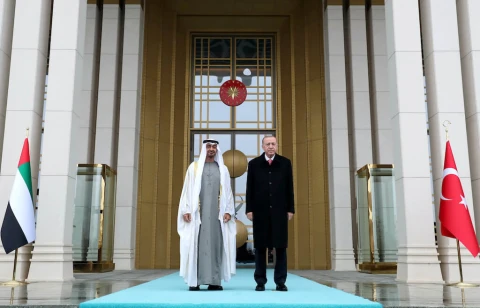
The UAE’s latest diplomatic moves towards Turkey reveal that there is a consensus to cooperate economically despite political differences.
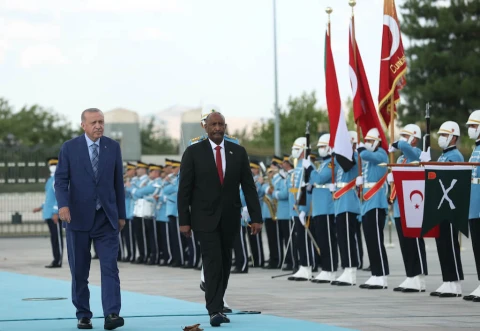
The deepening of bilateral ties will provide many strategic benefits to both Turkey and Sudan. Right now, Turkey is standing by the Sudanese transition government.