Libya’s Maritime Deal Approval: A Major Win for Türkiye and a New Mediterranean Balance
The Eastern Libya House of Representatives’ approval of the Türkiye-Libya agreement has drawn criticism from other regional actors.


The Eastern Libya House of Representatives’ approval of the Türkiye-Libya agreement has drawn criticism from other regional actors.

Bringing maritime traffic in the Red Sea under Houthi control was intended to exert pressure not only on Saudi Arabia but also on global actors.

The Mecca Joint Defense Agreement can be seen as a concrete outcome of the quest to reduce dependence on external security guarantees and to build an intra-regional deterrence mechanism amongst regional actors.
The primary aim behind the establishment of the Istanbul Cooperation Initiative was for NATO to contribute to the security architecture in the Middle East and the Gulf region in an inclusive and collaborative manner.
The Gulf states were disappointed by the failure of the security architecture, which had been based on the assumption that the US would protect them, to withstand this severe test.
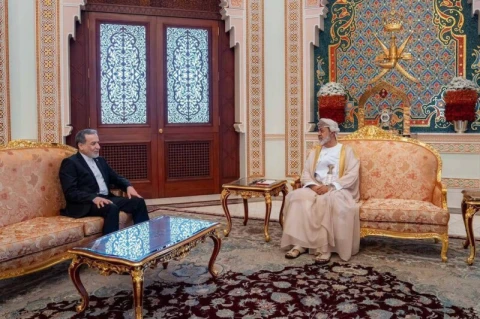
Oman views its status as the country least affected by the conflict in the Gulf in security terms as a result of the neutral policy it has pursued from the past to the present.

Rather than clashing over interests in the Horn of Africa and the Red Sea basin, it would be more positive and realistic for Türkiye, Egypt and Saudi Arabia to manage their interests through shared foreign policies.
Cooperation initiatives between countries such as Turkey, Saudi Arabia and Pakistan have the potential to foster closer interaction, both in terms of security and economically.

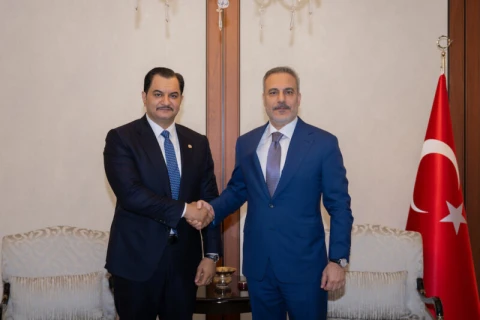
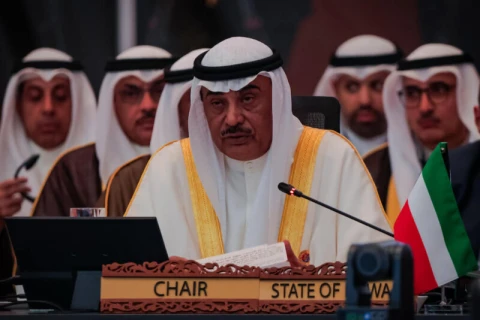
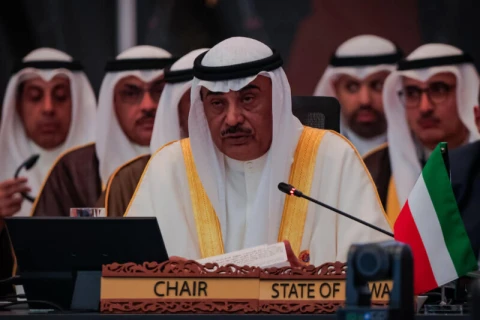
Through its recent diplomatic contacts and initiatives with Qatar, Türkiye aims to establish similar relationships with Kuwait and Oman.

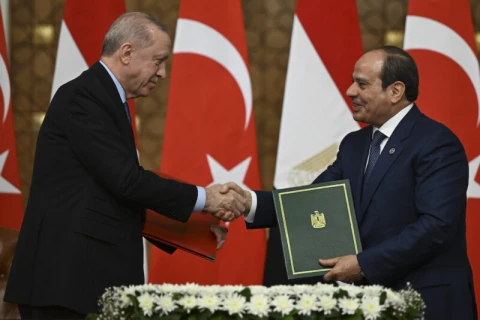
Cooperation between Turkey and Egypt in this area could usher in a new era in regional alliances and lead to the emergence of a deterrent political will against Israel.
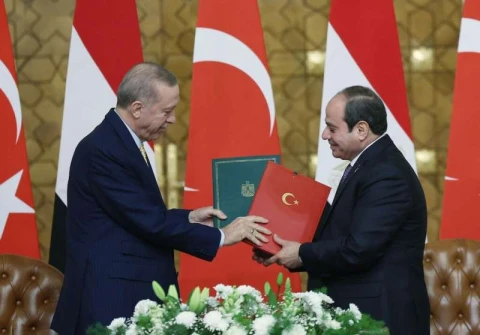
The Turkish-Egyptian rapprochement presents Western powers with challenges and opportunities in migration management, energy distribution, EU positioning in the Eastern Mediterranean, and the US response to reduced presence in the Middle East.
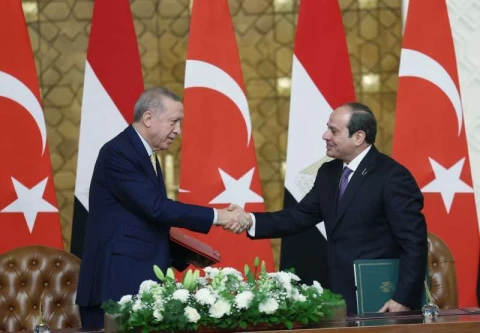
The reconciliation between Turkey and Egypt holds the potential to foster a more prudent and collaborative strategy to navigating the complex dynamics within Libya.