
Why the UAE is Denouncing Israel’s Brutality
Abu Dhabi summoning Israel’s ambassador marks the biggest public rebuke of Israel since the signing of the Abraham Accords in 2020.


Abu Dhabi summoning Israel’s ambassador marks the biggest public rebuke of Israel since the signing of the Abraham Accords in 2020.
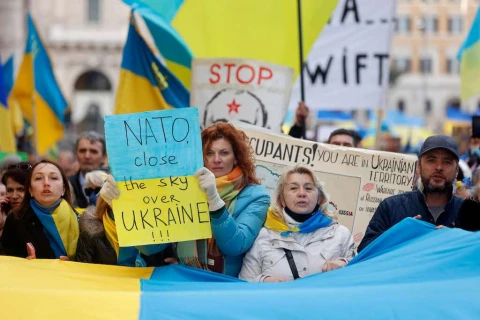
NATO’s Baltic members have long been far more alarmist about the Russian threat than those in Western Europe.
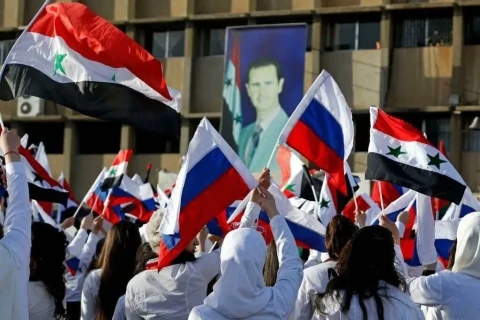
As the war in Ukraine further internationalizes, anti-regime forces in Syria might seize opportunities to re-intensify their insurgency.
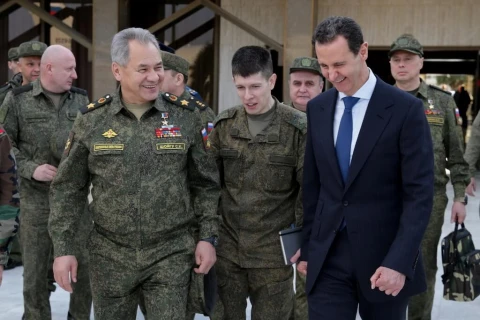
What lessons can NATO countries draw from Moscow’s experiences in Syria when addressing the ongoing Russia-Ukraine war?
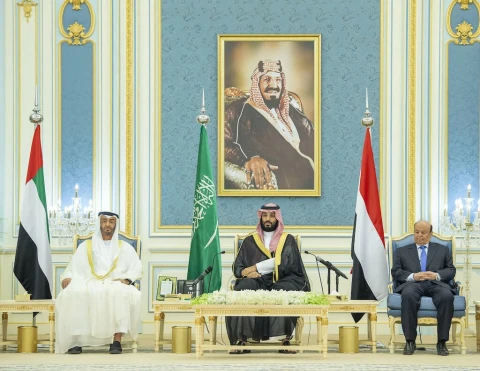
No matter how the dialogue between Saudi Arabia and Iran grows in 2022, Saudi Arabia will continue to see Iran as a threat in the long term.
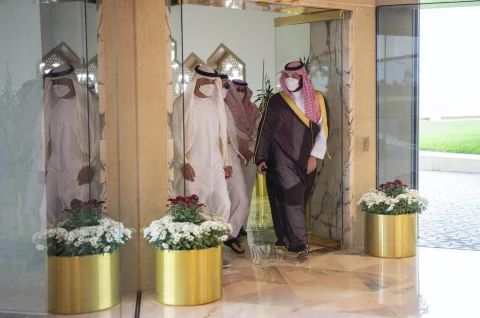
Even if the White House does not see turning Saudi Arabia into a "pariah" as a viable option, more lawmakers in his party seem to think it is not only a viable option but also a strong moral obligation.
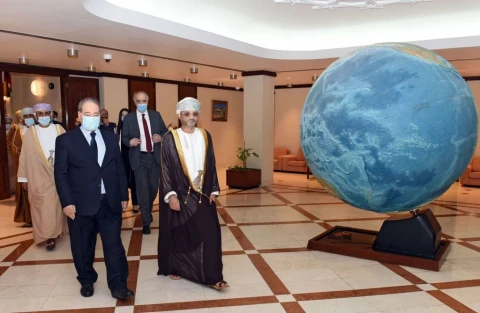
The GCC is still divided on Syria 10 years after the outbreak of the revolution.
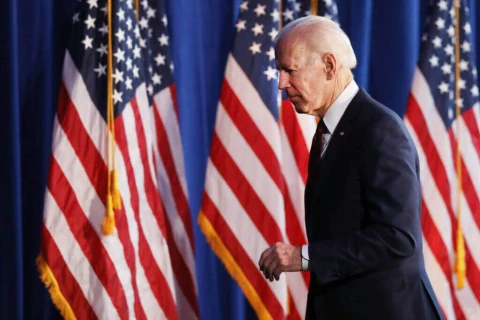
It might be surprising to many, but Iran can influence the U.S. foreign policy in Afghanistan.
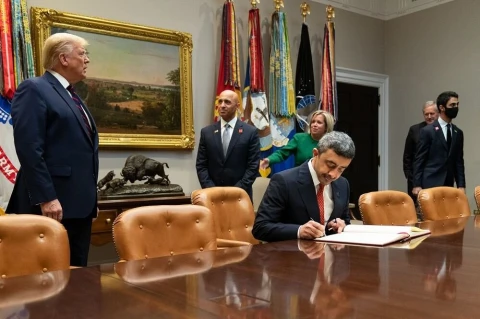
Experts contend that the UAE obtaining these jets, drones, and munitions could have major implications for the Middle East’s balance of power.
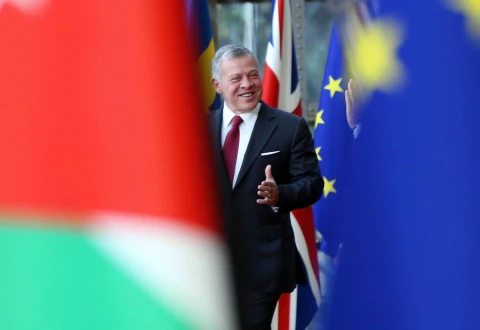
For many years, Amman’s close alliance with Washington has heavily concealed many of the Hashemite Kingdom’s internal problems. Yet against the backdrop of declining U.S. influence in the Middle East as the world grows increasingly multipolar and the leadership in Amman finds Trump’s foreign policy too incohesive, aggressively pro-Israel, and transactional, Jordan is beginning to view its foreign policy strategies differently.