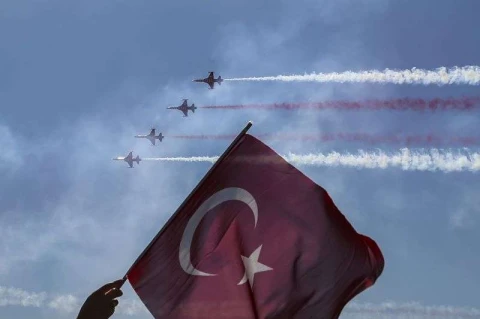
Turkey’s Linchpin of the Future: The National Technology Move
Turkey must depend on its own technological capabilities while China and the United States continuously compete in the new multipolar world order.

Turkey must depend on its own technological capabilities while China and the United States continuously compete in the new multipolar world order.
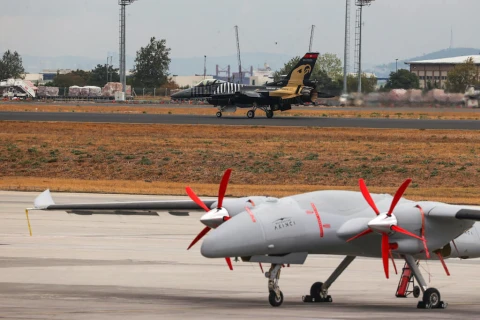
Akinci epitomizes Turkey’s ambitions of becoming a drone power through indigenous development of advanced technologies and the possession of highly capable systems and platforms.
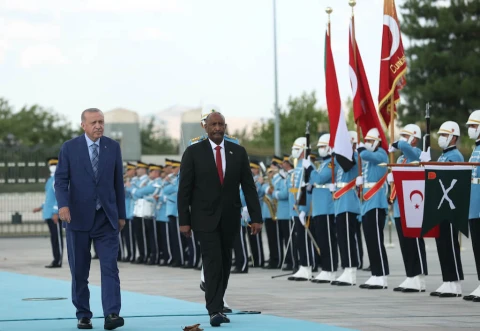
The deepening of bilateral ties will provide many strategic benefits to both Turkey and Sudan. Right now, Turkey is standing by the Sudanese transition government.
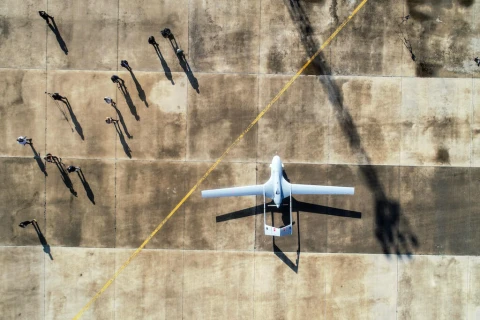
Several Middle Eastern and African countries such as Saudi Arabia, Somalia, and Egypt expressed interest in purchasing the Turkish UAVs.
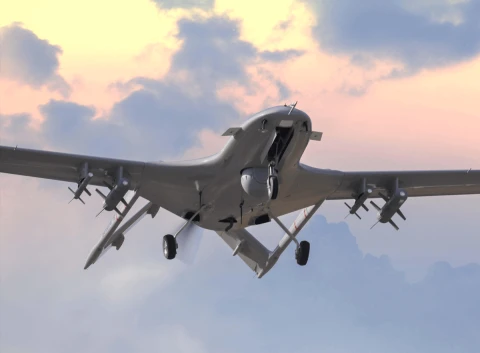
The genie is out of the bottle as the technology to manufacture UCAVs spreads globally, signaling the dawn of drone warfare revolution that has arrived.
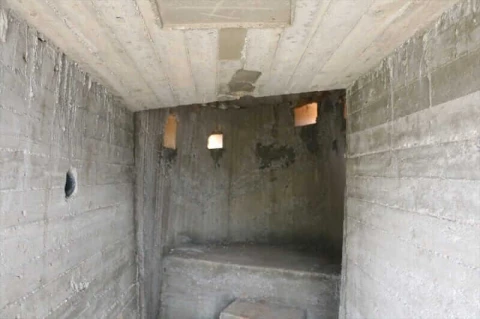
As part of their defense strategy, the YPG/PKK had started digging ditches, building tunnels, making barricades, and planting bombs much earlier. It is commented that the ditches and tunnels in Afrin seem professional and this evokes the question if YPG received a foreign support or training to build them.
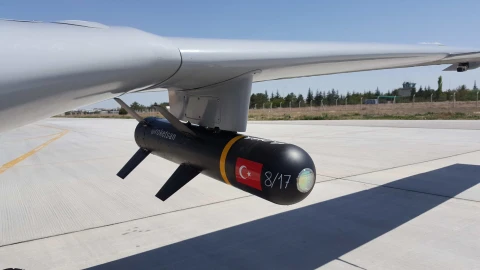
While we were testing Bayraktar Mini ten years ago in southeastern Turkey, military officers told us: “No one interacted with us like you did.” However, engineers must cooperate with the military as they need to see and feel the military's necessities.

The current border security of Turkey is functional and adequate, but needs to be improved by, first, an efficient management system that coordinates the involved institutions of four ministries. Secondly, high-tech products rather than human-based solutions, mainly intelligence capabilities, appear to be an urgent field requirement to detect border threats before they are too close to combat.
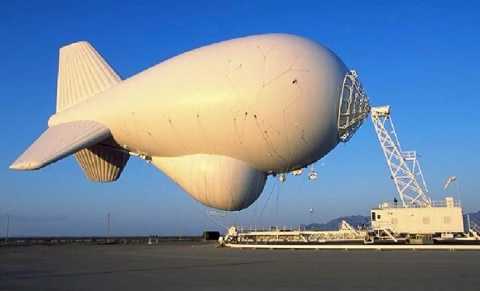
The indigenously developed surveillance balloons by ASELSAN-OTONOM, and to some extent TURKSAT, seem appropriate for the operational needs of the Turkish Army in comparison to the ones of outer market. They are mobile, small and simple systems to conduct surveillance and reconnaissance tasks in potential combat zones.

The Turkish Army’s bitter experiences, such as the PKK’s recent attack near the Çığlı military zone, highlights the unanticipated consequences of shortfalls and limitations in countermeasure abilities against MANPADS, and draws attention to the need to strengthen capabilities for detecting, locating, identifying, and defeating targets through UAVs.