
Why Greenland and Venezuela Are Really about AI
Venezuela appears to be a classic oil story. However, this is not just about fossil fuels in the traditional sense of energy security. AI is changing the energy equation dramatically.

Venezuela appears to be a classic oil story. However, this is not just about fossil fuels in the traditional sense of energy security. AI is changing the energy equation dramatically.
Rather than seeking universal technological governance, the US National Security Strategy aims to ensure that U.S. systems remain the preferred choice.
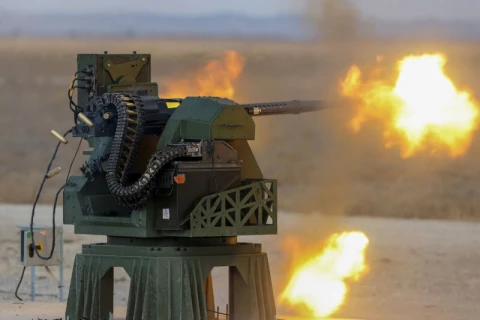
The 2026 Presidential Annual Program represents a pivotal moment in Türkiye's national technology policy.
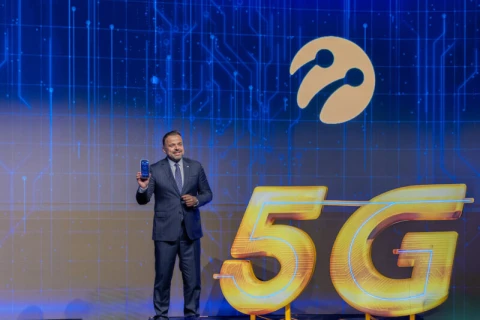
Türkiye's 5G strategy is inseparable from its long-term ambitions: strengthening national sovereignty, enhancing competitiveness, and securing a place among the architects — not merely users — of the future digital order.
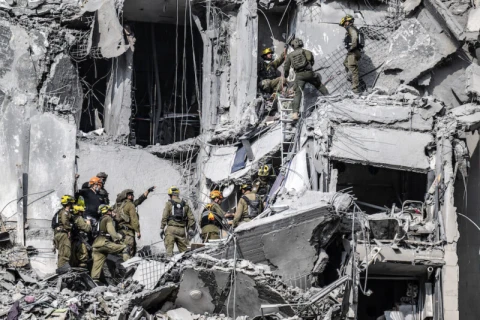
Iran's BeiDou integration and its use of cyber warfare and drones for deterrence serve as an example that reinforces the legitimacy of Beijing's asymmetric defense strategy.

This year will be a time of technological innovation, but also a time of reflection and adaptation as we navigate the expanding footprint of AI on our world.
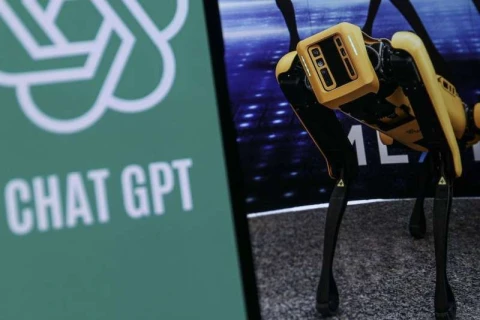
The contrasting perspectives of the EU and the US on AI and its regulation will likely lead to a subtle competition between these actors in establishing AI standards and regulations.
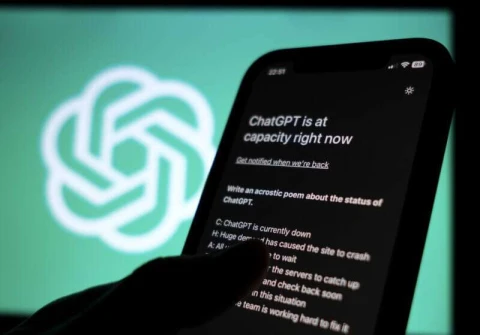
ChatGPT is just the tip of the iceberg when it comes to the capabilities and applications of generative AI.

The question is not whether a state will have to choose between Western or Chinese norms, but to whom it is willing to give up its digital sovereignty.
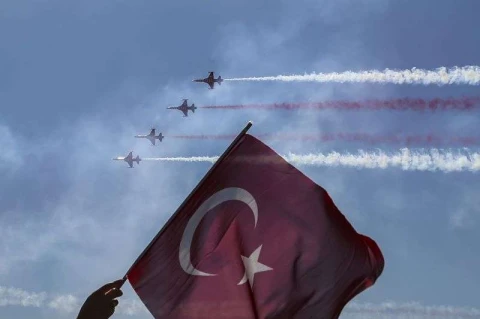
Turkey must depend on its own technological capabilities while China and the United States continuously compete in the new multipolar world order.

The US sanctions will further push China to focus on developing its own semiconductors—this may take time, but it is not impossible.

Small satellites are a game changer not only for the space race but also for military operations.