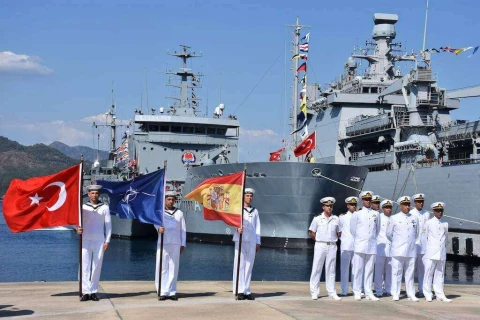
The New Politics of Alliance: Allies, Proxies, and Adversaries Have Become Hard to Tell Apart
The vital question then is, "Who is whose enemy and who is whose friend?"

The vital question then is, "Who is whose enemy and who is whose friend?"
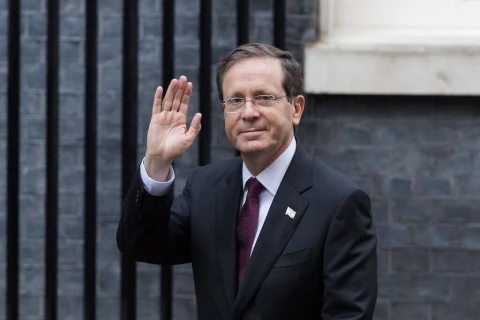
The transfer of Israeli natural gas to Europe via Turkey could be the backbone of a solid partnership.
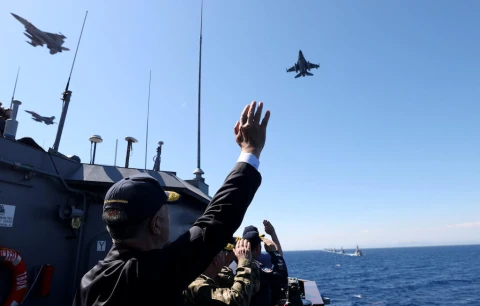
The US abandoning of the EastMed Project may pave the way to negotiation and even collaboration in the Eastern Mediterranean.
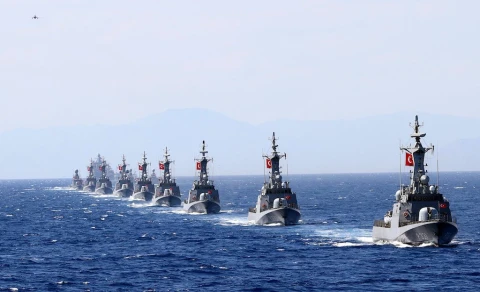
In the last three years, one of Turkey’s most important advantages has been its natural gas exploration in the Eastern Mediterranean.
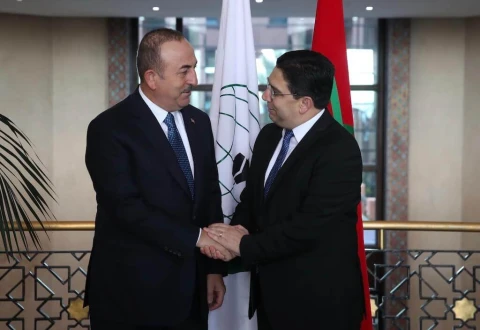
The Moroccan-Turkish relations will be determined by the future of the Libyan conflict, Turkey’s relations with Morocco’s neighboring countries, and the development of trade and economic relations.
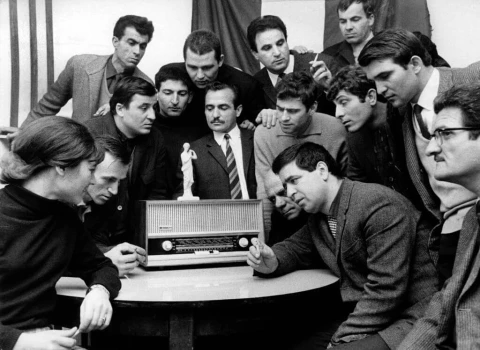
Today, sixty years on, individuals with Turkish roots form one of the largest minority groups in EU countries. Politics Today interviewed six motivated, educated young adults from five different countries who all share a migrant background.
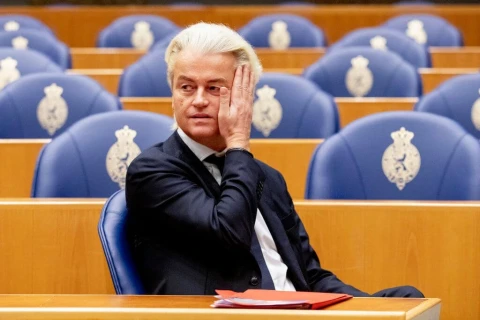
On the evening of the Netherland's NCTV report was leaked to the media, Geert Wilders published a cartoon on Twitter insulting Turkey's President Erdogan.
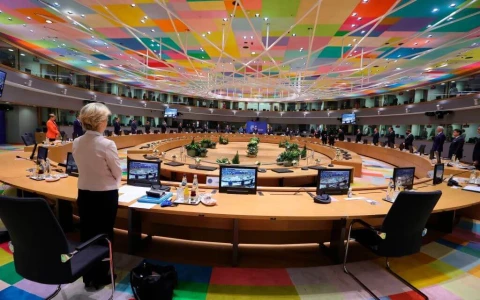
The EU is divided over sanctioning Turkey, with countries such as Italy, Germany, Poland, Spain, Portugal, and Malta standing against severe sanctions proposed by Greece and France.
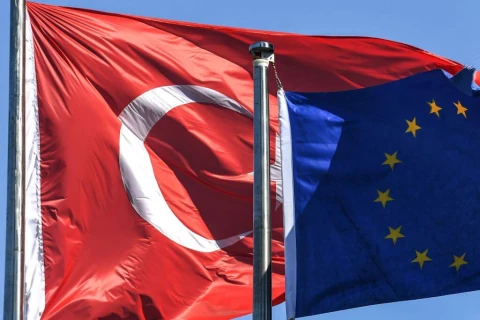
Between Turkey and Europe remains a communication gap and a mutual frustration merely undermining any dialogue for a constructive approach. The impasse seems destined to continue and to become a real paradox.
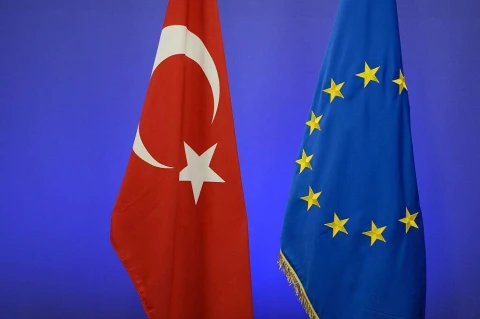
The European journey turned out to be an anathema for Turkey that paradoxically is set to stand on the door for a little while longer. In the deadlock negotiation, a new element affects the relations: the rising European far-right that most probably would harm any further enlargement towards Ankara.
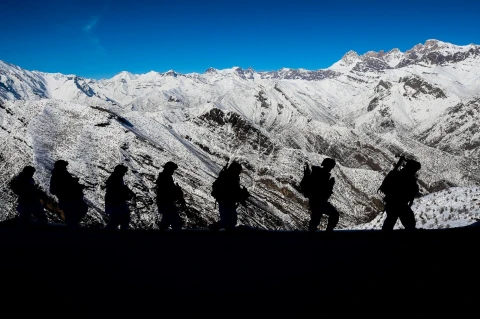
What Turkey needs to do in the post-local election period is to redraw its foreign policy priorities from a very pragmatic and practical way, refocus its reformist agenda in foreign policy, and obtain a balanced strategy.
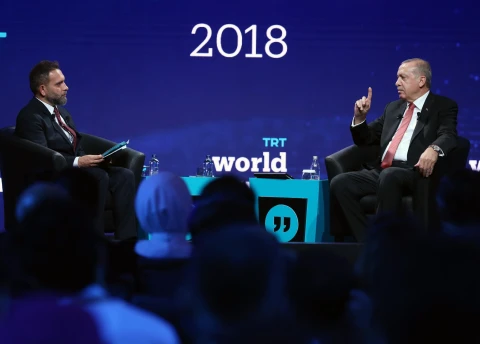
Turkey's President Recep Tayyip Erdogan spoke at the TRT World Forum, touching upon issues such as reforming the UN, the Syrian Civil War, and Turkey's bid to enter the European Union.
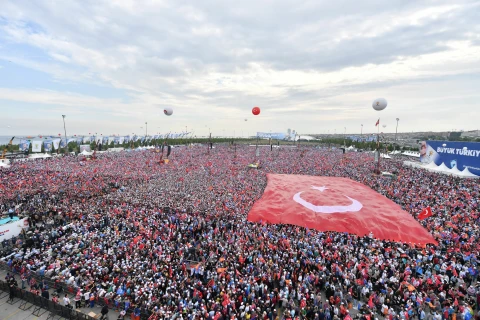
Parties that adopted traditional nationalist discourse lost the elections. One of the biggest losers of the elections was the CHP and one of the main promises of this party was to repel Syrian refugees in the event of winning the elections. This shows that Turkish society does not reward exclusionary nationalism.
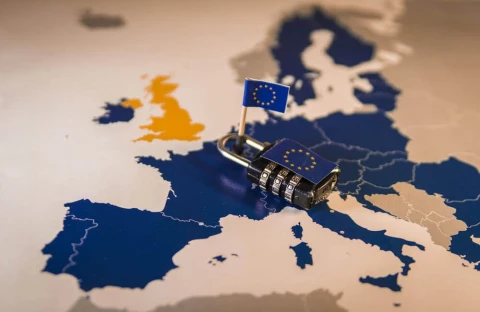
The proposal made by Turkey and the criteria put forward by Brussels will be discussed at the next EU-Turkey summit in Varna, Bulgaria on March 26, 2018.
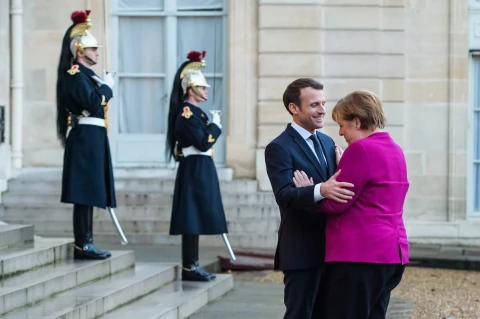
Not only Brexit but the rise of populist movements almost everywhere paired with very vocal desires to have more say at home instead of furthering what is often perceived as an EU super state in the making may have Brussels perhaps think twice.
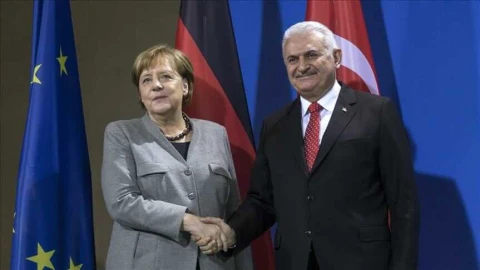
Speaking at a joint news conference with Merkel in Berlin, Yildirim called for an intensified dialogue and stronger solidarity in the fight against terrorism.
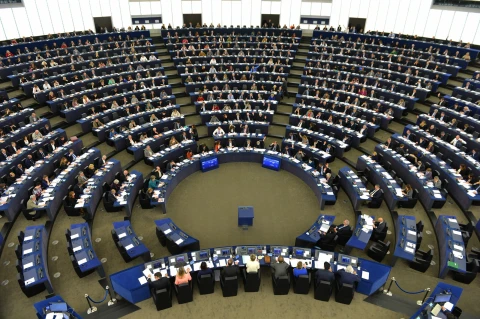
Hesitant behavior displayed by European countries with regard to the terror groups that target Turkey illustrates the fact that they can still take sides against Ankara and side with the YPG and the PKK during the Afrin operation.
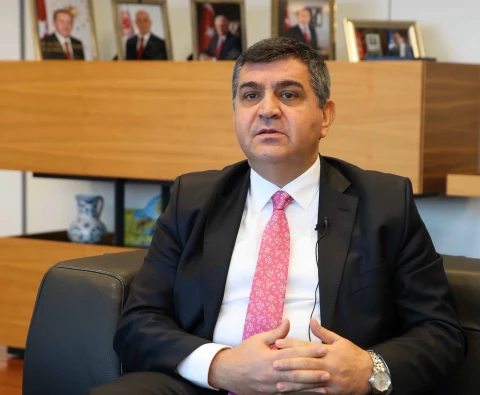
Turkey’s permanent representative to the European Union, Faruk Kaymakci, who stated that in an attempt to gain momentum in relations, “A summit between the EU and Turkey in June ahead of the EU summit is under consideration. There are expectations in this direction.”