What’s Next for Karabakh?
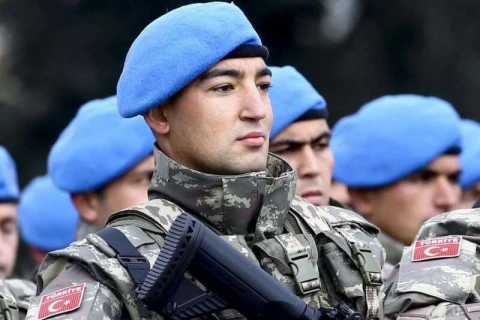
Since 1992, Azerbaijan, with the motto "Karabakh is Azerbaijan!", has been determined to connect Karabakh to its homeland, first through diplomacy and then through military means.

Since 1992, Azerbaijan, with the motto "Karabakh is Azerbaijan!", has been determined to connect Karabakh to its homeland, first through diplomacy and then through military means.
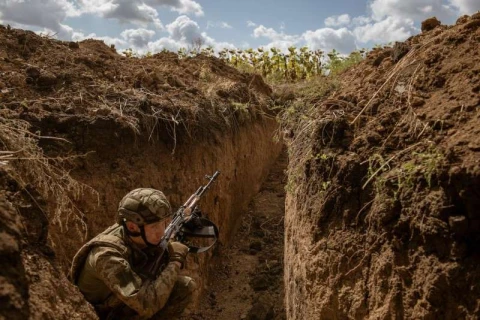
Due to its limited capabilities, Ukraine is engaging in asymmetrical attacks.
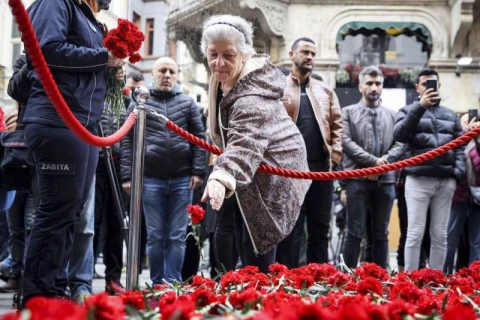
Al-Bashir is of Afro-Arab Syrian origin, and her involvement in a terror attack was intended to provoke the Turkish public.

New foreign policy is no longer only about representing the head of state abroad, but involves a whole array of complementary functions.
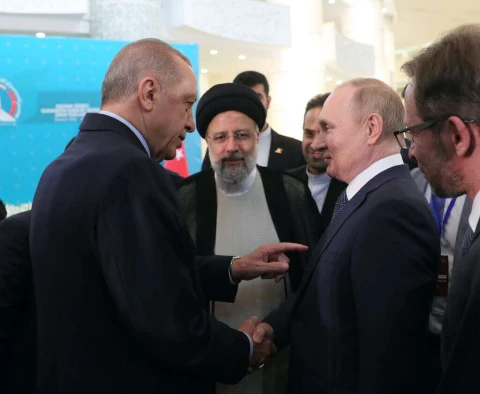
Ultimately, the Astana Process reflects the nature of politics today.
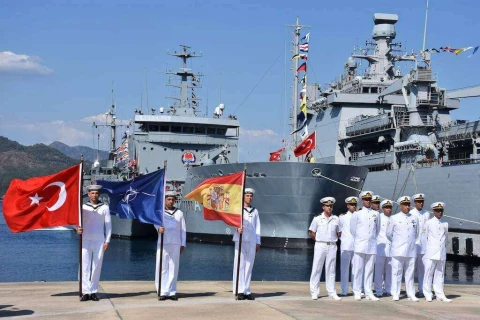
The vital question then is, "Who is whose enemy and who is whose friend?"
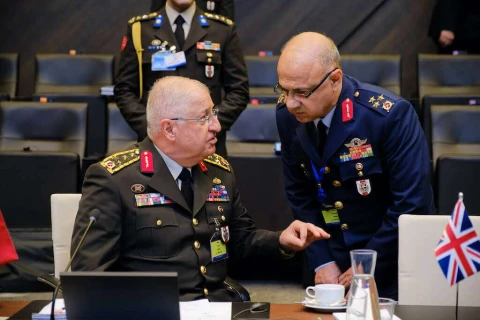
A reason for the Turkish reservations about Sweden’s and Finland’s membership is the arms embargo on the Turkish defense industry.
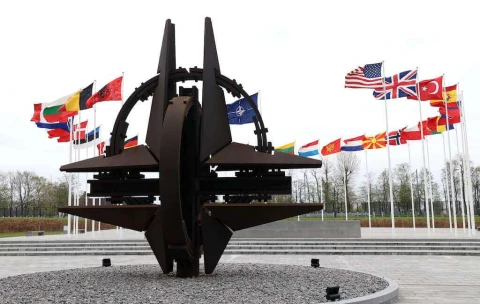
NATO needs a clear strategy to project the new normalcy.

Russia knows that its conventional military inventory is aged and cannot win a full-scale traditional war despite its numeric superiority.
The question is whether we should tune in to the original settings of international politics or keep up with the complex transformation by concise and precise engagements.
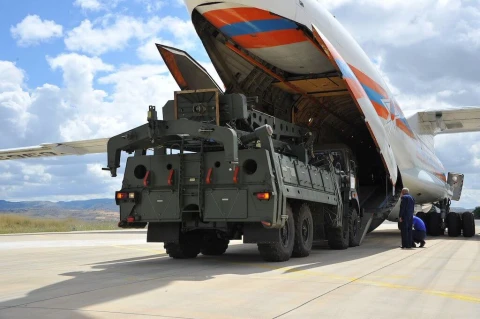
A low profile, indirect but sustainable conflict model between the US and Turkey can be the modus operandi of the coming administration. Both countries can still talk, however, prejudices and third parties prevent this to happen.