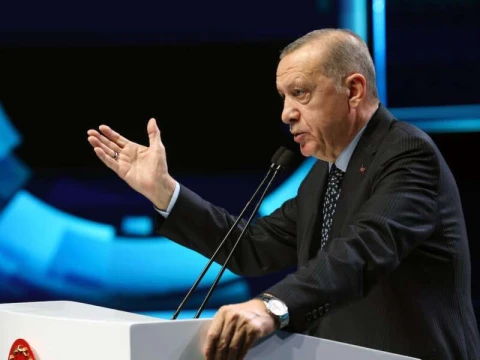
How Realistic Is It to Go Retro in Turkey-Syria Relations?
Compelling factors and actors push Turkey and Syria into a rapprochement course, but the facts on the ground may impede it.

Compelling factors and actors push Turkey and Syria into a rapprochement course, but the facts on the ground may impede it.
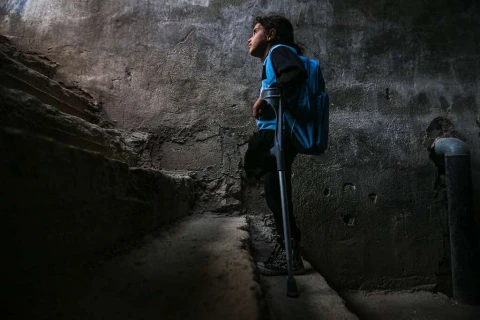
As northern Syria becomes safer, Syrian refugees voluntarily returning to their homes become more likely.

"The western media portray all Kurds supporting the PYD. But Kurds are diverse. There are different parties, independent politicians, leftists, religious conservatives, etc."
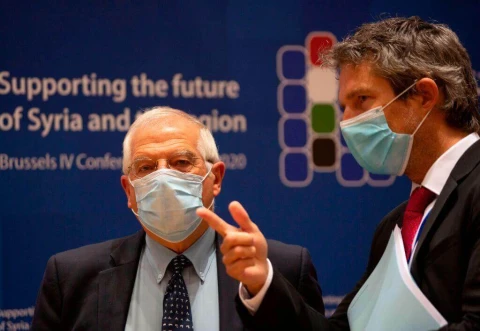
Greece and Cyprus have taken a pro Assad stance to disturb Turkey, which has expanded its geopolitical prowess not only in Syria but across the region.
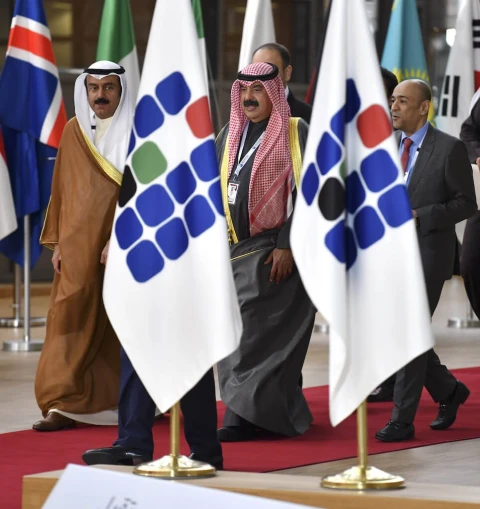
Time will show whether a second "Damascus Declaration” will be pursued as the Gulf countries come closer to Damascus and drift apart from Turkey.

There is good news. Mercenaries are as old as war, yet the world did not devolve into anarchy, as is often portrayed by critics of private force. In fact, they can even do good, if hired to do so.
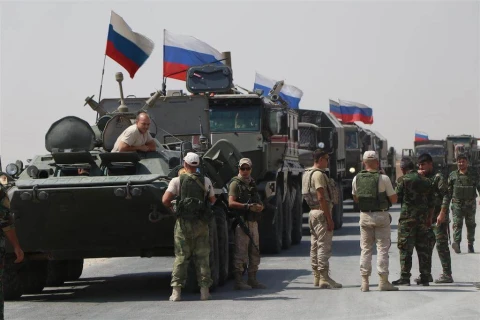
Russia's successful “comeback” in the Middle East started with the Syrian Civil War, through selling weapons and expanding its influence.
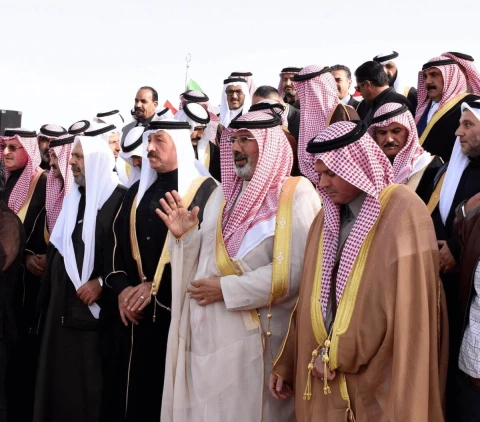
If Arab tribes in Syria are united under a single platform and given the chance to open diplomatic channels, a peaceful solution could be closer to reality than many think.
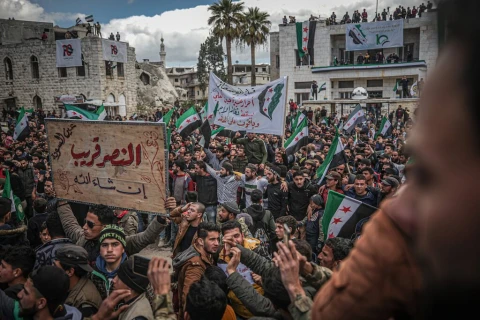
What is the future for Syria today?
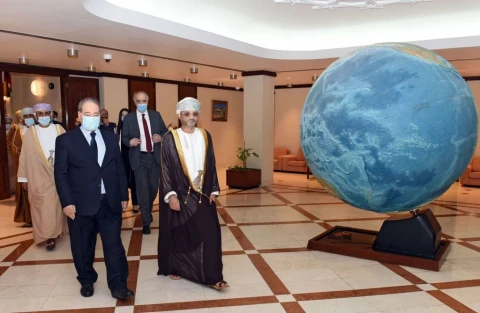
The GCC is still divided on Syria 10 years after the outbreak of the revolution.
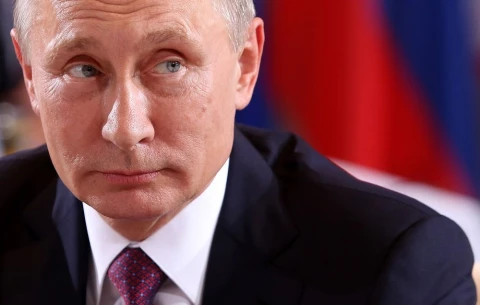
Russia has expanded its range and scope of influence substantially under the rule of Vladimir Putin in the last two decades. Now, Russia intends to continue its unchecked and unbalanced expansion with further costs to the whole world in the years to come.
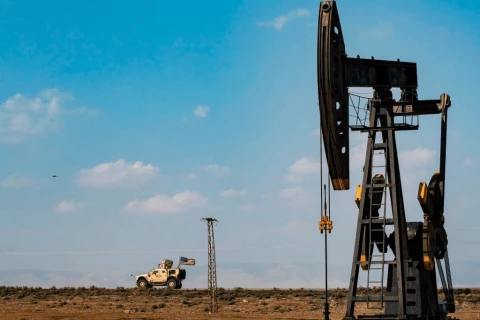
Despite President Donald Trump repeatedly saying that US troops are staying in Syria in order to 'secure the oil', data indicates that Syria has no remarkable oil reserves. So why are the Northern Syrian oil fields so important to Trump?
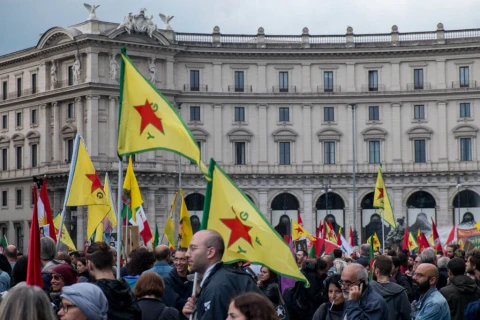
Turkey’s recent military operation against the YPG in northeast Syria brought to the surface all of the unresolved issues and tensions existing between Turkey and the European Union.
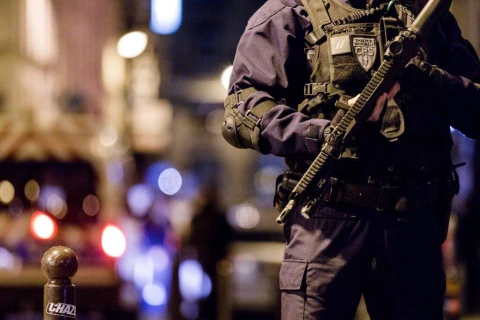
Taking those foreign terrorist fighters back is the legal obligation of their home countries, but most know that their laws are incapable of declaring a proper sentence against them.
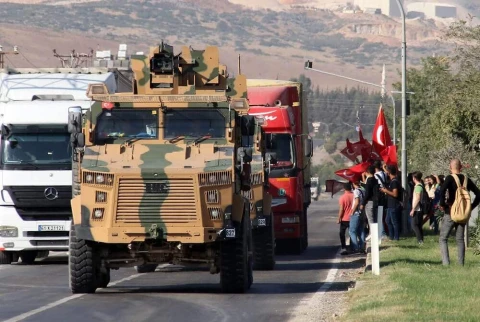
Calling it an invasion falls short of explaining the conditions that brought Turkey to this threshold. Indeed, the latest operation of Turkey is a matter of self-defense.
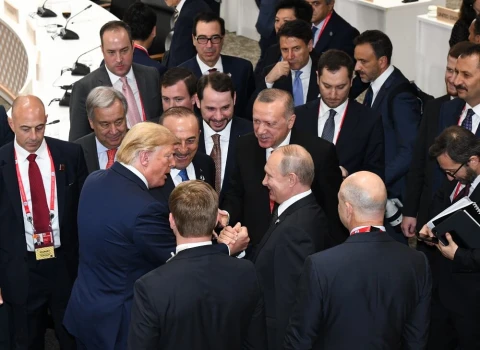
Turkey’s growing relations with Russia and the US will offer new opportunities for the de-escalation of the Syrian conflict.
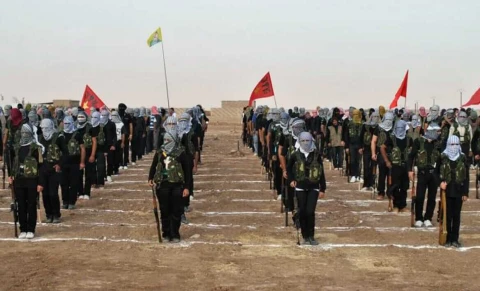
How can a terrorist organization such as the PKK, which is regarded as a prohibited terrorist organization both in Europe and the U.S. enjoy comfortable support by Western powers?
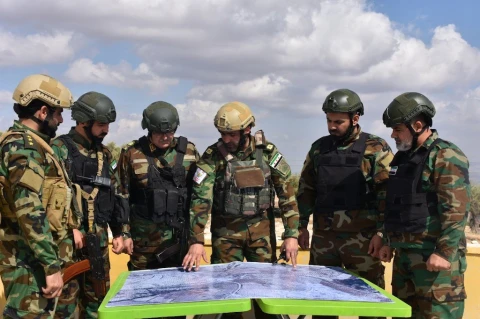
The joint Syrian-Turkish operation aims initially to liberate Arab areas from the YPG. This clearly contradicts with the critics who state that the main goal of the operation is demographic engineering.