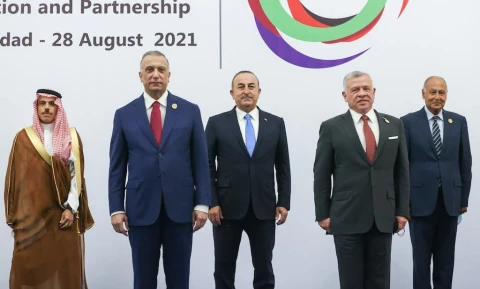
Al-Kadhimi’s Dashing Hopes: Regional Security Conference Held in Baghdad
The modest diplomatic gains which al-Kadhimi has achieved stand at odds with numerous insurmountable political and economic challenges he faces at home.

The modest diplomatic gains which al-Kadhimi has achieved stand at odds with numerous insurmountable political and economic challenges he faces at home.
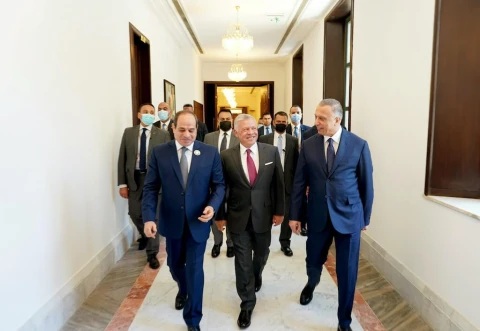
Since a vicious circle of conflict, unrest, and hunger is about to unfold in the Arab world, an Egyptian-Jordanian-Iraqi alliance may serve as a leverage in Middle East politics.

Israel might have the power now to suppress the Palestinians, shoot them in the eye, fabricate false claims about Sheikh Jarrah neighborhood but its intellectuals, unlike its politicians, know well that Israel can’t sustain the system of apartheid for long.

It is highly doubtful that these states will be able to make anything substantial work.
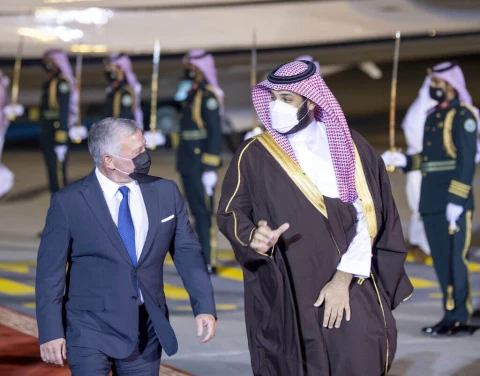
If Jordan’s political, economic, and social conditions were in a better state, there would be minimal chances of such an internal rift or foreign involvement.
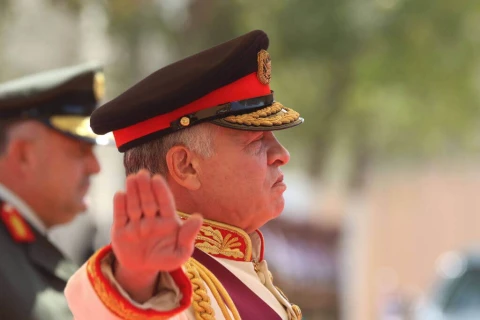
The “Deal of the Century” puts the most pressure on Jordan and in turn this phenomenon is changing the Islamist space in the country which is also impacts Amman’s outlook towards Turkey and Qatar.
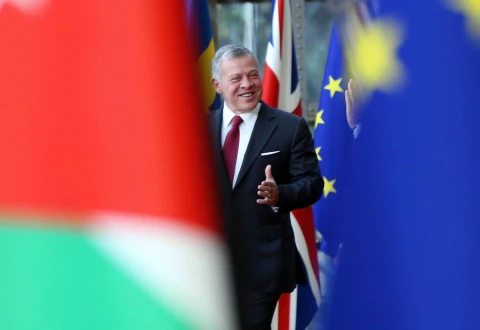
For many years, Amman’s close alliance with Washington has heavily concealed many of the Hashemite Kingdom’s internal problems. Yet against the backdrop of declining U.S. influence in the Middle East as the world grows increasingly multipolar and the leadership in Amman finds Trump’s foreign policy too incohesive, aggressively pro-Israel, and transactional, Jordan is beginning to view its foreign policy strategies differently.
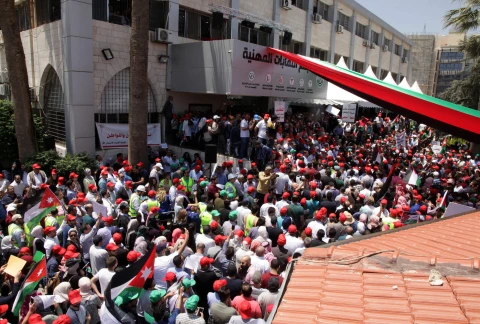
It can be predicted that Jordan will have to face more serious challenges in the coming period. Its economic problems will continue to exist as the country needs external support, the new political setting in the region will put more pressure on King Abdullah’s regime. As the region will focus more on the Palestinian issue, it will also bring Jordan on the spotlight in regional politics.
It seems there are some coincidences which suggest hope lies in the future for Turkey and the people of the region. Recognizing that Turkey’s power lies in its history — when the country was at the center of an empire — Turkey is opening itself to the partners who share the same history. The Turkish government’s reification of Muslim identity, rather than ethnic, has both spatial and temporal significance.