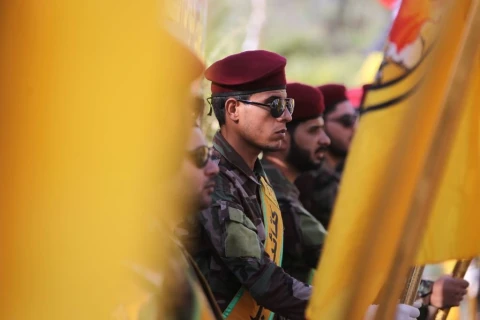
Iran Outsources War and Rules States by Proxy
Iran’s proxies are not only active in the “Shia Crescent” stretching from Iran to the Mediterranean Sea, but they also have a presence on the Red Sea and the Gulf of Aden.


Iran’s proxies are not only active in the “Shia Crescent” stretching from Iran to the Mediterranean Sea, but they also have a presence on the Red Sea and the Gulf of Aden.
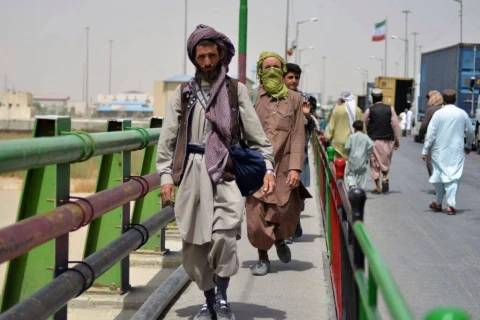
The Taliban will now be wary of Iranian subterfuge and will crackdown vigorously against any plot against them, perhaps forming a flashpoint for future conflict between the neighbouring countries.
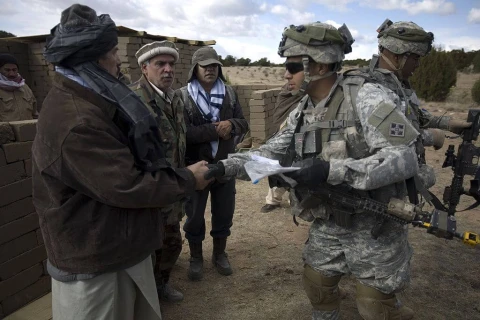
Across Afghanistan, Iraq, and Syria, the U.S. Department of Defense has confirmed that, as at the fourth fiscal quarter of 2020, it had engaged the services of 27,388 contractors in these three theatres.
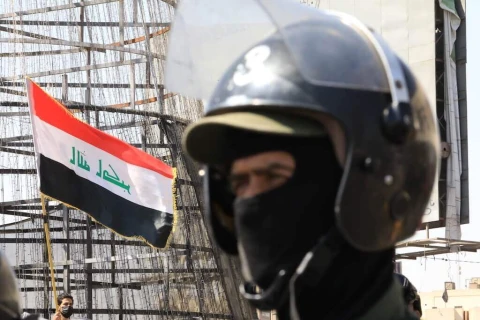
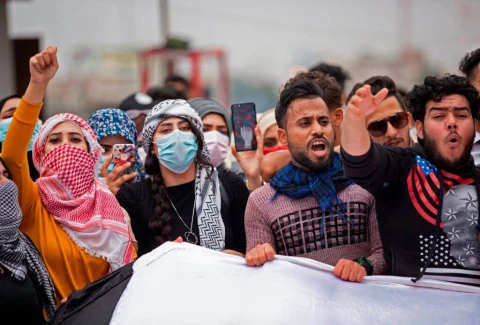
There is now a new kind of Iraqi nationalism forming that is largely based on opposition to corruption engendered by malignant Iranian interference.

It is highly doubtful that these states will be able to make anything substantial work.
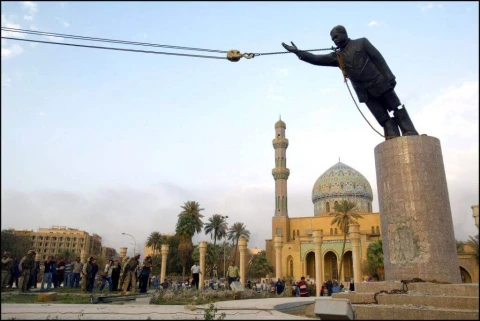
So why are Iraqi politicians so afraid of what a dead dictator’s daughter might have to say?
It was not simply the case that Saddam had to go, but the very concept of a sovereign Iraq had to be dismantled and destroyed, never to rise and stand on its own feet again.