The Dilemma at Hormuz and the GCC: Repercussions and Solutions
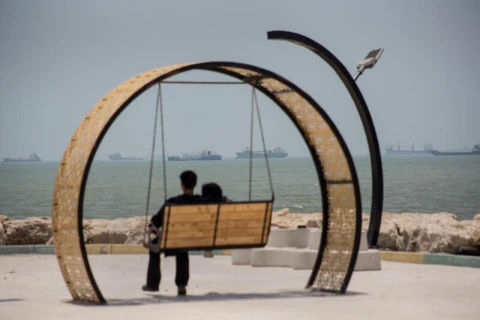
Approximately 20% of global trade passes through the Strait of Hormuz daily, including roughly 16 million barrels of crude oil.

Approximately 20% of global trade passes through the Strait of Hormuz daily, including roughly 16 million barrels of crude oil.
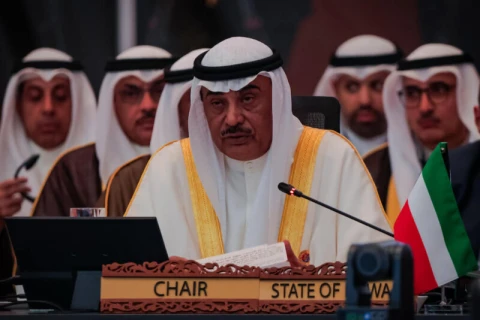
The primary aim behind the establishment of the Istanbul Cooperation Initiative was for NATO to contribute to the security architecture in the Middle East and the Gulf region in an inclusive and collaborative manner.
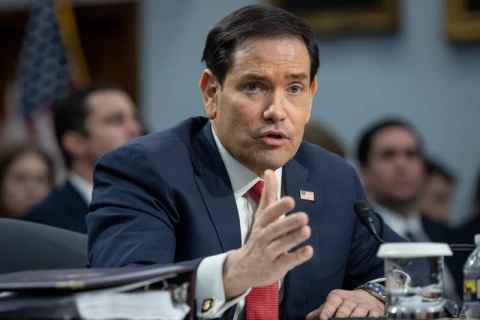
For Gulf countries whose economies depend heavily on energy exports passing through the waterway, the prospect of expanded Iranian influence over maritime security has generated considerable debate.
The Gulf states were disappointed by the failure of the security architecture, which had been based on the assumption that the US would protect them, to withstand this severe test.
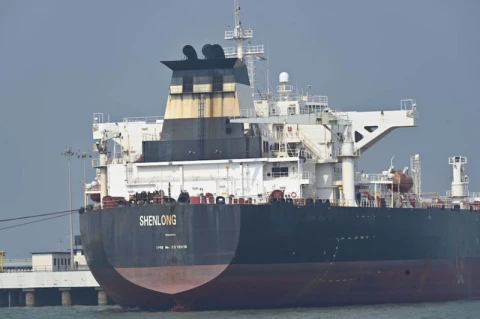
Iran’s parliament speaker, Mohammad Baqer Qalibaf, warned that regional infrastructure could face “irreversible destruction” if Iranian facilities are attacked.
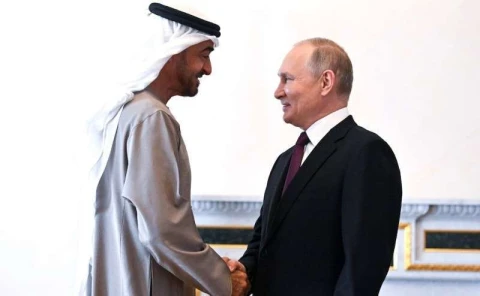
Russia's relations with Saudi Arabia and the UAE are characterized by pragmatism and strategic interests.
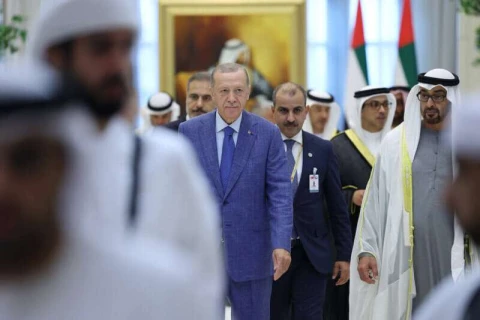
Defense and energy cooperation stand out as the primary pillars of collaboration between Turkey and the Gulf.
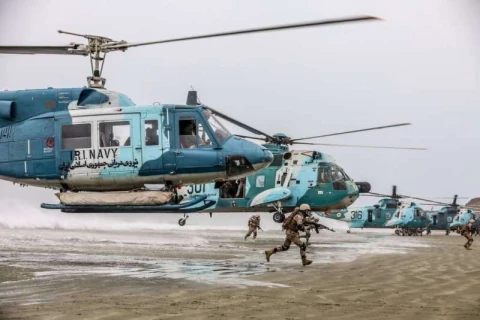
Joint Iranian-Arab naval exercises are indicative of an important geopolitical shift taking place in the Middle East.
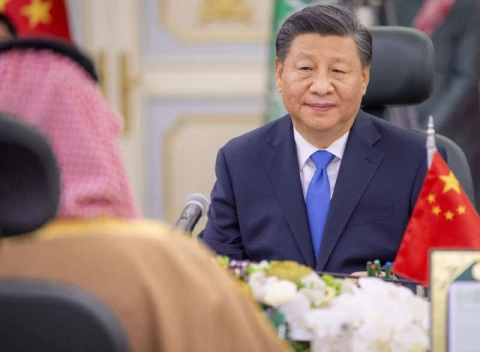
China’s engagement with the Gulf countries will not only continue in the economic field but will expand.
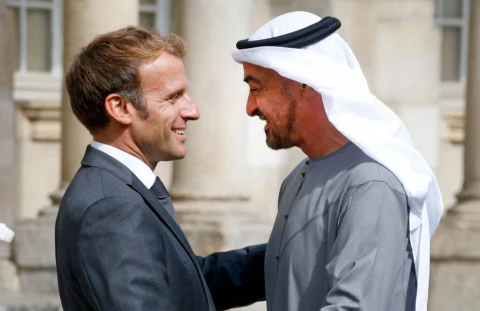
Emmanuel Macron’s visit to the Gulf shows the importance of the "Islam" dimension in French foreign policy.

Gulf states took the least risky path and have turned a total blind eye to the most recent atrocity committed by the PKK against Turkish citizens.
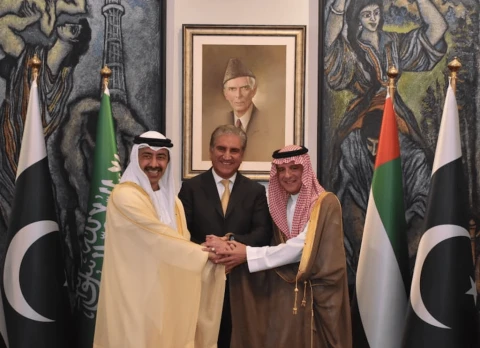
Saudi Arabia and Pakistan are testing each other’s nerves to better position themselves in a new geopolitical scenario created by the structural realities of the changing regional landscape.
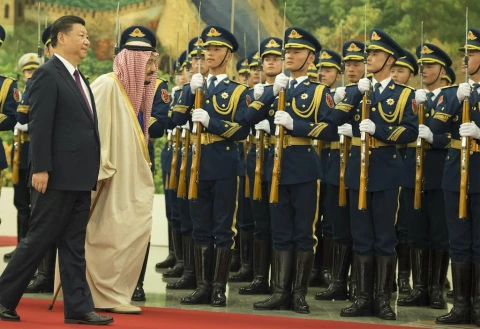
China has no ambition of dislodging the United States from the Arab Peninsula. A cordial relationship with all Members of the GCC is in its best interest.
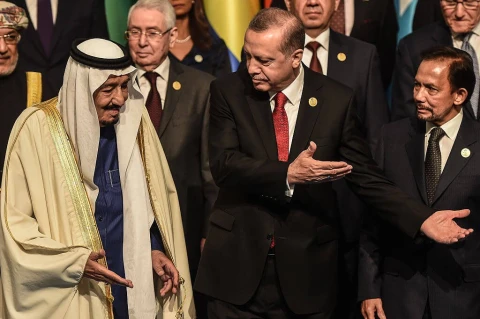
Many factors make the rapprochement between Turkey and Saudi Arabia more likely yet improving the relations between Turkey and the UAE needs more time.
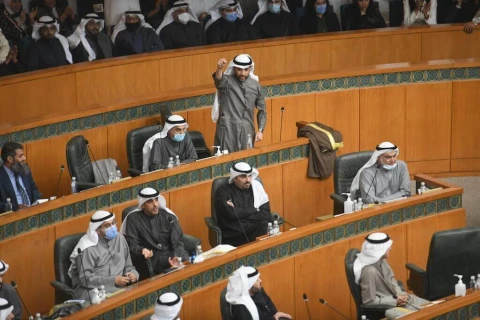
Although Kuwait’s parliament rarely engages in matters of foreign affairs, its role as a check and balance to the executive branch is not to be underestimated.
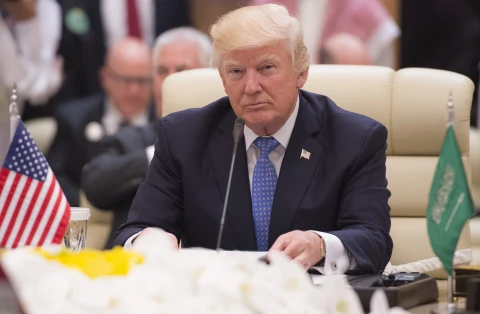
The future of the Trump administration in U.S. politics, the process of political transformation in the region and the deepening of the political divisions between the Gulf countries can be stated as the most important obstacles of the Trump administration's Middle East Strategic Alliance project.