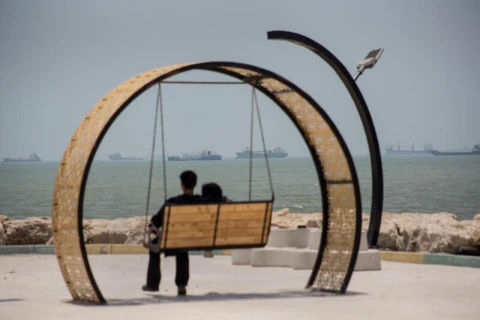
The Dilemma at Hormuz and the GCC: Repercussions and Solutions
Approximately 20% of global trade passes through the Strait of Hormuz daily, including roughly 16 million barrels of crude oil.


Approximately 20% of global trade passes through the Strait of Hormuz daily, including roughly 16 million barrels of crude oil.
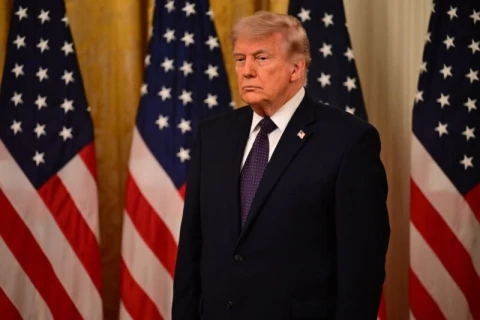
Perhaps one of the most significant factors contributing to US arrogance was the transformation of the post-Cold War world order into a unipolar international system.
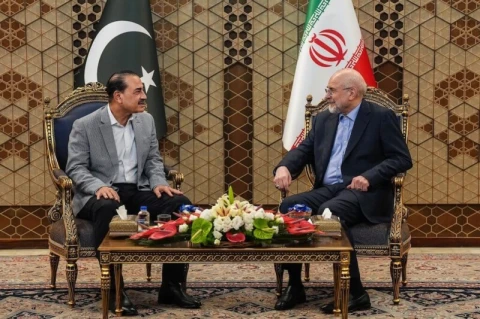
Pakistan's initiative to find a solution to the crisis between the United States and Iran may be viewed through the lens of political, economic, and geographical factors.

In the event of a land invasion, the terrain allows Iran to concentrate its defenses on chokepoints, which would make the mobility of land forces slow, costly, risky, and perhaps impossible.
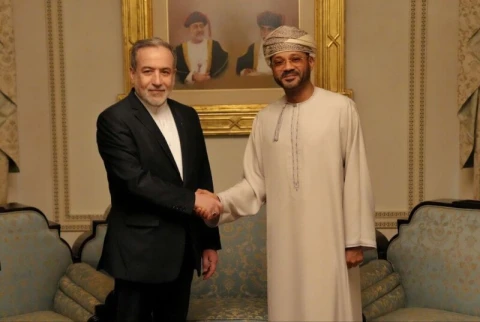
Attacks on Oman have revealed that traditional neutrality no longer guarantees security, and the breach of sovereignty sent an alarming signal to Muscat that a more explicit stance was necessary.