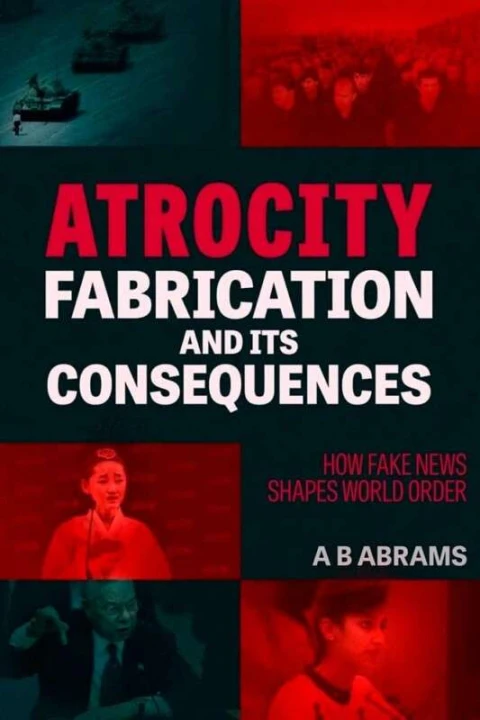
How Fake News Shapes World Order
Abram's book is a revealing account of how perception replaces reality by providing history, context, and analysis for a trend that is here to stay.

Abram's book is a revealing account of how perception replaces reality by providing history, context, and analysis for a trend that is here to stay.
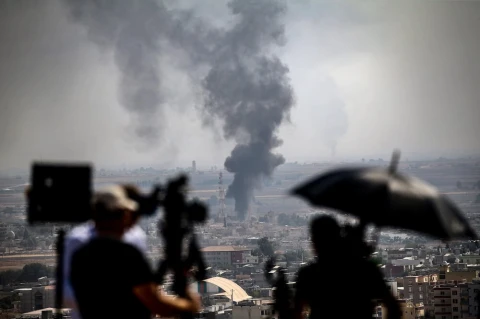
Why do European countries harshly criticize Turkey's Operation Peace Spring in Northern Syria? One of the answers lies in the imagined idea of Rojava.
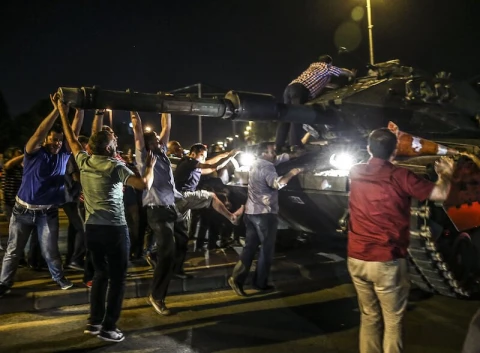
The night of July 15 in Turkey illustrated that the strong relationship between the media and democracy can thwart a coup attempt. Even if Western media outlets continue to ignore the heroism displayed that night.

No harm can come from free communication. But we need to know, who is doing what and why. These +90 and Gulf-sponsored media outlets are targeting Turkish politics but Turkey is strong enough to resist them.
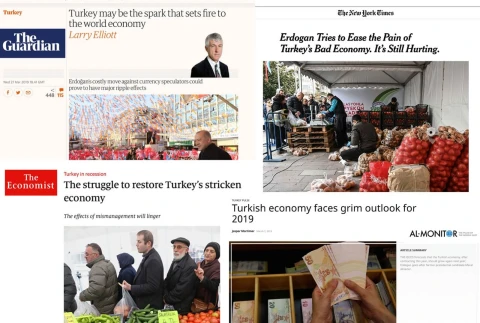
Western journalism in general is at the grasp of incredibly subjective and biased journalism to such an extent that they think that they have the liberty of framing everything as they please, even when the facts show the opposite direction.
The external debt to GDP ratio in the U.K. is an incredible 313 percent. This is only 53 percent in Turkey. So? There are no Western media outlets talking about an “imminent” financial crisis in the U.K. Why? Cherry-picked economic data, for a cherry-picked country, Turkey, for clearly political grounds.
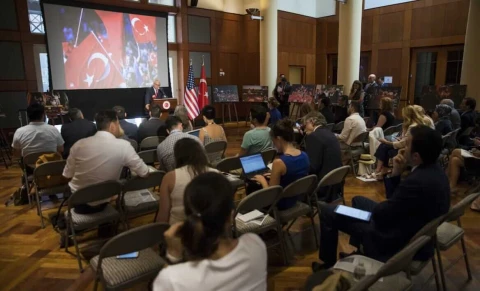
When the international responses to the democracy-suspending coups staged throughout Turkey's political history are considered, the initial silence of the Western democracies in the face of the July 15 attempted coup makes more sense.
Deep prejudice and the absence of objectivity exhibited by the Western media against Turkey are major problems; but Turkey should never give up in the attempt to remind prejudiced media managers of the fundamental principles of journalism and the simple facts and rules of democracy.
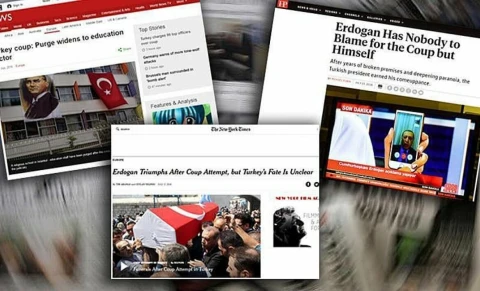
The domestic and international actors, in most cases, had opposite impacts on the events of July 15. While the domestic actors served as a catalyst for defending the unity of the state and the democratic values, the international actors mostly tended to obliterate the reality, especially through their biased media.