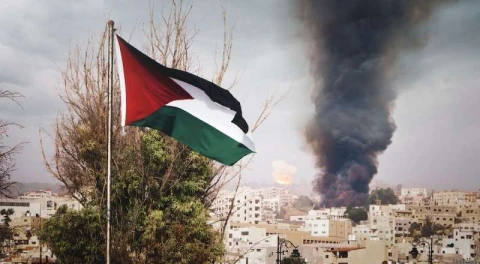
Is a Regional War at the Door in the Middle East?
Western support for Israeli war crimes and human rights abuses will unleash chaos in international politics.


Western support for Israeli war crimes and human rights abuses will unleash chaos in international politics.
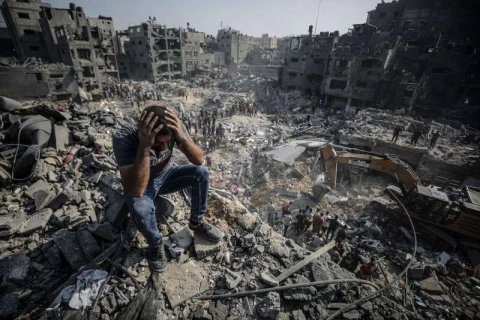
As long as Israel's aggressive policy against the Palestinians continues, neither the Middle East politics can be normalized nor the deadlock in the international system can be resolved.

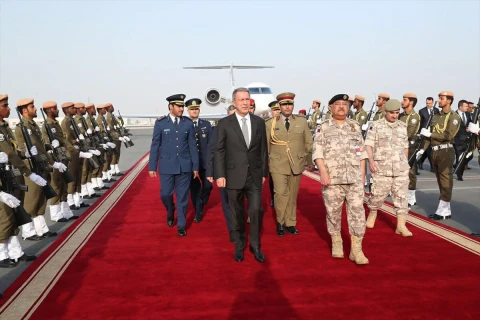
Gulf countries seem to have no strategy for dealing with Iran, and they are short-sighted in not supporting Turkey, even though Turkey is the only country capable of pushing back against Iran in the region.
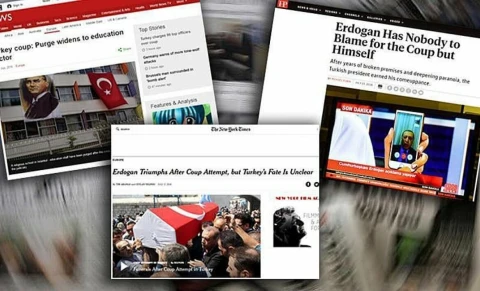
The domestic and international actors, in most cases, had opposite impacts on the events of July 15. While the domestic actors served as a catalyst for defending the unity of the state and the democratic values, the international actors mostly tended to obliterate the reality, especially through their biased media.
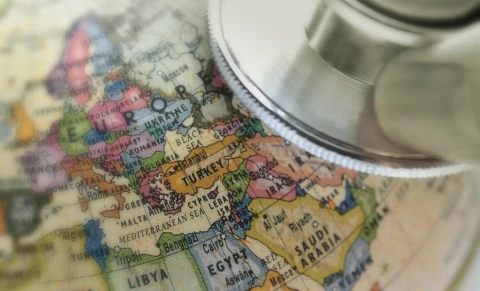
Dividing the region into smaller political units will not bring political stability to the Middle East. The smaller the political units, the more dependent they will be on the global powers; the more interference from foreign powers in regional affairs, the longer the crises will continue.