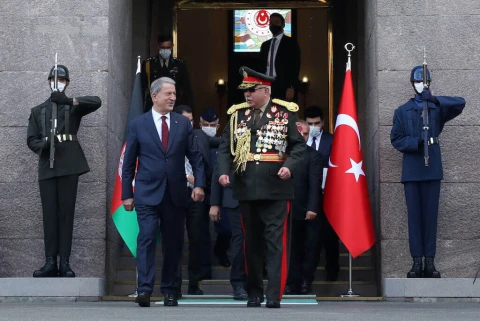
Why Is Turkey Involving Itself in Post-US Afghanistan?
Taliban calls its fight against the US and NATO a jihad, a holy war. But, following the US withdrawal, Turkey’s troops in Afghanistan as a Muslim army put the Taliban in a dilemma.

Taliban calls its fight against the US and NATO a jihad, a holy war. But, following the US withdrawal, Turkey’s troops in Afghanistan as a Muslim army put the Taliban in a dilemma.
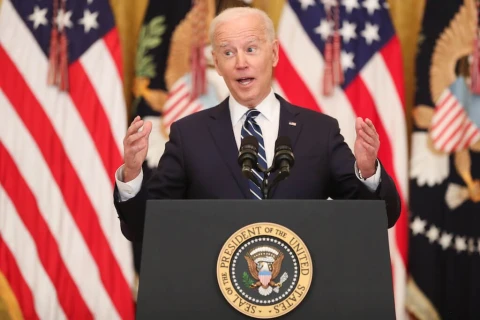
How the Armenian lobby in the U.S. helped push the Biden administration to recognize the events of 1915 in Anatolia as "genocide."
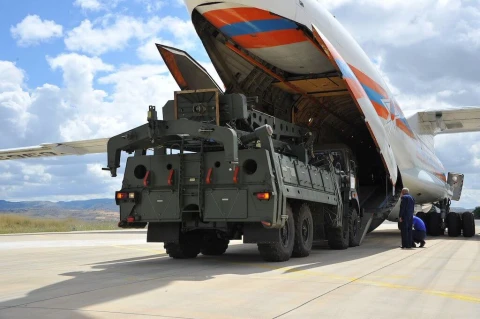
A low profile, indirect but sustainable conflict model between the US and Turkey can be the modus operandi of the coming administration. Both countries can still talk, however, prejudices and third parties prevent this to happen.
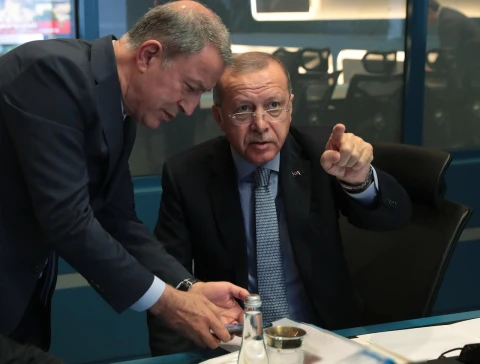
The US has not understood its longtime ally at all. Turkey wants to prevent the establishment of a PKK communist state along its southern borders at all costs.
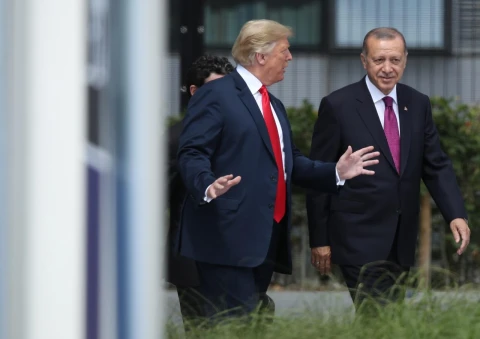
If the U.S. withdraws from Syria under a deal to let the Turks in, it could significantly mend US-Turkey relations; without a deal, Erdogan could still get what he wants but there would be much less political windfall to the alliance.
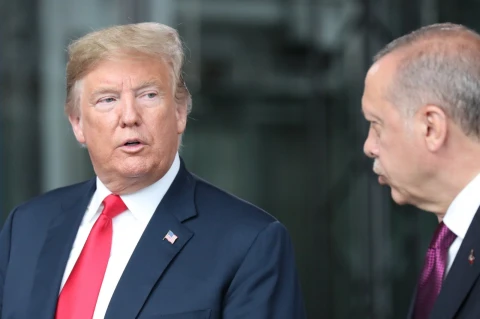
Will President Trump convince Congress to change course? Or, if unsuccessful, will he utilize his power as president to delay or waive sanctions? If the President chooses to risk political controversy on Turkey’s behalf, a greater question remains: how will U.S.-Turkey relations fair as a result?
If anything, the lifting of the arms embargo is no more than a symbolic gesture of solidarity to the Greek Cypriots, as well as a test of their loyalty to U.S. foreign policy. More importantly, however, the bill serves as a message to Turkey, which faces being expelled from participation in the F-35 program by July 31.
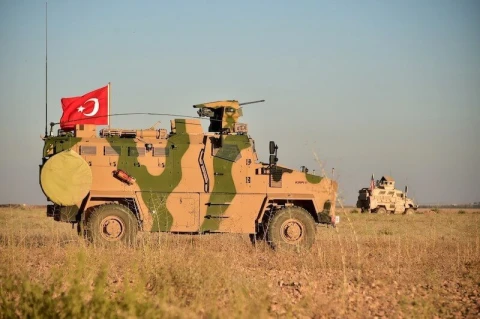
A common understanding between Turkey and the U.S. is the establishment of a safe-zone in northeast Syria. However, both sides cannot agree on the depth and the forces controlling the region.
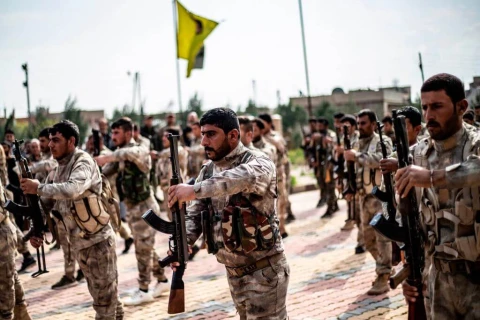
If the U.S. wants to have any real change on the ground in order to step forward for the discussed safe zone, the U.S. should first start by forbidding the entry of the YPG into Tal Abyad. If the U.S. fails to do this, it’s useless to talk about any safe zone.
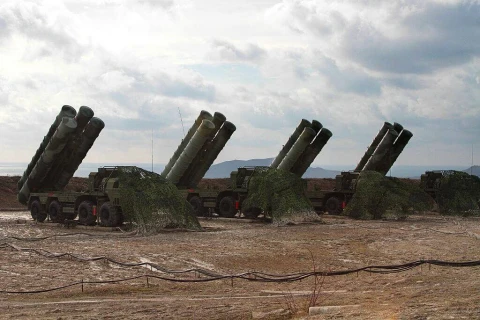
The relationship between President Erdogan and Donald Trump may help find a solution to S-400 row. However, many uncertainties in the region may lead to new other crises between the two.
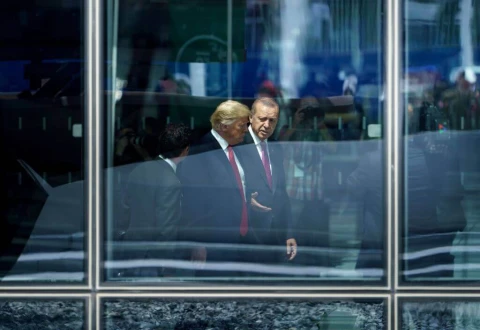
Turkey has traditionally been a strong customer of the U.S. defense industry. However, in recent years, the negative environment in U.S. Congress has prevented Turkey from enjoying a strong defense partnership with the U.S.
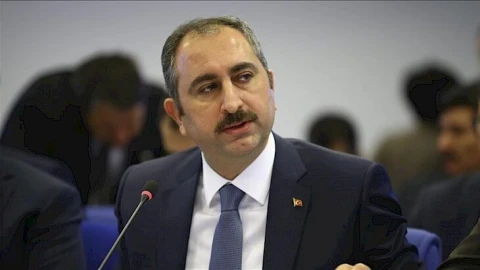
The discrepancy between the judicial systems of the two countries is called to question as Turkey recently released Pastor Brunson after he went through a fair trial, whereas a leader that asks its followers to execute civilians -let alone being put to trial- is living merrily under state protection of the United States. Hopeful of the availing of justice, Justice Minister Abdulhamit concluded: “Our extradition requests are still held in the U.S. Department of Justice. At this point, our expectation is the initiation of a judicial process for extradition as soon as possible”
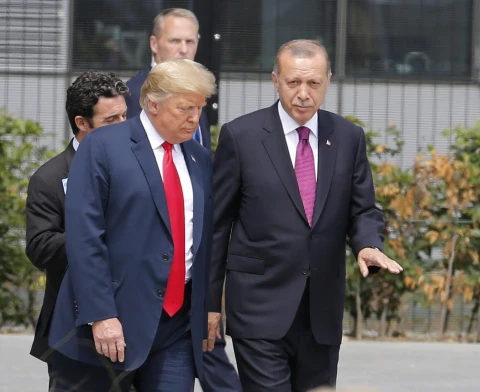
The U.S. and Turkey can and most likely will work through specific policy issues but the current uncertainties can certainly destabilize the relationship once again. Both sides have a strong interest in avoiding such a scenario and deepening the strategic conversation will be ever more important to overcome potential spoilers.
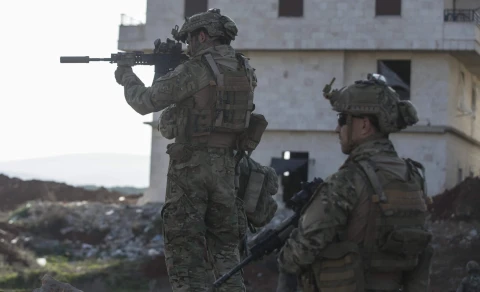
If the U.S. and Turkey can work together in northern Syria, they could broaden their regional strategic conversation that might also include Iran in the near future. A cooperation in Syria between two NATO allies is not a wishful thinking; it is a matter of will whether they will.
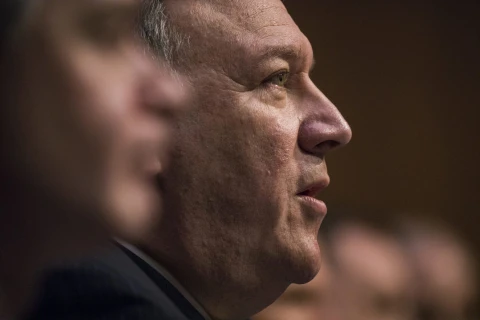
Pompeo’s islamophobic discourse is not unknown to the world. In a speech, he once stated, “threat to America is from people who deeply believe that Islam is the way and light and the only answer.”
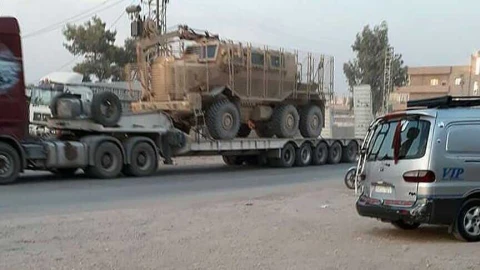
According to information gathered by a source from Syria's Haseke province, close to the Anadolu Agency, the US army has apparently delivered combat and mine resistant vehicles via the Semalka border crossing at the Iraq-Syria border.