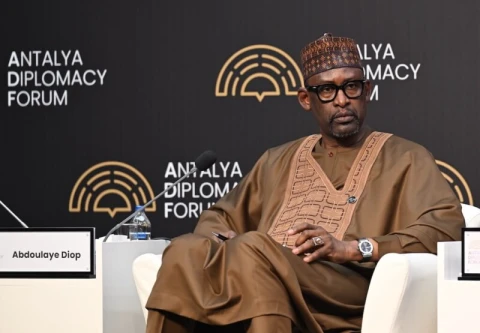
The Origins of Terrorism in Mali and the Role of International Actors
Not only did the presence of French forces on the ground in Mali fail to end terrorism, it also led to growing resentment among the local population.

Not only did the presence of French forces on the ground in Mali fail to end terrorism, it also led to growing resentment among the local population.
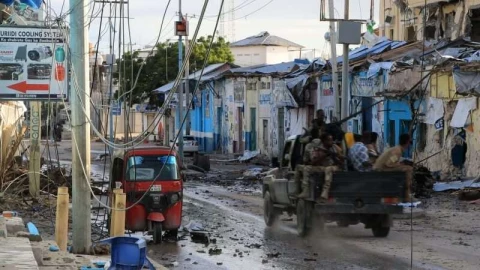
In East Africa, groups such as al-Shabaab used public spaces, including mosques and schools, to disseminate radical ideologies, particularly to young people.
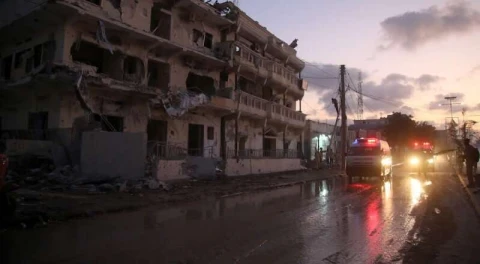
Almost all countries in the Horn of Africa have experienced terrorist activites with al-Shabaab standing out as the region’s most significant terrorist group.
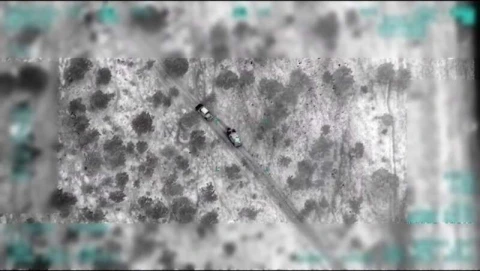
Turkey's main strategy is to disrupt the organization's leadership in order to cause significant damage to the qualified personnel and thus lead the PKK into a process of disintegration.
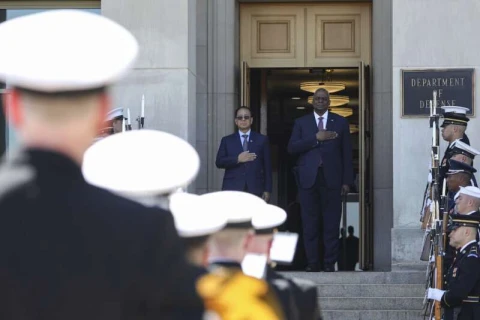
Six hundred delegates from 49 countries across the globe take part in the Shangri-La Security Dialogue each year, where security officials discuss issues which they can’t talk about due to diplomatic considerations.
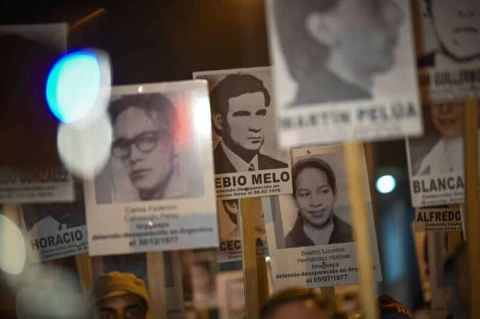
Over the span of 125 years, the concept of terrorism changed its meaning from "almost acceptable" to "unacceptable" and "purely evil".
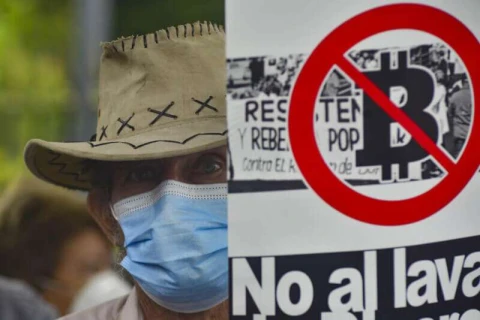
Experts argue that governments and NGOs must provide quick answers when demanded and abide by regulations.
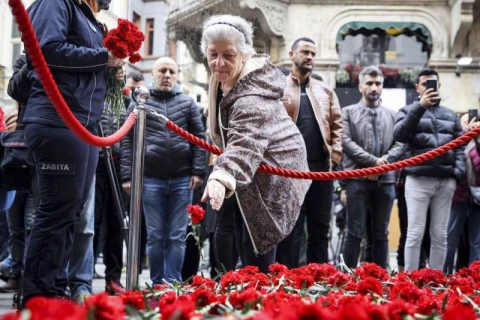
Al-Bashir is of Afro-Arab Syrian origin, and her involvement in a terror attack was intended to provoke the Turkish public.

Non-violent political activists around the world are the target of surveillance measures by police agencies.
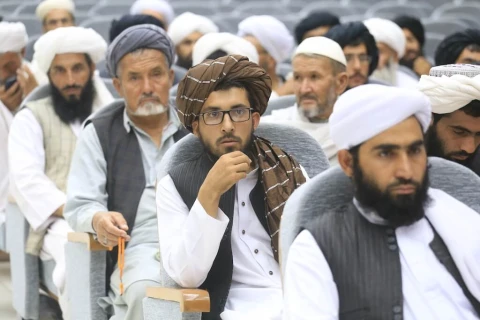
To govern, the Taliban need legitimacy from the people, international recognition, and monetary resources.
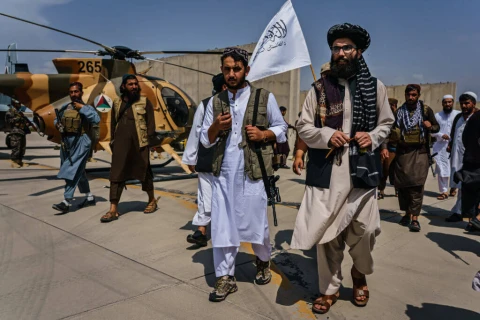
ISIS-K was established in January, 2015 and was able to establish territorial authority in numerous rural areas in north and northeast Afghanistan.
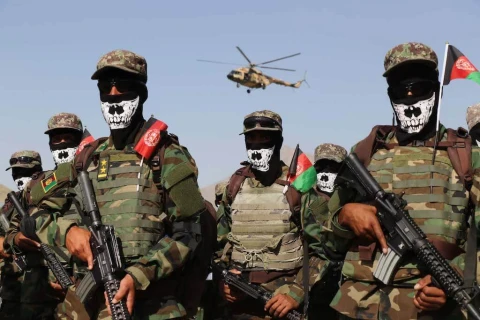
The ideology, legacy, and constituency of Al Qaeda are still present in Afghanistan.
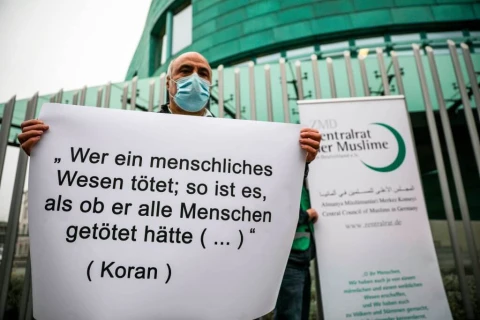
Why the approach towards terrorism in the West is just wrong.