
Shifting Front Lines in Sudan and the Future of a Protracted War of Attrition
In Sudan, a decisive military resolution of the war appears unlikely.

In Sudan, a decisive military resolution of the war appears unlikely.
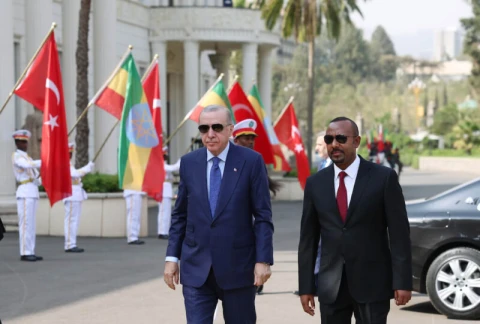
The Horn of Africa will show whether Ankara can translate its narrative of partnership and mediation into sustained crisis management on the ground.
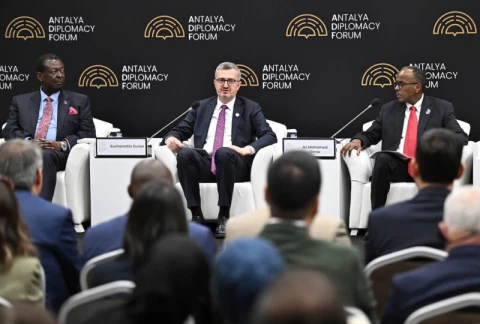
Rather than clashing over interests in the Horn of Africa and the Red Sea basin, it would be more positive and realistic for Türkiye, Egypt and Saudi Arabia to manage their interests through shared foreign policies.
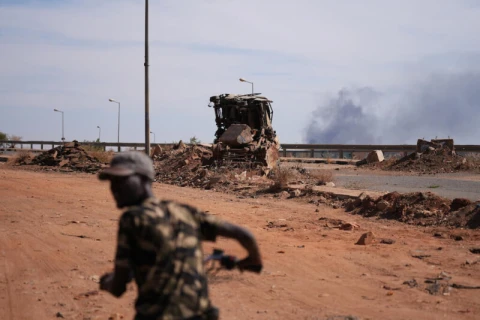
Sudan’s military has long accused Abu Dhabi of arming and funding the RSF, allegations that U.N. experts and some U.S. lawmakers have previously said they find credible.
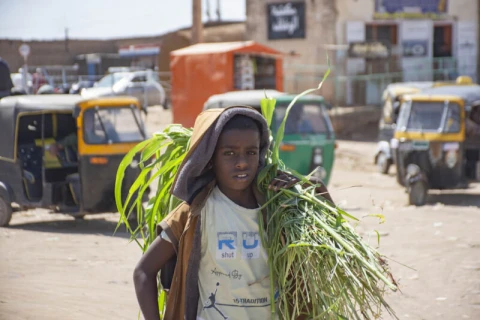
Boulos described the Board of Peace as a smaller, highly engaged group that is eager to support conflict resolution efforts beyond its current focus on Gaza.
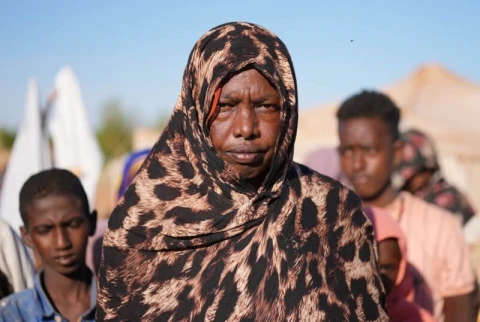
In Sudan, the warring parties' search for military and diplomatic support has led to intense external intervention.
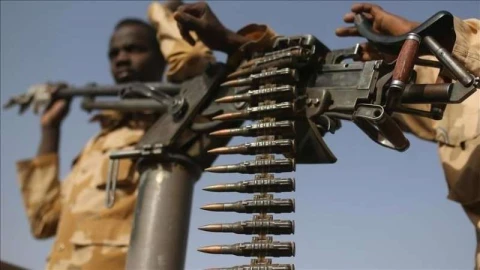
The Rapid Support Forces (RSF) militia is working tirelessly on a public relations campaign to convince the world that it's a national force in Sudan.
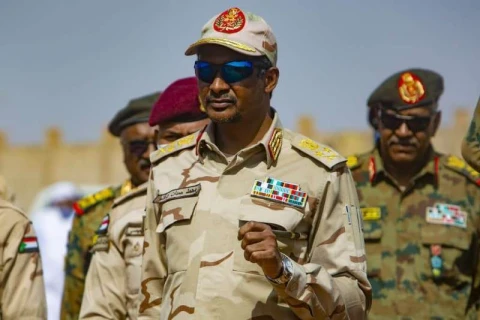
The UAE's support for the RSF militia is a violation of foreign territorial sovereignty, prohibited under international law.
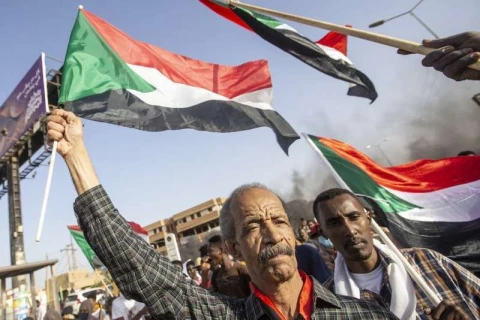
The humanitarian crisis in Sudan is deepening as 14,000 individuals have reportedly fled Wad Madani, with the United Nations having to suspend all humanitarian missions in al-Jazirah state due to the violence.
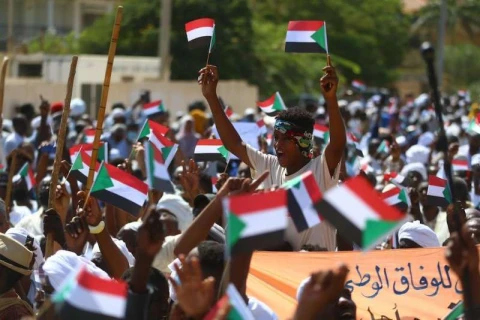
For years, the RSF militia has relied on social media to sway public opinion. After Facebook removed its official pages, it started to rely on its X accounts as its primary tool of misinformation.
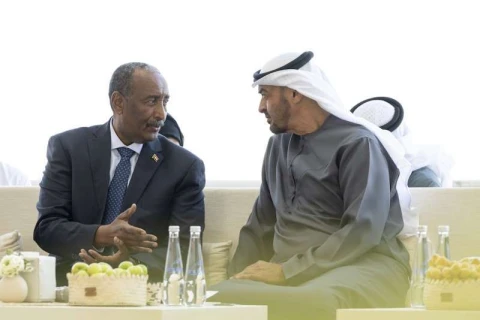
The UAE's involvement in Sudan has been multifaceted, including supporting a failed post-2019 political transition and engaging in economic ventures.
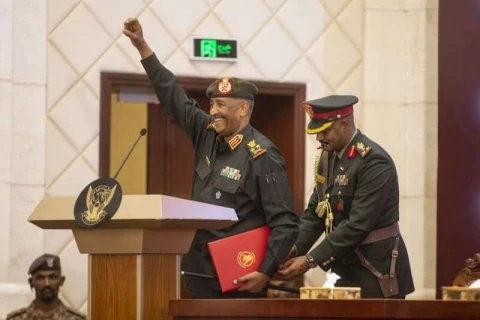
The RSF militia has launched a campaign targeting French leaders and society in anticipation of any reversal in France's position.
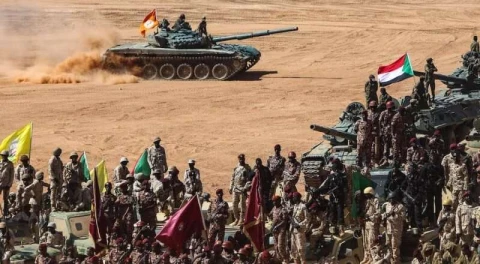
Four years after the coup, Sudan could not recover and the political and economic chaos has now become unmanageable.
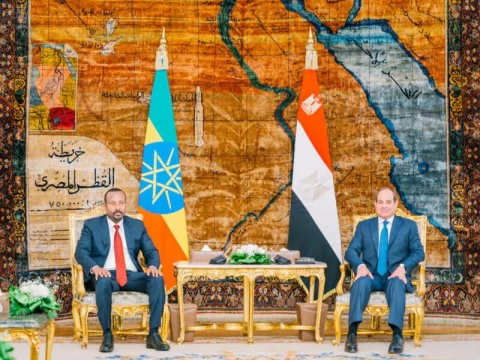
Egypt, Sudan and Ethiopia should follow the principle of "African solutions to African problems" and resolve the issue of the Renaissance Dam on the Nile themselves.
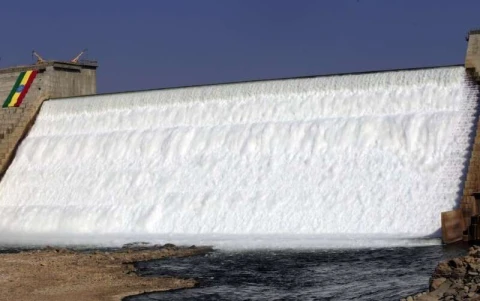
Sudan and Egypt fear the Ethiopian project could reduce their share of the Nile's water. But Ethiopia insists the dam is the key to its economic development.
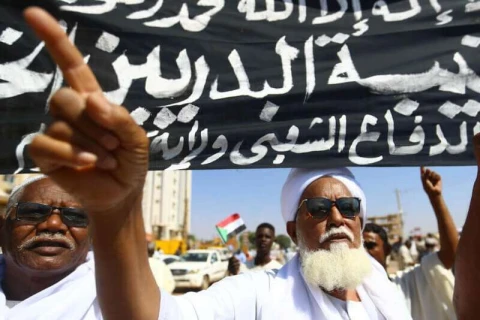
If the conflict in Sudan drags out, it could lead to a hydro-geopolitical conflict affecting the whole East Africa.
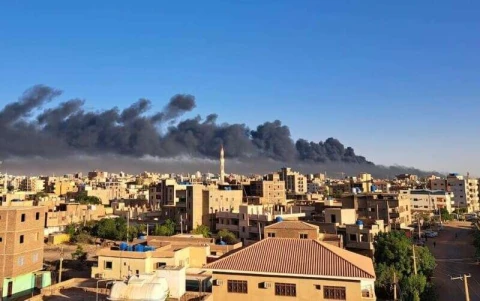
Hemedti commands a robust military presence in Sudan, and tensions between Hemedti and Burhan may evolve into a larger-scale military conflict.
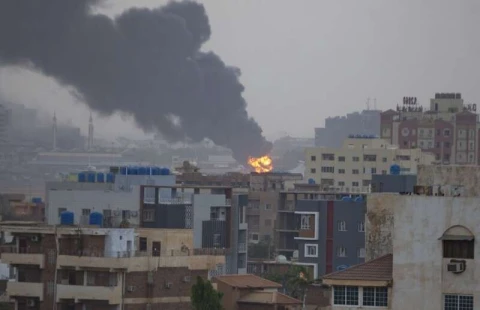
The Sudanese Army and the Rapid Intervention Forces (RIF) have differences over how to integrate the RIF into the army, which led to the April 15 infighting.