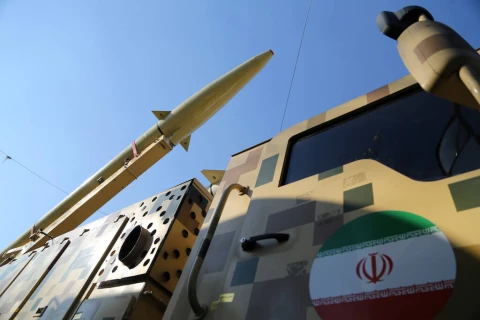
Iran's Proxies in the Middle East: A Halted Transition to Politics?
Although Iran’s short-term expectations from its proxies were mostly military, there has been a strong political dimension since from the beginning.

Although Iran’s short-term expectations from its proxies were mostly military, there has been a strong political dimension since from the beginning.
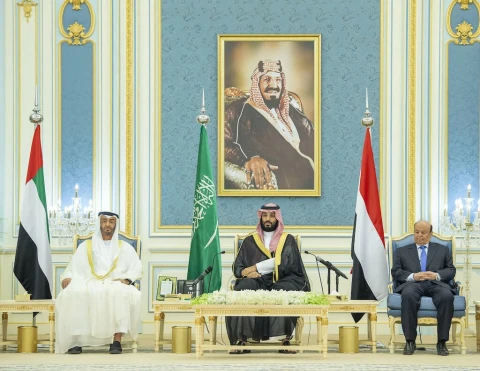
No matter how the dialogue between Saudi Arabia and Iran grows in 2022, Saudi Arabia will continue to see Iran as a threat in the long term.
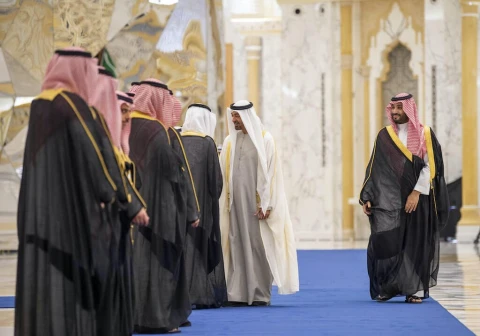
The UAE’s maneuver capacity can be related to the abandonment of religious themes in its foreign policy rhetoric.
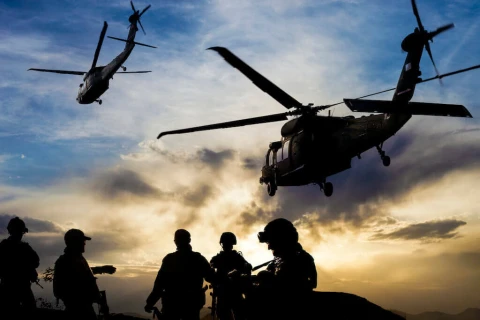
The Taliban need both Iran-Saudi rivalry and their recognition and assistance in reconstructing Afghanistan’s devastated infrastructure.
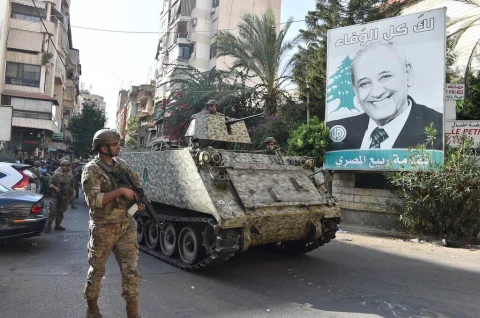
The politicization of the Beirut blast probe has polarized public opinion, exacerbated the public debate and led to sectarian clashes.
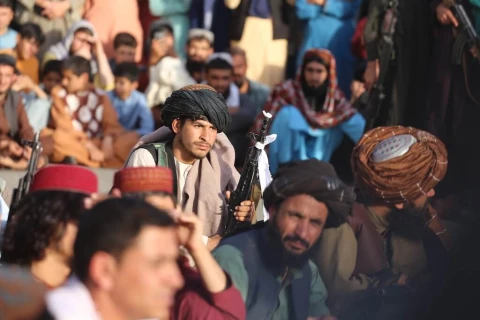
Above all, the gravest challenge to Islamist Iran will be Islamist Afghanistan.
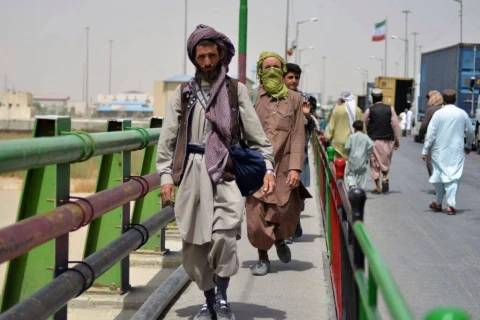
The Taliban will now be wary of Iranian subterfuge and will crackdown vigorously against any plot against them, perhaps forming a flashpoint for future conflict between the neighbouring countries.
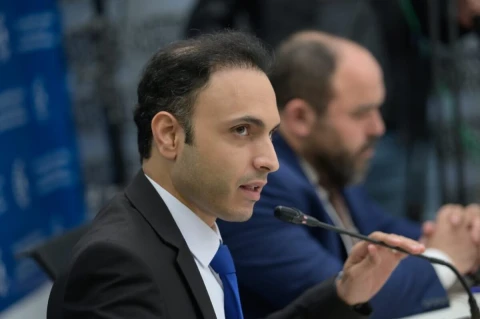
Eighteen years after the fall of Saddam Hussein, Iraqi Shiites are divided on the relationship between political power, ethnicity, and religious legitimation.
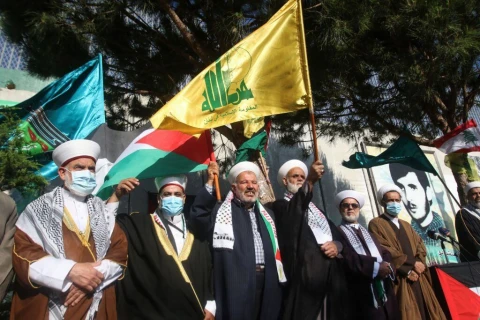
While Iran still seeks to exploit the Palestinian cause for its benefit, there is increasingly dwindling interest in the Arab street for Iranian intervention.
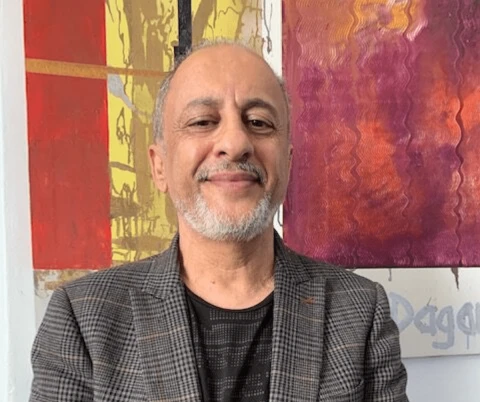
Today, we have children carrying guns because they think that the war is a solution. We need to reverse this psychology and convince people to think that we can make peace.
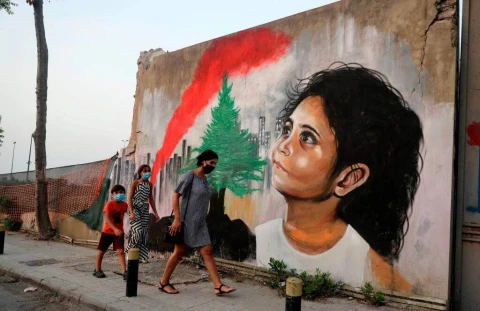
A new wave of emigration from Lebanon can have a brutal impact on the country.
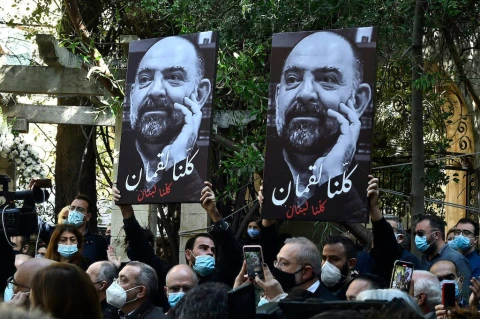
This might be another chapter in Hezbollah's ongoing drive to dominate Lebanon.
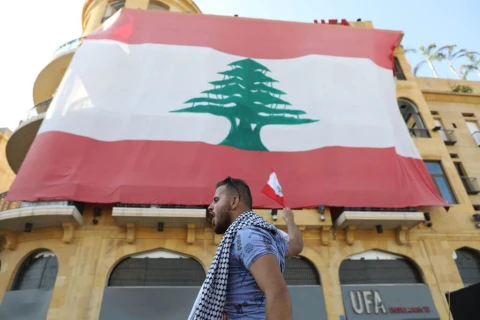
Can a fully civilian government be established in Lebanon? Can the parliament be replaced by politicians with no sectarian affiliation at all? Can the term "sect" be completely removed from the Lebanese identity one day?
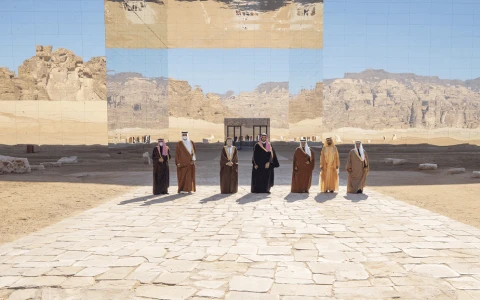
Major political shifts and divides are occurring today in the Middle East. There are alliances and blocks that emerged. This geopolitical restructuring is taking place in a multipolar world, where regional actors will depend more on their hard-power to secure their interest. Andreas Krieg, Ali Bakeer, and Giorgio Cafiero comment on the political blocks in the contemporary Middle East.
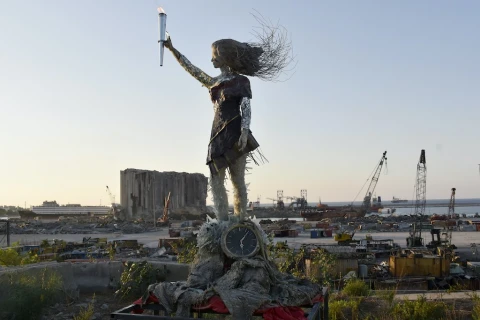
Will the Beirut Port explosion, in retrospect, be the Chernobyl of the ever-entrenched Lebanese sectarian system?
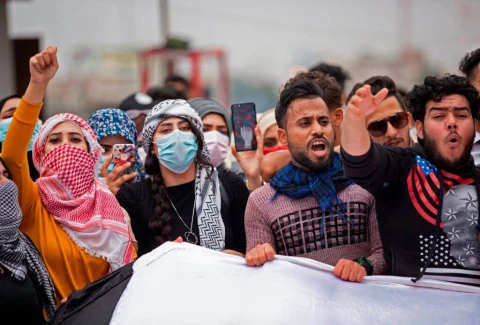
It was not simply the case that Saddam had to go, but the very concept of a sovereign Iraq had to be dismantled and destroyed, never to rise and stand on its own feet again.
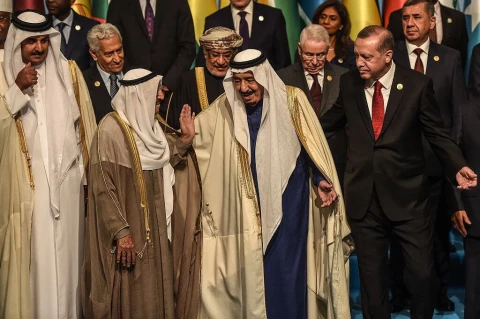
Anxieties regarding Turkey’s military presence in the north of Syria, its collaboration with Russia and Iran throughout the Astana process and its role of promoting democracy so as to threaten the status quo in the Gulf are only several reasons for the deteriorating relations between Turkey and the GCC, specifically Saudi Arabia, UAE and Bahrain.
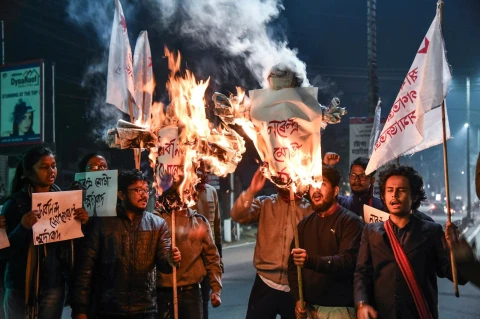
If the Modi government wants to give India a place in international platforms, all forms of bigotry and the secret but conspicuous wish of ultra-Hindu Nationalism should be renounced immediately. If not, India will be a home for stigmatization and racism.