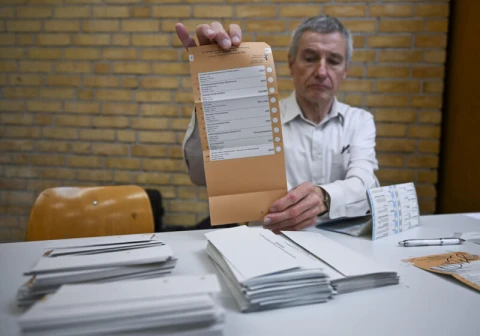
The Unraveling of Centrist Politics in Germany: The September Elections
What is striking is that the AfD at least doubled its vote share in subsequent elections in Germany.

What is striking is that the AfD at least doubled its vote share in subsequent elections in Germany.
Looking at the state parliament election results in Mecklenburg-Western Pomerania in Germany, two critical points stand out.
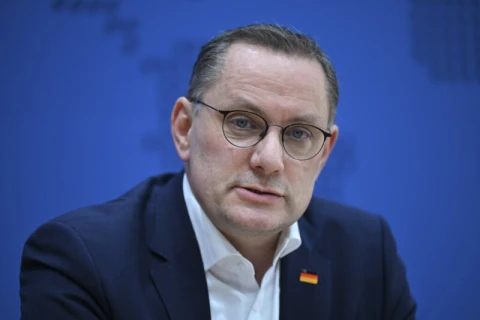
Preliminary official results in Saxony-Anhalt showed the AfD winning 43.8 percent of the vote, more than twice the 17.2 percent secured by Chancellor Friedrich Merz’s centre-right Christian Democratic Union (CDU)
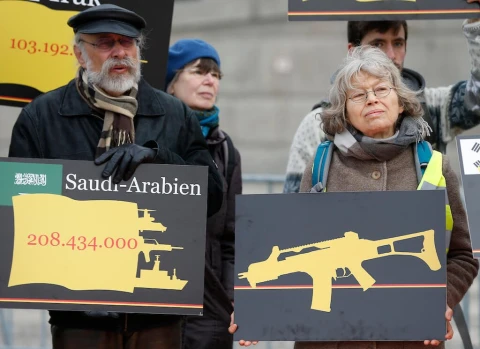
Morality and political ethics are only of discursive value and perhaps even a weapon to use against others.

Tareq Alaows launched his candidacy for the Green Party to represent Oberhausen in North Rhine-Westphalia, however, he decided to withdraw due to threat calls that he received from far-right people.
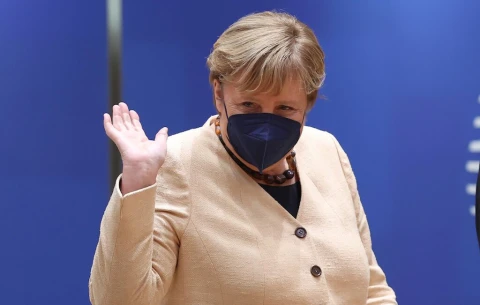
Experts fear that Germany will continue to play a reactive rather than an active role in the international arena.
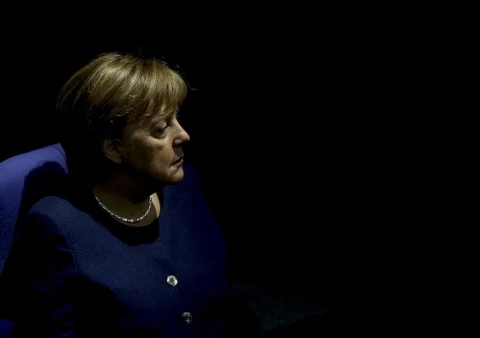
Looking at the material results of Merkel’s policies, one can claim that her patient style did not pay off.
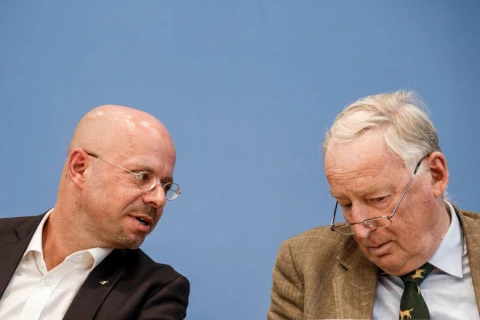
A nightmare has not come true – for now. The political elites from Germany's centrist parties and those from the federal but fragile “grand coalition” government have been saved. But this must not mislead anyone.
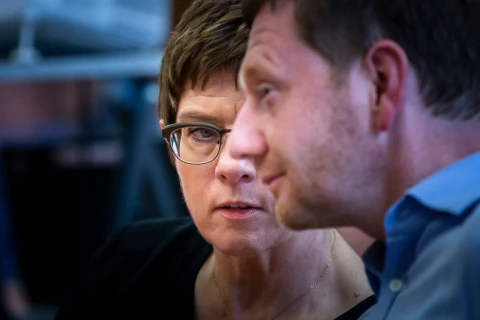
In the aftermath of the upcoming state elections on Sunday, German Christian Democrat politicians will most likely clarify the party’s future positions by solving its intra-party conflicts.
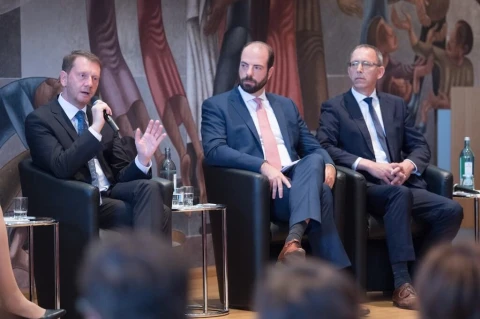
In the upcoming months, elections of three federal state parliaments will be held in Germany. The elections in Brandenburg, Saxony and Thuringia will not only have implications at the federal state level but also on a national level.
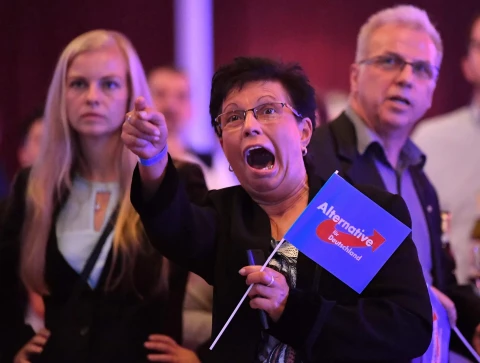
This now means that Merkel’s new real opposition is the far-right.