
State Parliamentary Elections in Germany: Uncertainties Facing Chancellor Merz and the Federal Government
Looking at the state parliament election results in Mecklenburg-Western Pomerania in Germany, two critical points stand out.


Looking at the state parliament election results in Mecklenburg-Western Pomerania in Germany, two critical points stand out.
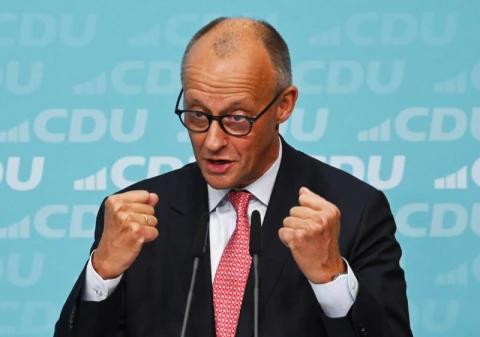
Ongoing criticism of Chancellor Merz’s communication strategy has intensified, particularly following his departure for summer vacation at the end of July.
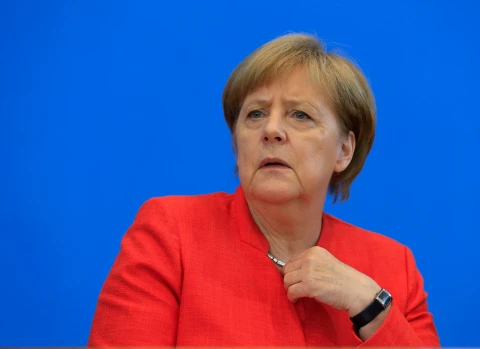
That the debate about Germany’s potential aim to have its own nuclear weapon coincides with the nationalist trend in the country’s political discourse also points out an interesting and deteriorating path.

Perhaps Ozil’s recent stance may achieve or possibly trigger more than what previous victims of known racist treatments have not had the chance to.
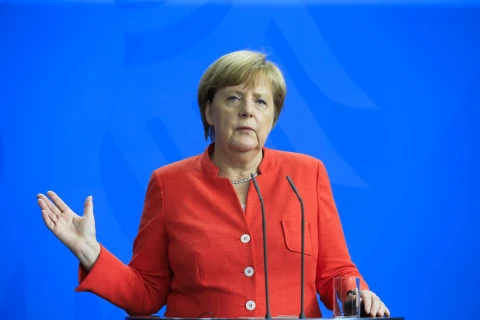
The CSU increasingly preferred nationalist like discourses by resembling Austria’s Chancellor Kurz or even Hungary’s Prime Minister Orban in order to compete with the AfD’s extreme standpoints.
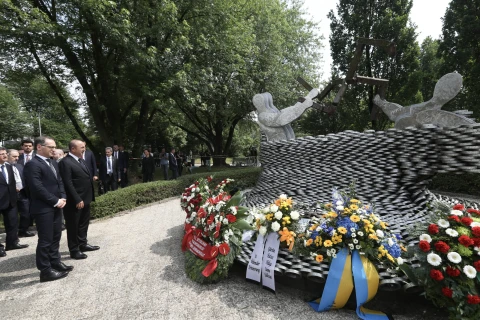
During the last week the entire country remembered this terrorist attack, while on the other hand members and sympathizers of the right-wing AfD party tried to relativize the Solingen attack by focusing on the speech of 75-year-old Mevlude Genc, who lost her two daughters, two granddaughters and a niece in the blaze. One of these AfD politicians attacked Mrs. Genc on social media by criticizing her due to the lack of her German language skills and her headscarf.
The federal government has to be sincere and diminish its obvious and continuous double standards. If a country permanently tries to prevent certain Turkish politicians’ meetings in Germany by complaining about false aspects, then, one expects that the federal German government stops interfering in other’s domestic affairs, too.