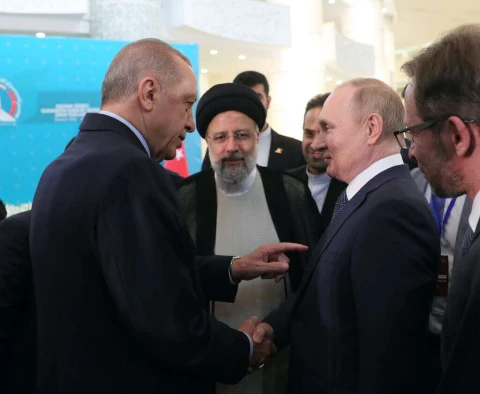
Can Turkey, Russia, and Iran Bring Permanent Security to Syria?
Ultimately, the Astana Process reflects the nature of politics today.

Ultimately, the Astana Process reflects the nature of politics today.
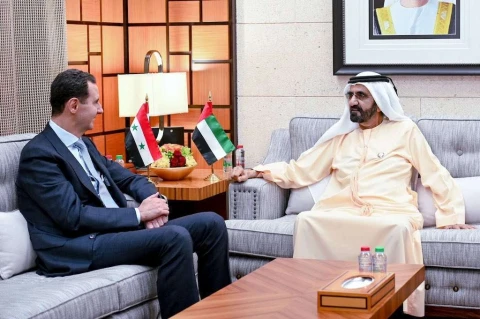
Although it has not severed its relations with the regime, Jordan has taken positions close to the Syrian opposition over the past decade, but has kept its border open with the Syrian regime for economic reasons.
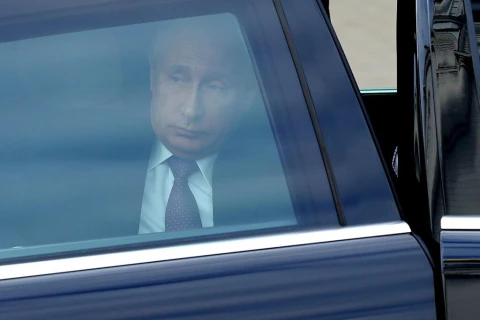
Russia can find its Syrian Kadyrov. However, in contrast to Chechnya, Russia needs to balance and share power with another actor or risk an entire new conflict dynamic to evolve in Syria.
Daesh is now in a new era in which popular support and acceptable governance will be the main effective tools to grab the extremists from their pool of recruitment.
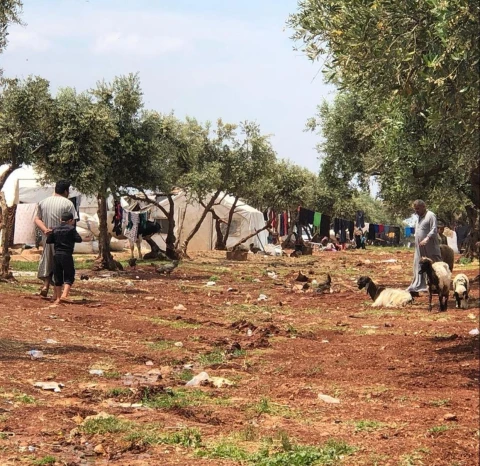
Eight months later, the Assad regime, backed by Russian air power, has conducted a ruthless aerial campaign which has forced over 200,000 people to flee their homes in less than a month. Meanwhile, 200 people have been killed, nearly all by indiscriminate shelling and aerial bombing.
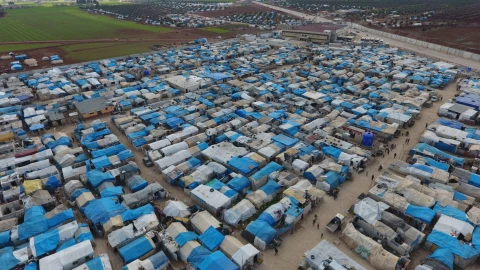
Forced migration and displacement are among the unlawful and most effective measures that the Assad regime has been using. However, legalizing the unlawfulness will have long-term impacts on the Syrian state and society.
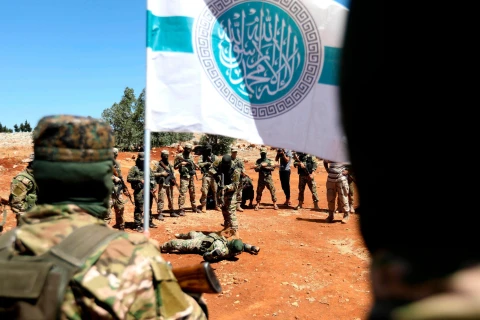
Under current circumstances, the Syrian opposition remains weak in their disunity and seem incapable of getting rid of HTS. In this case, the Assad regime would start an operation towards Idlib under the pretext of the presence of HTS supported by Russia, who will try to persuade Turkey to withdraw from Idlib.
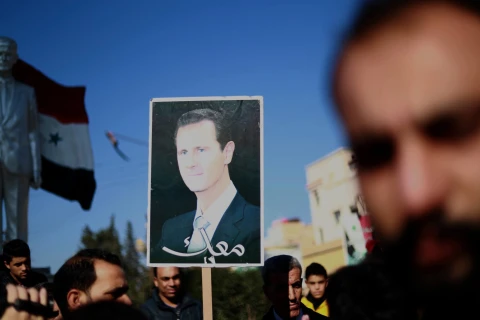
Lebanon fears the return of the Assad regime to the regional and international arena, and thus its old influence on Lebanese politics, economy, security, and society.
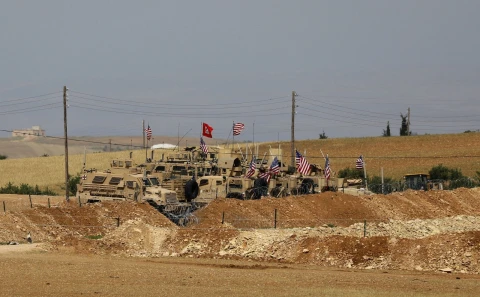
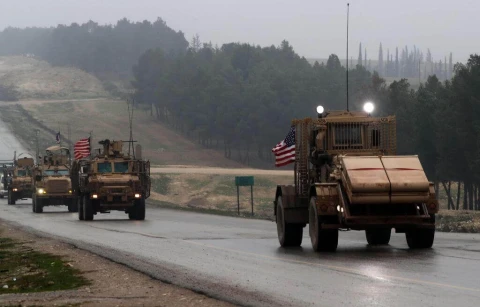
Both the approval of possible patriot sales to Turkey and the U.S. withdrawal from Syria will have a direct effect on the foreign policy of Ankara in the short and long term. Hence, these two events have been observed as a triumph for Erdogan.
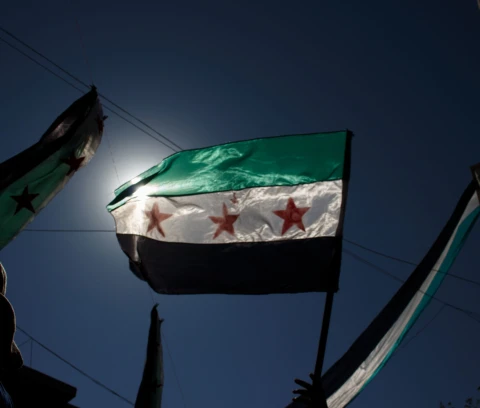
Turkey's policy of keeping and enlarging its military presence in Syria has two aims: Sustaining Turkey’s national security against YPG and Daesh terror and achieving democratic change in Syria.
One way to prevent a regime coalition offensive in Idlib would be if the U.S. stepped in. If the U.S. could come to a more balanced position between Turkey and the PKK it could allow for a so-called “NATO zone” that would put nearly half the country out of reach of the pro-Assad coalition, and place Turkey’s territorial holdings in Syria under the political protection, if not the military protection, of the United States.
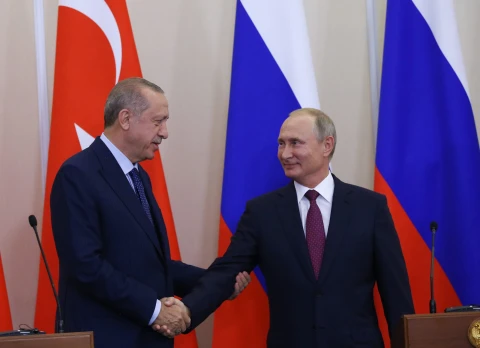
Turkey’s diplomatic success may have just saved thousands of innocent lives as well as yet another unnecessary humanitarian crisis. However, the Assad regime will certainly seek to take over Idlib eventually. If the Turkish-Russian deal succeeds, the opposition can survive and the contours of a future political deal can be based more on realities on the ground rather than the political goals of the Assad regime.
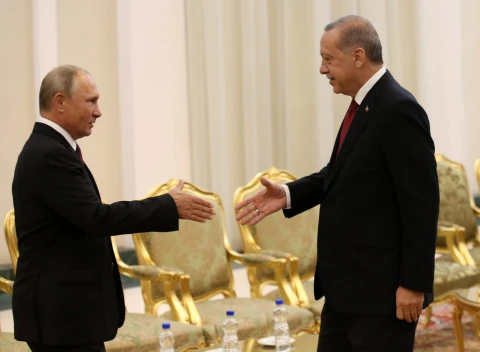
Turkey’s primary strategy in this game is to deter the Syrian regime from a brutal offensive while trying to find a middle ground with Russia and bringing the similar minded European powers closer to the game.
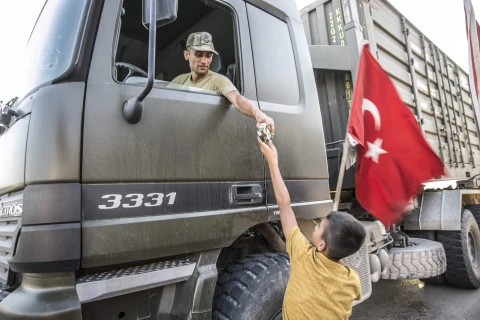
This is the right time for the international society to take real responsibility in order to overcome the already deepening Syrian crisis. The violent fall of Idlib will not bring an end to the Syrian Civil War, but Idlib can provide a tremendous opportunity for Russia and the international community to find a common ground for the future of Syria.
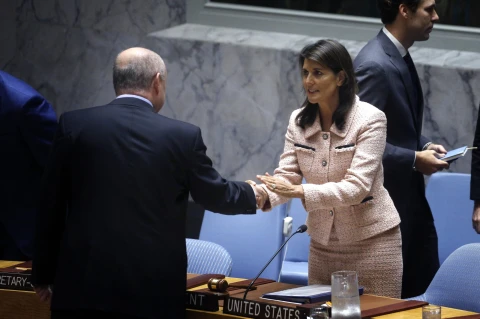
With the recent U.S. appointment of James Jeffrey, the new representative for engagement on Syria, there are signs that Washington might listen to and understand Ankara better, especially on its Syria policy.
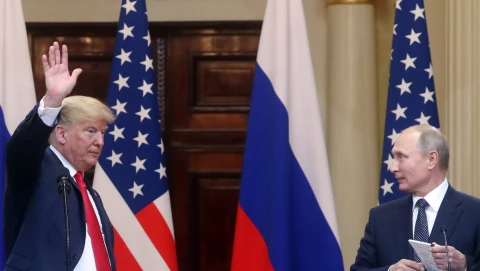
Defending civilians against the brutality of the Assad regime and his allies should not only be Turkey’s responsibility. The international community, including the U.S., has great responsibilities to carry in this particular matter as well.
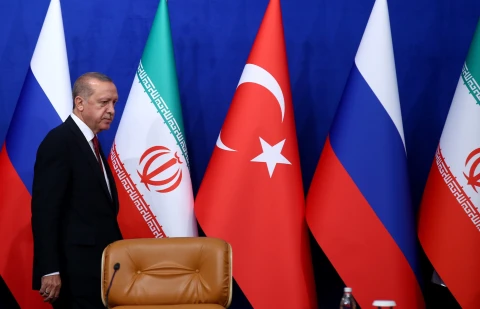
Yes, the joint statement did not guarantee a fully peaceful solution over Idlib but this diplomatic traffic is still better than no diplomacy for Turkey, which is trying to eliminate the possibility of a bloodbath in Idlib.
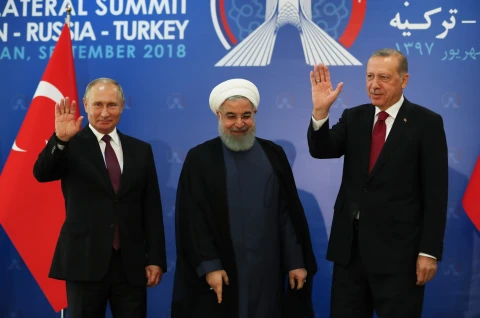
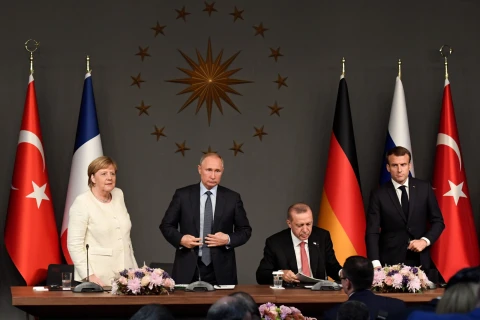
The final meeting of the summit was interestingly broadcasted live so that the participating nations could raise their position publicly regarding the Idlib issue. It was a textbook example demonstrating competing discourses and strategies that frame the participating nations’ policy justification regarding the situation, not only in the Idlib region but also in Syria.