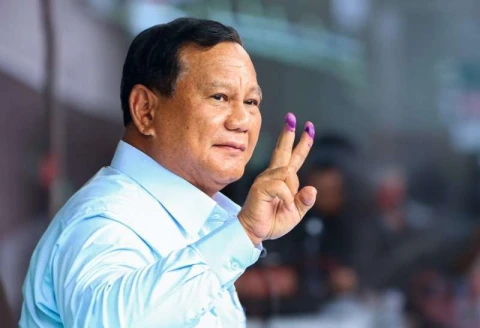
India and Indonesia: Security Orbits in the Indo-Pacific
The victories of Narendra Modi in India and Prabowo Subianto in Indonesia reflect a new international behavior, a reorientation of Indo-Pacific politics.

The victories of Narendra Modi in India and Prabowo Subianto in Indonesia reflect a new international behavior, a reorientation of Indo-Pacific politics.
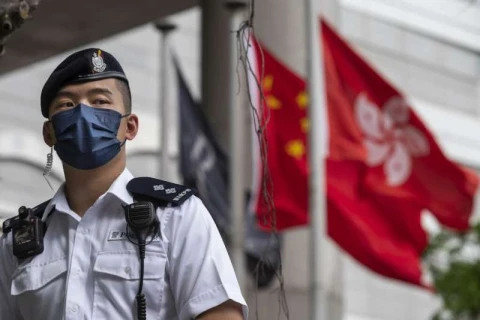
Kiribati is strategically important as it controls one of the world's largest exclusive economic zones, covering more than 3.5 million square kilometres.
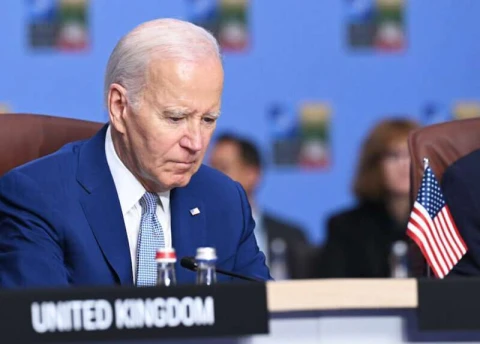
It will not be as easy for Washington to rally NATO members behind its fight against Beijing as it has been to rally them against Moscow.
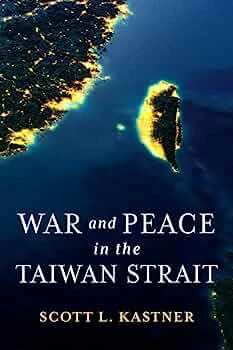
A crucial question Scott Kastner considers is whether the United States would come to Taiwan's defense.
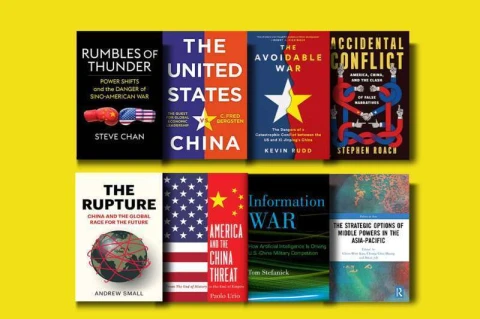
The competition between China and the United States has overtaken the world agenda and is shaping foreign policy decisions globally.
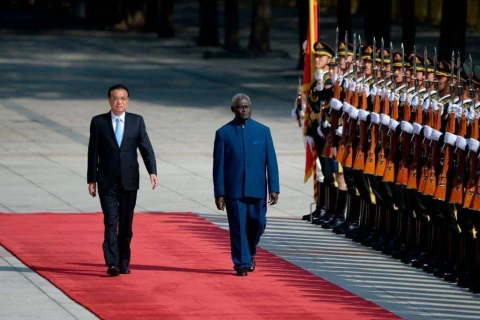
The security pact signed between Beijing and Honiara paves the way for Chinese military presence in a country fewer than 1,500 miles from Australia’s eastern seaboard.
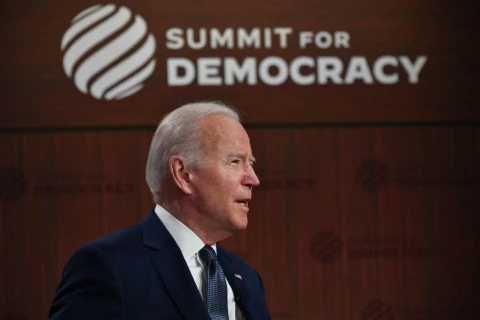
The US miscalculation can potentially trigger more controversy among non-democracies in the Asia-Pacific.
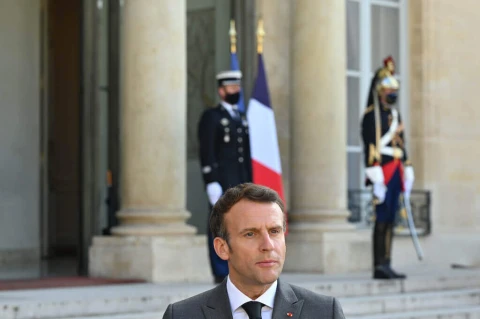
Indo-Pacific is about to undergo it’s most significant reorganizing since the end of the Second World War.
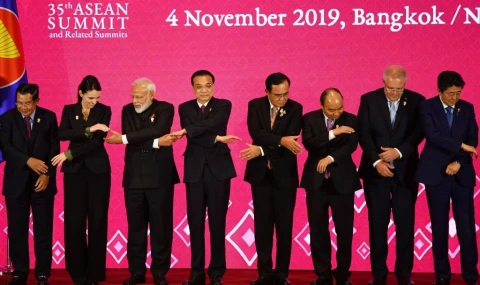
The RCEP is ostensibly a mechanism to oversee the trade activities of the major countries in the region. The hypothesis that China will draw the other countries into its orbit has yet to be proven.

To be sure, Trump is not the first U.S. presidential candidate who fed his campaign with a nationalist trade agenda. Yet even the uncertainties he has created so far have been enough to scare the global markets.