India and Indonesia: Security Orbits in the Indo-Pacific
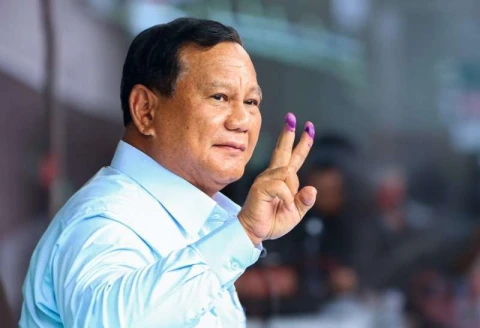
The victories of Narendra Modi in India and Prabowo Subianto in Indonesia reflect a new international behavior, a reorientation of Indo-Pacific politics.


The victories of Narendra Modi in India and Prabowo Subianto in Indonesia reflect a new international behavior, a reorientation of Indo-Pacific politics.
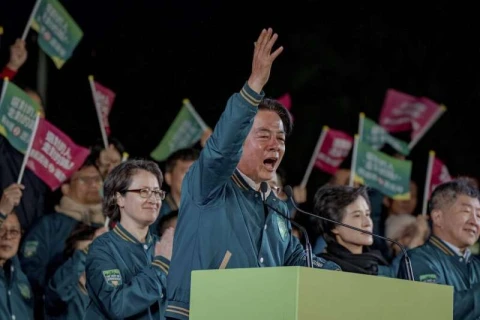
It is impossible to expect any change in mainland China's political and territorial sovereignty claims over the island in the face of Taiwan's democratic development.
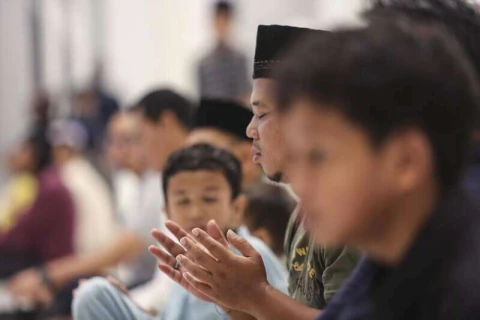
In the run-up to the G20 summit, one of the most prominent criticisms of the NU has been the idea that it is playing a double game with its slogans of inclusivity, tolerance and pluralism.
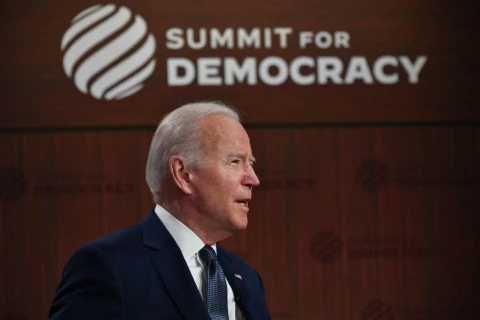
The US miscalculation can potentially trigger more controversy among non-democracies in the Asia-Pacific.
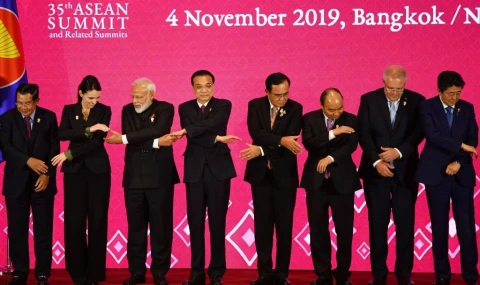
The RCEP is ostensibly a mechanism to oversee the trade activities of the major countries in the region. The hypothesis that China will draw the other countries into its orbit has yet to be proven.
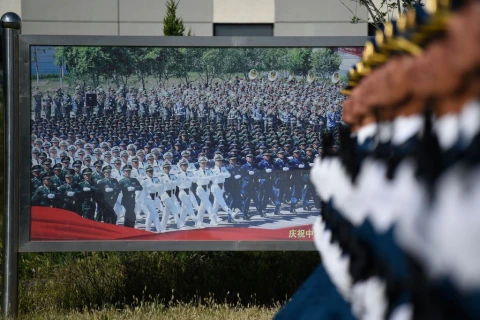
Today, China is governed by a communist regime under single party rule, and is proud of having arrived at a significant stage as the second biggest economic power globally. This, however, represents just one part of the reality China is facing.

The subjugation of the land of the Palestinian nation and blockade of the Sacred sanctuary of Islam by the Zionist regime of Israel are the major reasons for the reactions of the Muslim nations worldwide, including the ones in Southeast Asia as well.