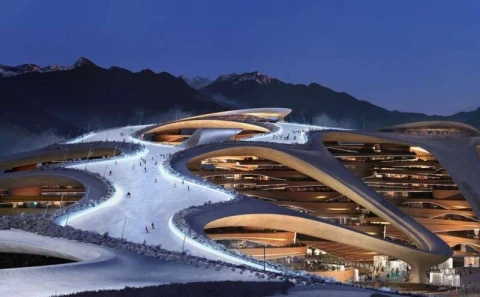
Utopian or Dystopian? MENA’s Urban Mega Projects
While MENA governments continue to invest in urban mega projects, observers have raised questions about their sustainability.

While MENA governments continue to invest in urban mega projects, observers have raised questions about their sustainability.
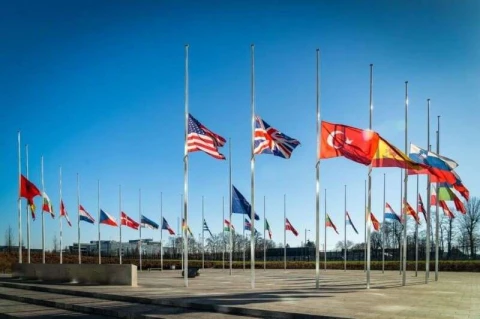
Many nations from all over the world have pledged aid to Turkey, and some have already sent search and rescue teams.
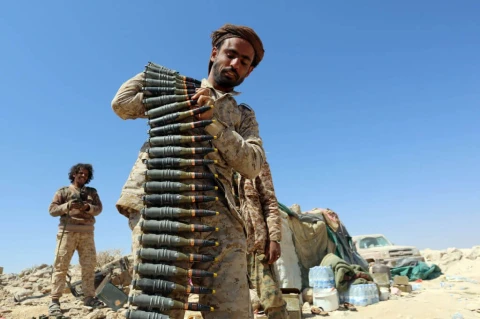
Drones, winged missiles, guided anti-armor weapons, Chinese assault rifles, Russian machine guns, snipers, rocket launchers and many others are continuously smuggled into Yemen.
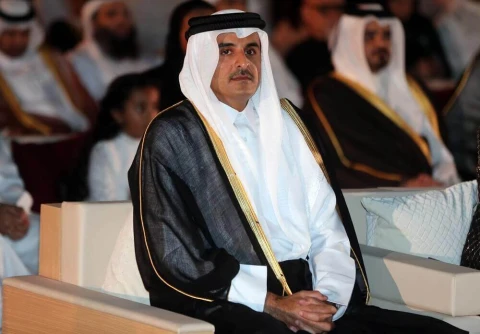
The idea of a rapprochement between Saudi Arabia, United Arab Emirates and Qatar is wishful thinking at the simplest level of analysis, as the effects of the blockade continues and mistrust between the parties persists.
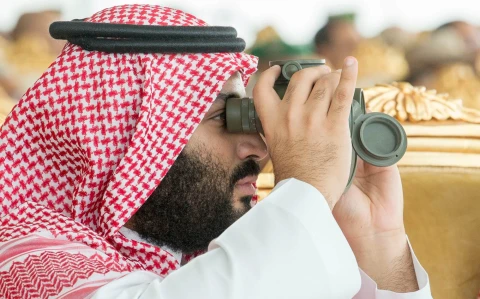
Of all the Arabian Peninsula monarchies, the United Arab Emirates (UAE) has received the most blame in Turkey for its backing of the YPG. Yet recently more Turks are paying closer attention to the deepening relationship between the Kurdish, Marxist group and the Kingdom of Saudi Arabia, which must be understood within the framework of Riyadh aligning closely with Abu Dhabi’s increasingly anti-Turkish foreign policy agenda in the greater Arab/Islamic world.
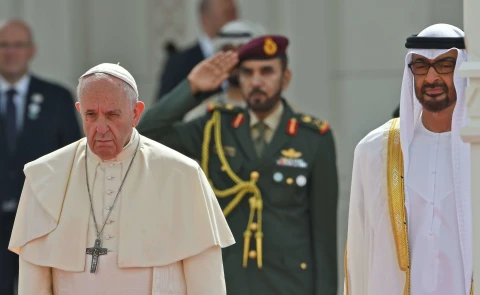
The United Arab Emirates wanted to use the Pope’s visit to improve its global image, which has recently been damaged due to many reasons. In order to contribute to its global image, UAE officials and media tools emphasized how tolerant the UAE is and how it works for peace and understanding among different beliefs.
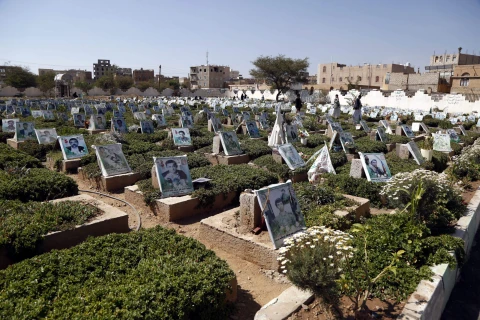
The international community must put pressure on particularly Saudi Arabia and Iran as well as their local proxies to come to the table in order to find a peaceful solution to the years-long crisis in Yemen. Otherwise, civilians will continue to pay the price of a regional power struggle between rival ideologies.
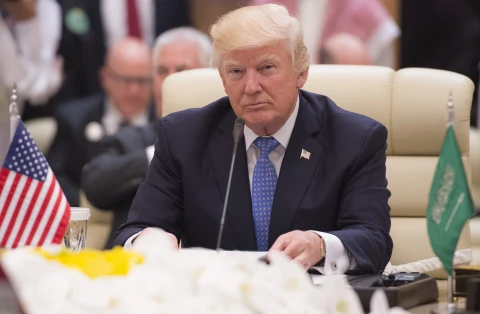
The future of the Trump administration in U.S. politics, the process of political transformation in the region and the deepening of the political divisions between the Gulf countries can be stated as the most important obstacles of the Trump administration's Middle East Strategic Alliance project.
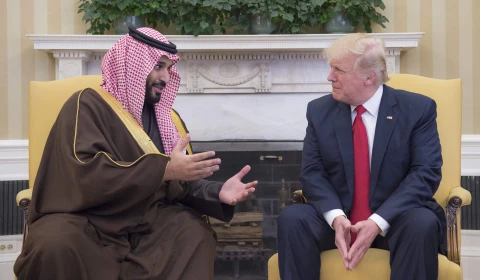
Following the election of Donald Trump as President, the United States has adopted a new political strategy towards the Middle East. The most important component of this policy was the establishment of an Arab alliance, which would have two major aims: Following pro-U.S. policies in the region and fighting against threats that could harm Israel’s security.
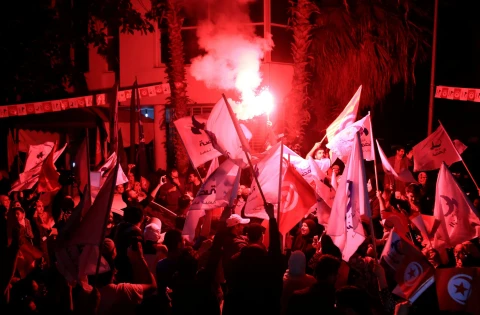
It is of great importance that Ennahda and other Tunisian political groups show a unified front against foreign intervention in order to maintain political stability and become a strong democracy.
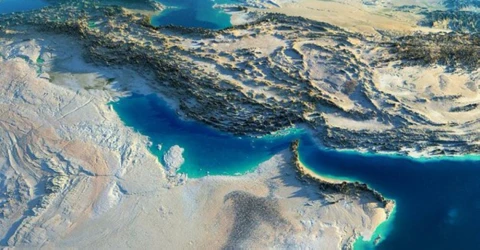
The canal project is an expression of the hostility from Saudi Arabia against Qatar. This is also observed from the comments from the Saudi officials. Saud Al-Qahtani, an advisor of Saudi Crown Prince, Muhammad bin Selman, congratulated the Saudi people for the "canal project, which will turn the “terrorist Qatari state” into an island."
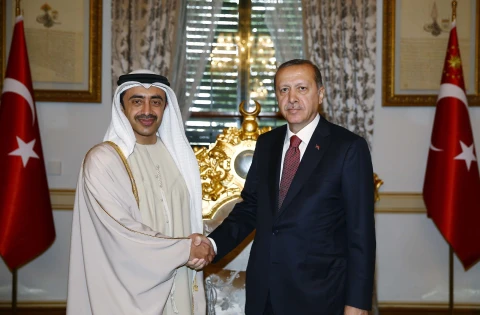
While Saudi Arabia and the UAE form the so called “axis of the status quo" promoting authoritarian regimes, Qatar and Turkey work together in the “revolutionary axis" supporting popular democracy movements in the Middle East.