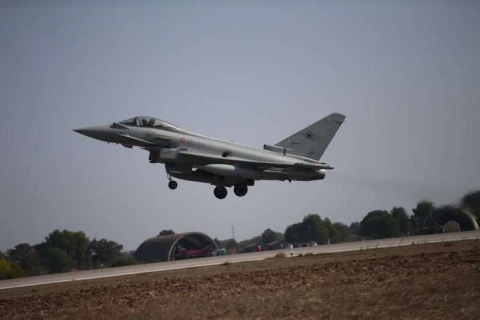
Turkey Plans to Purchase Eurofighter Typhoon
Turkey has announced plans to acquire 40 Eurofighter Typhoon fighter jets, as stated by National Defense Minister Yaşar Güler on November 16, 2023.

Turkey has announced plans to acquire 40 Eurofighter Typhoon fighter jets, as stated by National Defense Minister Yaşar Güler on November 16, 2023.
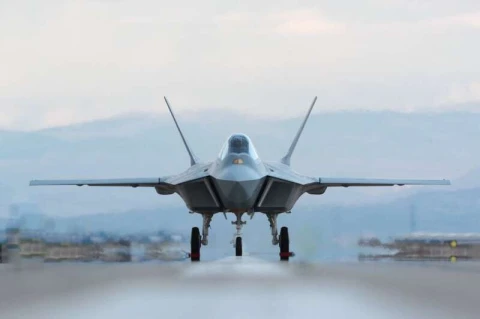
Having state-of-the-art fighters is a good advantage for an army but they are not enough to win a war.
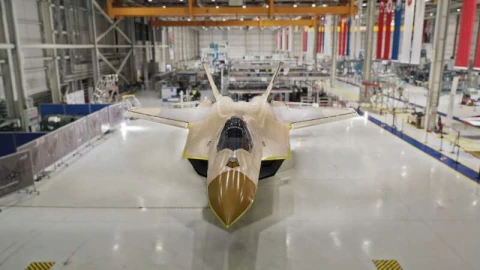
The elimination of the F-35 from the road map forced Turkey to redraw its plans and focus on a true omnirole capability for the National Fighter Jet.
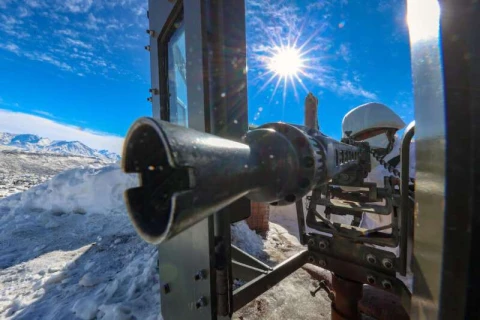
Since 2015, a total of 764 mortar attacks, rockets, and missiles have been fired from Syrian territory, targeting Turkey's populous southeastern cities.
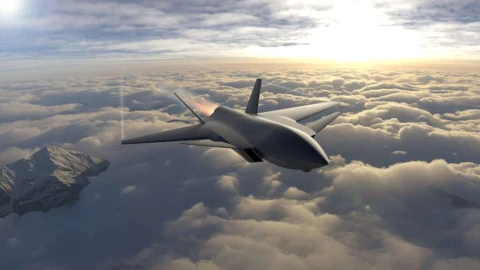
The Kizilelma is an armed Turkish drone, powered by a single turbofan engine. It is the latest member of the Bayraktar drone series by Baykar Technology.
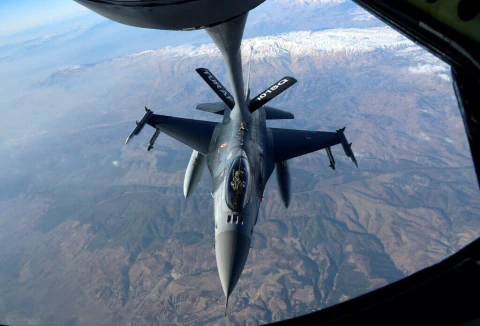
40 new F-16Vs and the upgrade of 80 fighters will certainly act as a cost-effective stopgap solution for Turkey until the MMU, indigenous unmanned combat aircraft, comes to light.
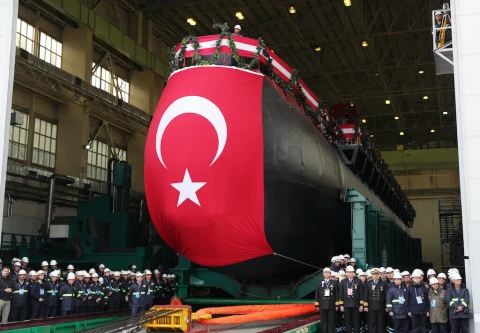
Turkish security planners expect that the New Type Submarine Project will enhance the country's know-how and technological capabilities in the submarines industry and help to achieve Turkey’s indigenous MILDEN National Submarine Program.
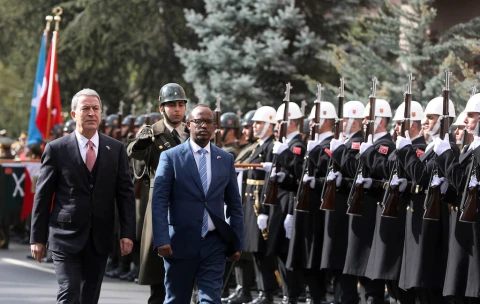
Turkey has become Somalia’s prime partner in the security sector alongside the EU mission in Somalia and the United States.
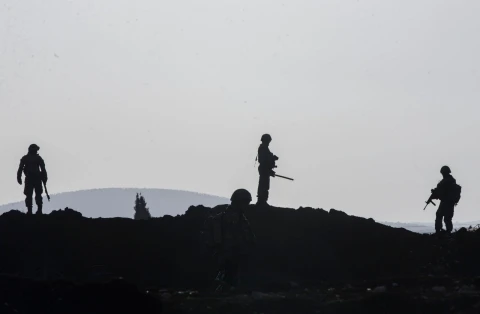
Trump’s decision brought many opportunities to repair especially the U.S.’s wrong strategy of working with a terrorist organization to fight against another terrorist organization, but at the same time triggered a new rivalry between the regional actors in Syria.
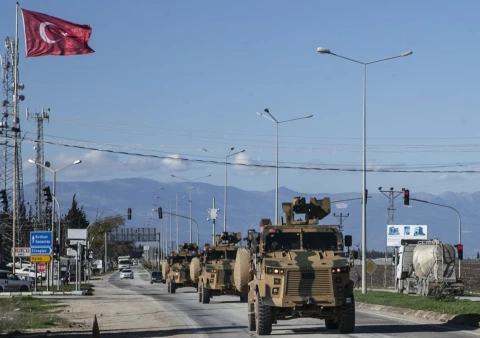
In response to President Erdogan’s announcement of the operation, the U.S. defense ministry has stated that a one-sided military operation towards the northeast of Syria is “worrying” and “unacceptable.”
Turkey’s strategic objective is clear: to de-territorialize the YPG/PYD alongside its Syrian border, fix relations with the U.S. in Syria and recalibrate its military presence.
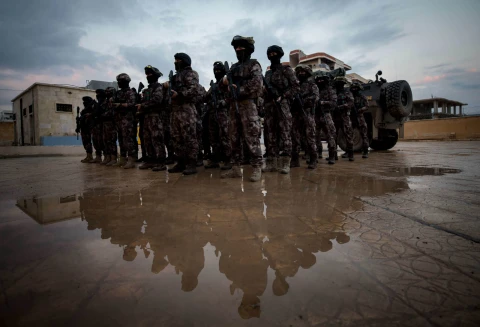
Turkey is revolutionizing its counter-terrorism strategy not only against the PKK in Turkey but also against other terrorist organizations in Syria and Iraq. The new face of terrorism and changing dynamics in the Middle East are likely to push Turkey to revolutionize its military affairs in the near future.
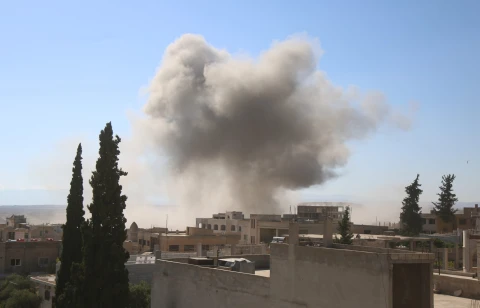
Turkey will remain a major stakeholder in northern Syria and any political agreement for the future of Syria will have to ultimately accommodate Turkish interests. Russia and Iran need to make sure that the situation in Idlib does not result in a disaster that Turkey has to handle on its own. This would not only alienate Turkey as it creates real dangers against Turkish interests but will also delay a potential political deal for Syria.
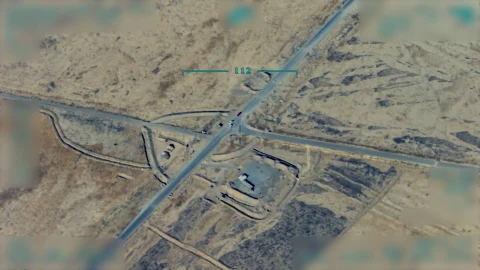
Over the past week, the Turkish Armed Forces neutralized two senior PKK commanders and took diplomatic steps for a decisive solution to the country’s war on terror.
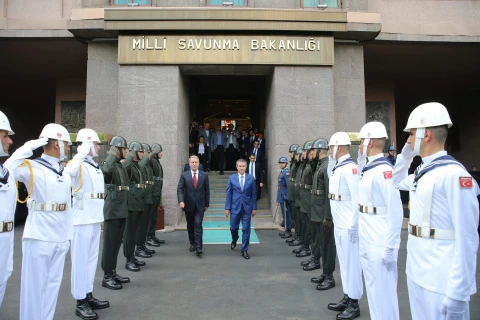
There is a need for a comprehensive strategic roadmap for Turkey’s civil-military relations and for the strategic transformation of the military in order to increase the credibility of the TAF and minimize the security risks for Turkey in national, regional, and international security environments.
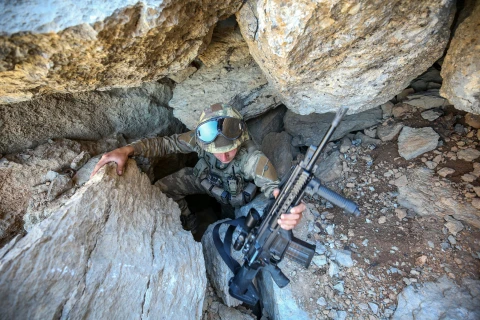
Only after such a tri-partite cooperation of Turkey, Iran, and Iraq, can the PKK finally be cleaned off from Qandil. As for defeating the PKK in Syria, Turkey will have to work with the U.S. and will have to find a way to persuade the U.S. to stop its support to the PKK’s consolidation in Syria.
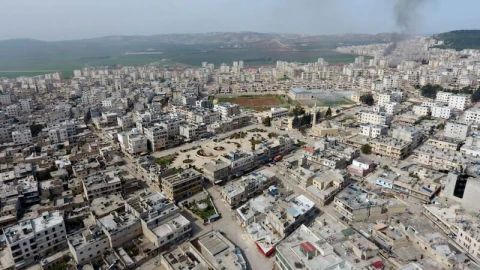
One way or another, it is clear that Turkey's military-political victory will provide more opportunities for strategic manoeuvres in Ankara’s next military move, particularly towards its ongoing military campaign against the PKK in northern Syria.
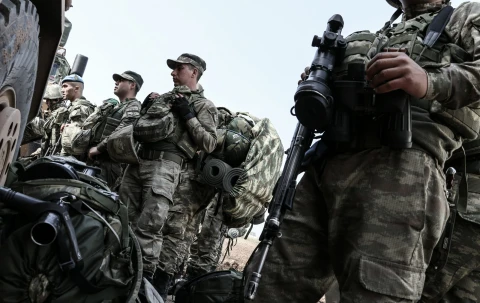
The sensitivity in protecting civilians is "causing the operation to proceed much more slowly and that there is a clear separation between the PKK and the Kurdish population of Syria.”