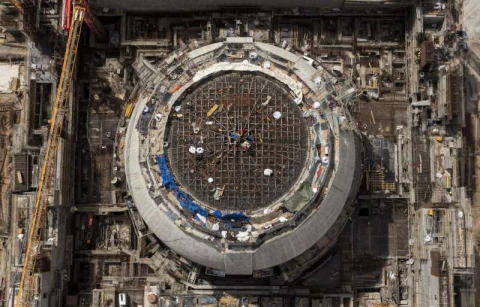
Nuclear Energy in Turkey: Peril or Miracle?
By 2026, all four reactors are planned to be operating and Akkuyu will generate about 10 percent of Turkey’s annual electricity needs.

By 2026, all four reactors are planned to be operating and Akkuyu will generate about 10 percent of Turkey’s annual electricity needs.
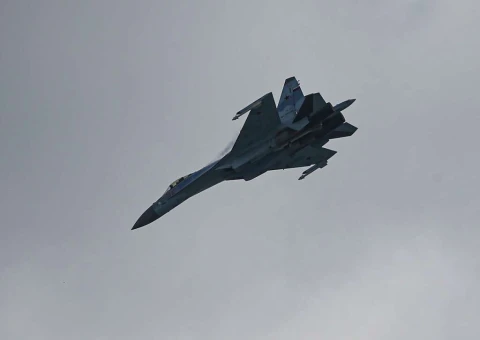
Turkey has placed a three-month ban on Russian planes flying to Syria.
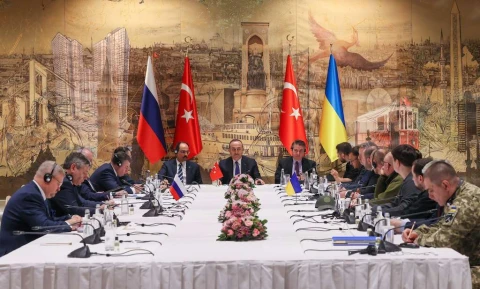
Turkey’s stakes in the Russia-Ukraine war are not only about geopolitics.
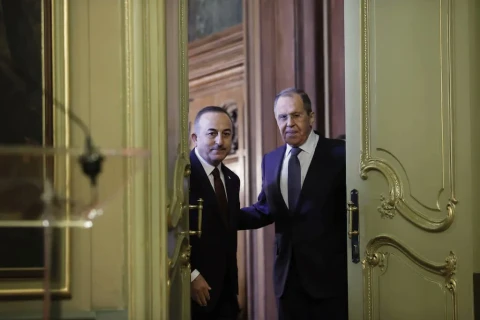
Eastern Mediterranean, the Black Sea region, and the South Caucasus are areas where Russian and Turkish interests coexist and contest.
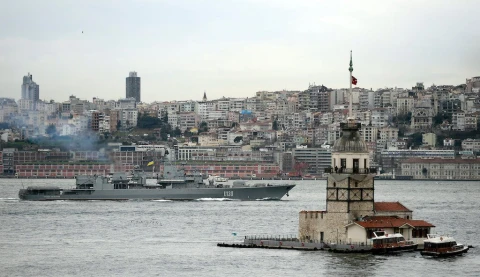
Turkey has officially confirmed that the warships of both countries would not be allowed to pass through the Turkish Straits.
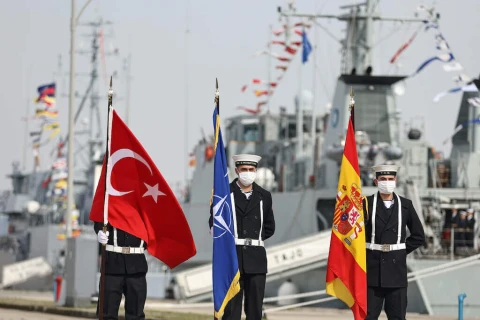
The Russia-Ukraine crisis has a silver lining in that it could re-anchor Turkey in NATO, in a way that promotes broader European security.
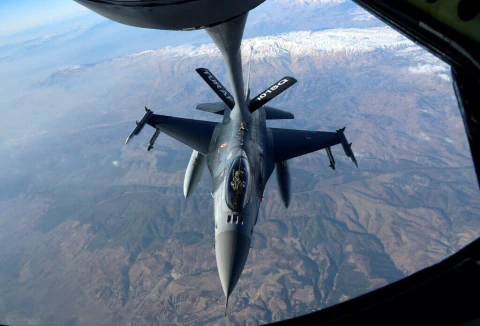
40 new F-16Vs and the upgrade of 80 fighters will certainly act as a cost-effective stopgap solution for Turkey until the MMU, indigenous unmanned combat aircraft, comes to light.
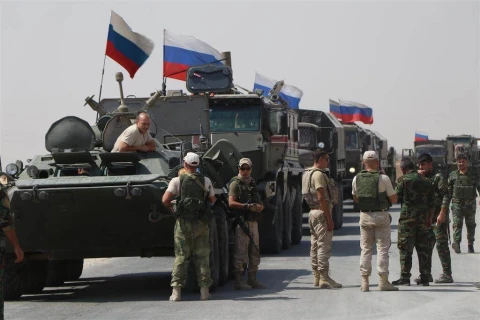
Moscow regards the legitimate Syrian opposition as a bigger threat than the YPG.
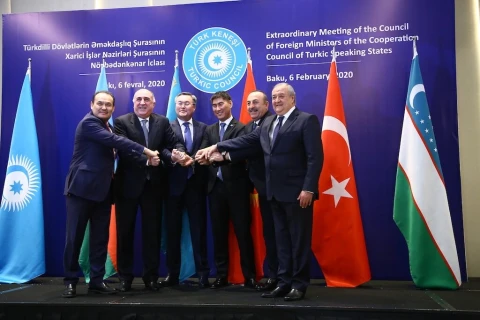
Russian experts admit that the Great Turan project is gaining popularity in the Turkic-speaking world, profoundly amplified by Turkey’s military successes and growing assertiveness.
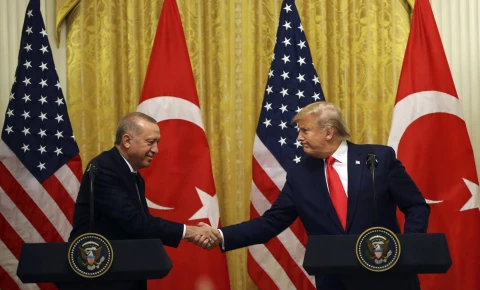
While Russia's mainstream media often focuses on the problematic relations between Turkey and the West, Russian think tanks hold a more measured tone.
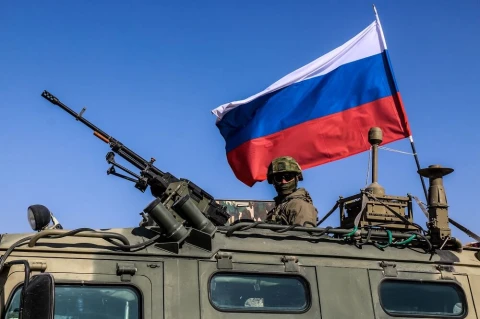
Turkey needs to change the balance of power in Idlib in its favor in order to have a stronger position in the tit-for-tat dynamic that Russia may try to create.
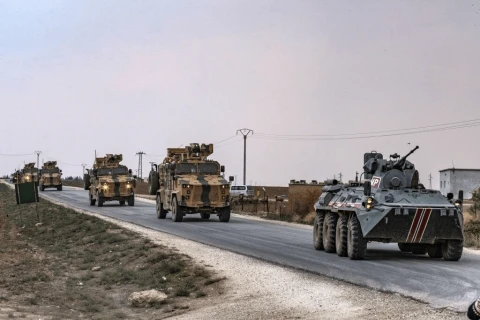
Vladimir Putin may have made promises he is incapable of keeping. The only way out for Russia would seem to be letting Turkey weaken the YPG to an extent which is manageable for the Russian military presence in Syria, or to clearly threaten the YPG with the strength of the Turkish Armed Forces.
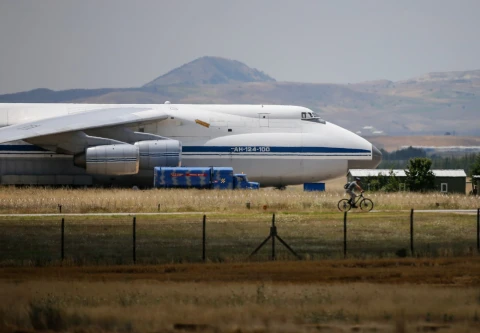
After S-400 case, we saw the new Turkey. One which the West and perhaps even the whole world will now have to accept. This is quite painful for the West.
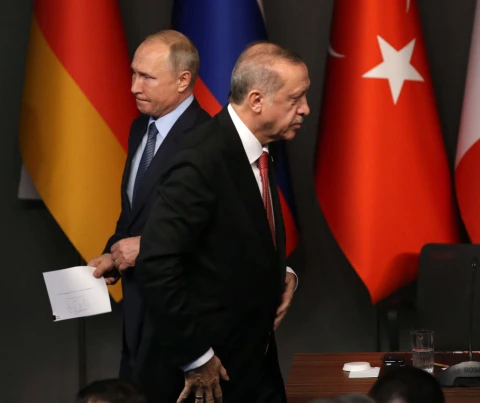
Russia is aware that Turkey maintains an independent foreign policy and establishing close ties with Moscow is beneficial to its interests. However, Russia also approaches Turkey with suspicion and intends to establish a strategy of balance.
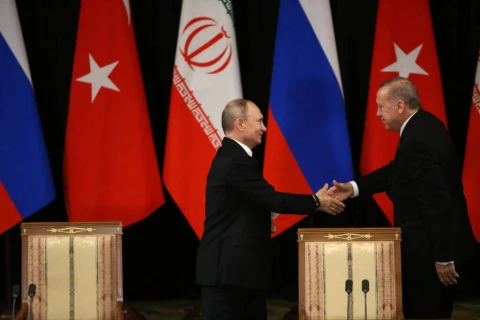
Russia and Turkey demonstrate a readiness, in spite of all differences, to hear and respect each other’s interests. This can be seen in Syria within the framework of the Astana process. However, whether the "21st Century Deal" in the military-political sphere will arise in relations between Turkey and Russia is a big question, considering Turkey’s NATO membership – which nobody doubts.
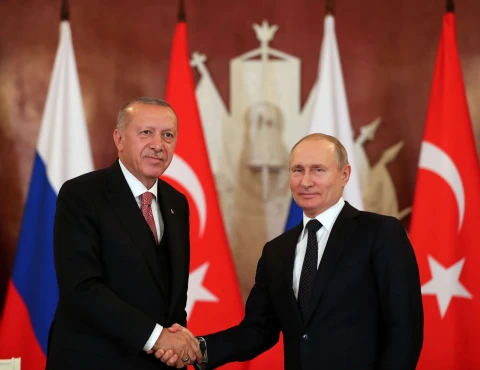
The main risks for the future of relations between Turkey and Russia are related to the exerting of external pressure and provocations in order to prevent their further development.
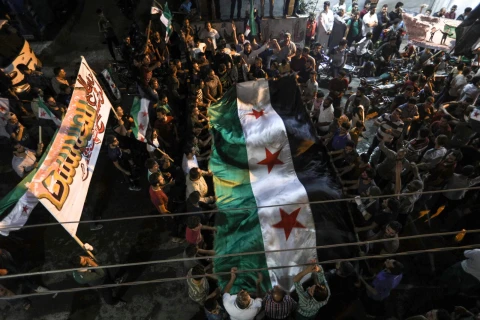
Turkey’s Idlib deal gave the rebels one more month to consider their options. It gave Turkey another month to make its preparations for the worst case scenario. It also presented another successful test for the Turkish-Russian cooperation in Syria.
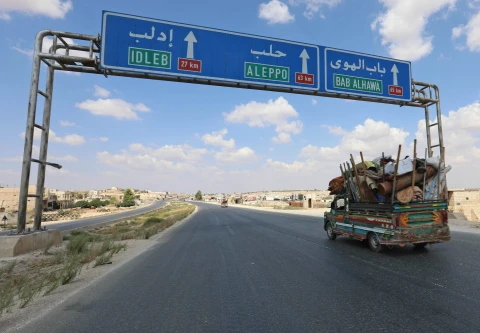
At this stage, the most important objective for Turkey is to solve the potential radicalization of the armed groups. If Turkey can deliver its objective, then it can keep its overall position in the Syrian civil war.