Why German Companies Want to Invest More in Turkey
According to a survey conducted in late 2021 by the German Chamber of Commerce Abroad (AHK), the majority of German companies in Turkey consider the country a favorable investment location.

According to a survey conducted in late 2021 by the German Chamber of Commerce Abroad (AHK), the majority of German companies in Turkey consider the country a favorable investment location.
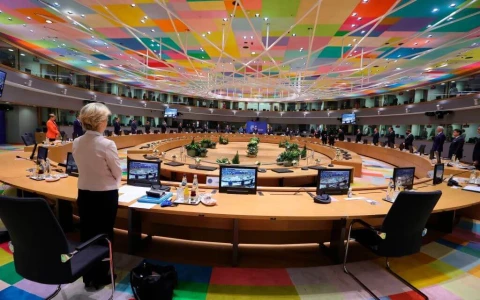
The EU is divided over sanctioning Turkey, with countries such as Italy, Germany, Poland, Spain, Portugal, and Malta standing against severe sanctions proposed by Greece and France.
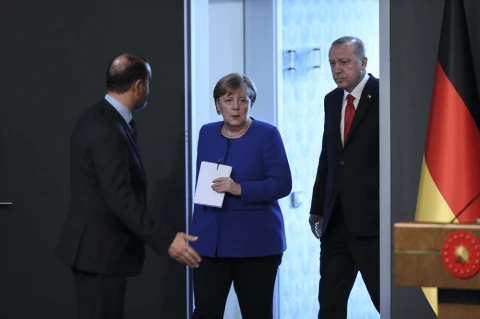
As long as formal and informal channels of dialogue are kept open, and a fair, reciprocal and unbiased relationship is established between German and Turkish authorities, then, there is always the chance to overcome difficulties.
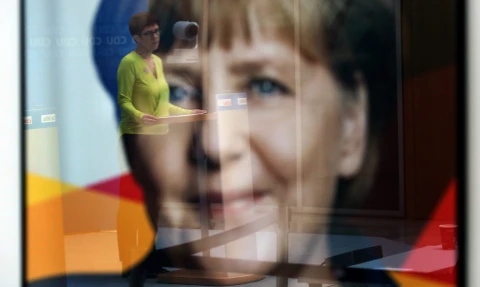
Politicians in Germany with certain future career goals regularly and insistently address similar populist and Turkey related topics. This is a fundamental problem for major conservative parties and circles.
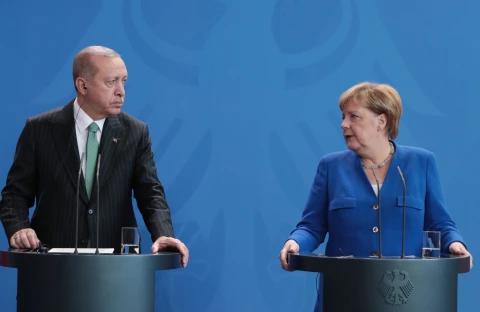
Turkey can rightly expect for the EU, and in particular for Germany, to leave its ideological foreign policy and to act in accordance with new international realities that are defined by multipolarity and rationality.
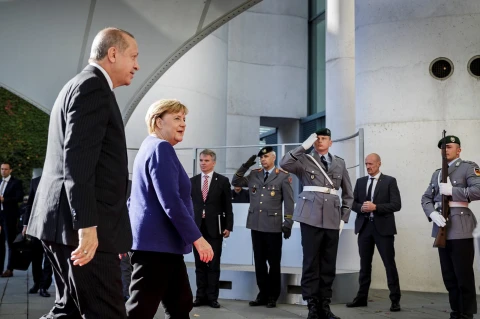
While on the one hand it can be stated that a new era is launched with Germany, on the other, the negative ambitions of several circles in Germany in regards to Turkey will continue.
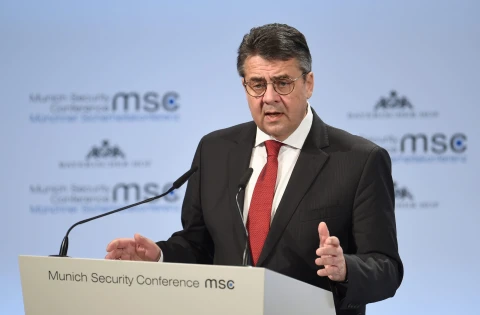
By warning that Europe would pay the price if Turkey was to become destablized by sanctions imposed by the Trump administration, Gabriel also added that if Europe does not do everything to keep Turkey a part of the West, “nationalistic forces” in Turkey could “reach for the atom bomb, as in Iran and North Korea, to make themselves unassailable.”
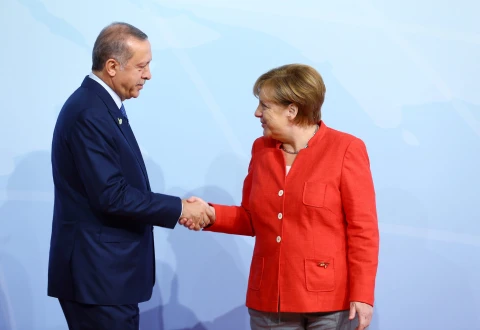
Even though Germany’s recent positive position regarding Turkey is based rather on economic interests and short-term goals, which are also based on President Trump's personal and similar negative attitudes against Germany, relations between Turkey and German might mutually benefit from this current situation.
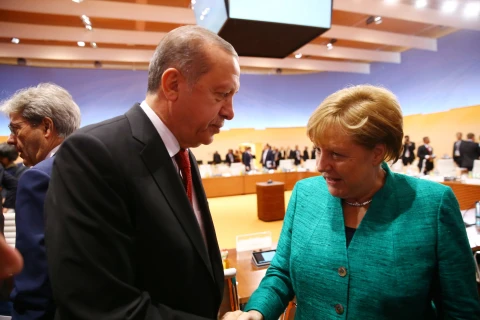
The Turkish President’s planned visit in September might enable the opportunity for both countries to broaden their horizons, to reduce tension and to deepen bilateral relations.
Germany’s reluctance to extradite coup plotters, failure to acknowledge the criminal status of FETO and open condoning of FETO atrocities despite ample evidence provided by Turkey and the criticisms directed by German opposition parties on the antidemocratic nature of FETO, is regarded to be “in stark contradiction with their supposed stance on democratic values and hurts bilateral relations.”
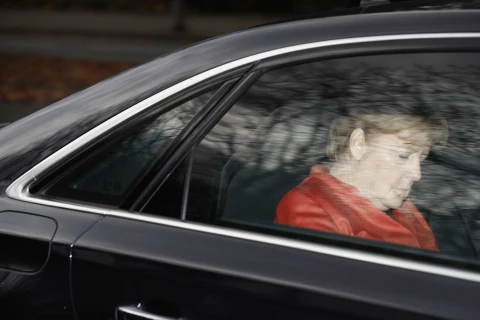
If the grand coalition is established and if it takes into consideration Ankara’s on-going willingness to cooperate more closely with Berlin, and thus materializes this opportunity, the German business community as well as her citizens will benefit from this to a great deal. As for Germany herself, it seems that any alternative scenario other than such a grand coalition would apparently force the country into a prolonged state of political crisis.