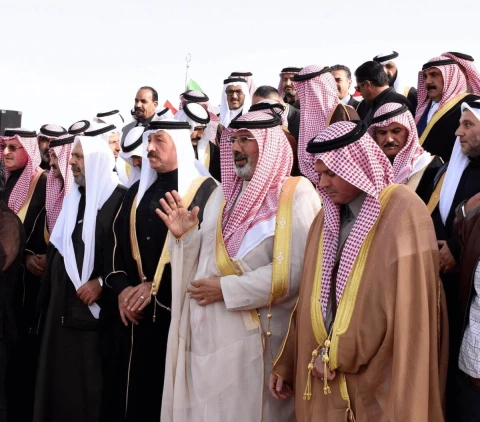
Syria’s Tribal Politics Critical to the Country’s Future
If Arab tribes in Syria are united under a single platform and given the chance to open diplomatic channels, a peaceful solution could be closer to reality than many think.

If Arab tribes in Syria are united under a single platform and given the chance to open diplomatic channels, a peaceful solution could be closer to reality than many think.
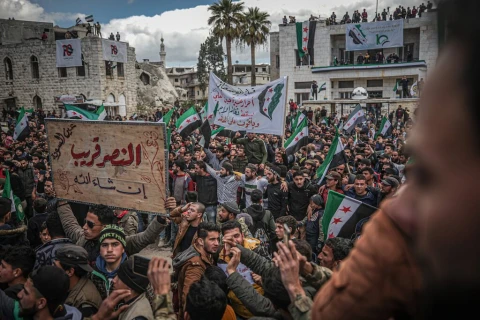
What is the future for Syria today?
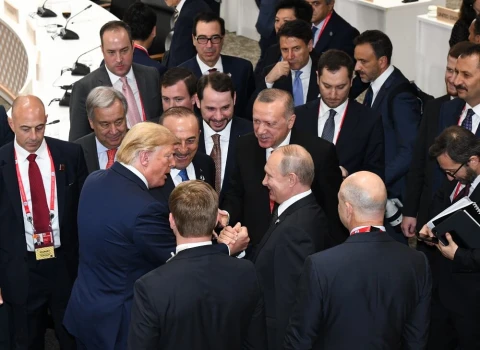
Turkey’s growing relations with Russia and the US will offer new opportunities for the de-escalation of the Syrian conflict.
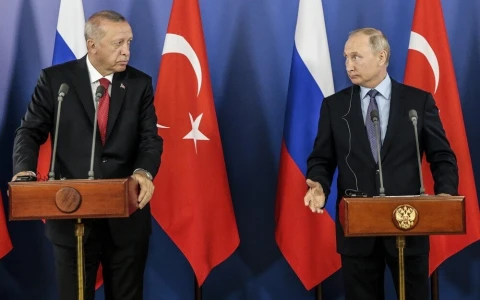
Russia has long argued for the reactivation of the Adana protocol to facilitate direct contacts between Damascus and Ankara, knowing that direct contact will change the diplomatic and political environment dramatically in favor of Russia and the Assad regime it backs.
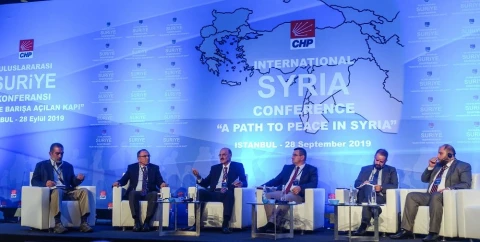
The CHP's controversial Syria conference report urges the Turkish government to work with the Syrian regime for a resolution and lacks serious attention to the YPG’s threat to Turkey’s security in the region.

One way to prevent a regime coalition offensive in Idlib would be if the U.S. stepped in. If the U.S. could come to a more balanced position between Turkey and the PKK it could allow for a so-called “NATO zone” that would put nearly half the country out of reach of the pro-Assad coalition, and place Turkey’s territorial holdings in Syria under the political protection, if not the military protection, of the United States.
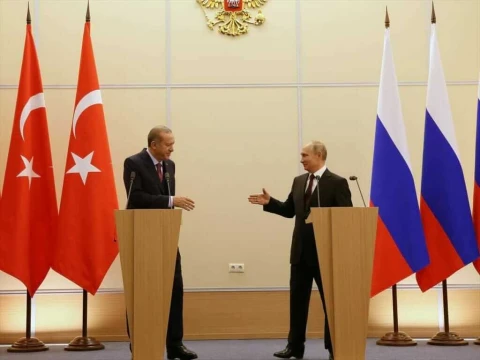
Turkish Ministry of National Defence announced that the withdrawal of heavy weapons from the demilitarized zone of Idlib was completed. The announcement underscored that “operations were ceaselessly underway to establish sustainable and enduring peace in Idlib within the framework of the consensus reached in Sochi.”