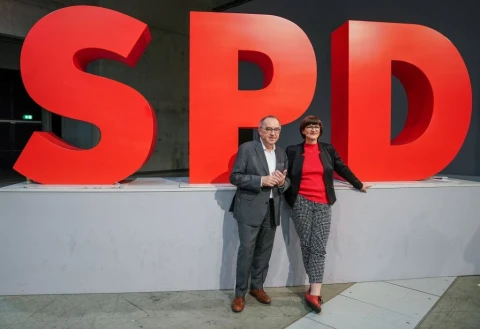
Germany’s Social Democrat Leadership Has Changed But Future Remains Shaky
The SPD decided to continue to support Merkel’s current grand coalition but it is likely that the new leaders will renegotiate the terms of their support.

The SPD decided to continue to support Merkel’s current grand coalition but it is likely that the new leaders will renegotiate the terms of their support.
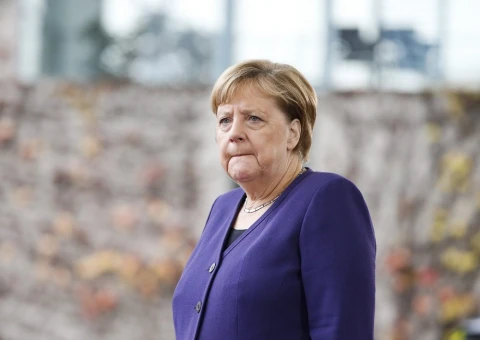
Over the past years the reputation and popularity of the SPD has gradually decreased, but whether this will fundamentally change by switching to the opposition is ultimately a risky gamble.
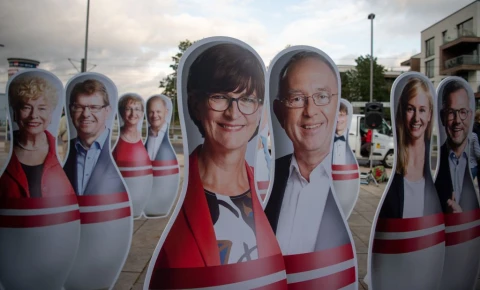
In the next weeks, SPD members will ultimately have a new chairperson on whom party members will set their hopes. However, in reality choosing new leadership will not guarantee that the existing obstacles within the party, and dismal predictions at the ballot will find any resolutions.
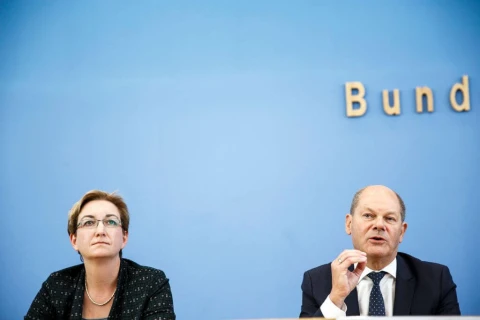
Germany does not have a political tradition where political figures are in the foreground brings some difficulties when finding a new leader for a party. Political parties are the main focus in German politics while individual political personalities are less decisive in the overall party structure.
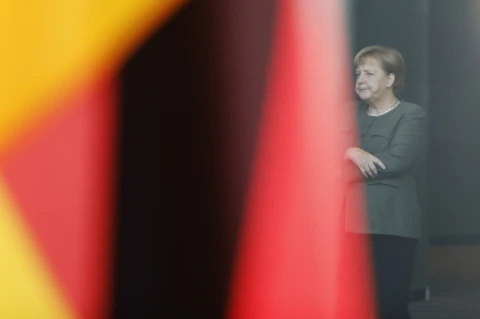
What would be the result in German politics if the head of the executive was elected with a popular vote? Perhaps this question might be on Germany’s future political agenda.
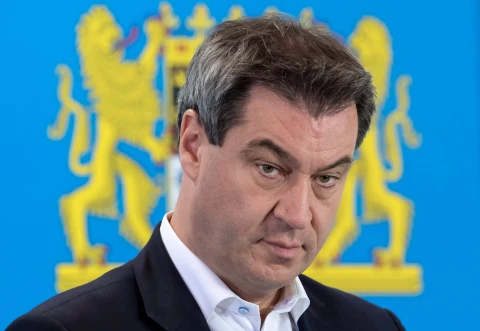
The elections to be held on Sunday will show how the future of conservatives in Germany will be shaped, how the fragile federal government led by Merkel will react to a major success of the AfD, and how the people will elaborate a likely shift to a more far-rightist and populist type of politics in general.