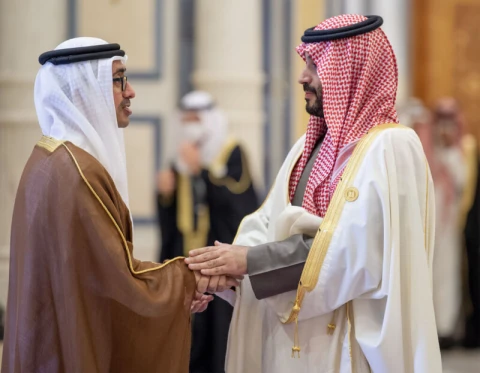
Yemen War or Gulf Rivalry? The Saudi Arabia-UAE Divergence
Abu Dhabi's open and comprehensive cooperation with Tel Aviv is perceived as weakening Saudi Arabia's claim to normative leadership in the Arab and Islamic worlds.

Abu Dhabi's open and comprehensive cooperation with Tel Aviv is perceived as weakening Saudi Arabia's claim to normative leadership in the Arab and Islamic worlds.
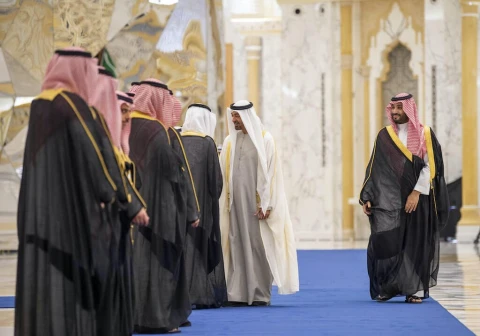
The UAE’s maneuver capacity can be related to the abandonment of religious themes in its foreign policy rhetoric.
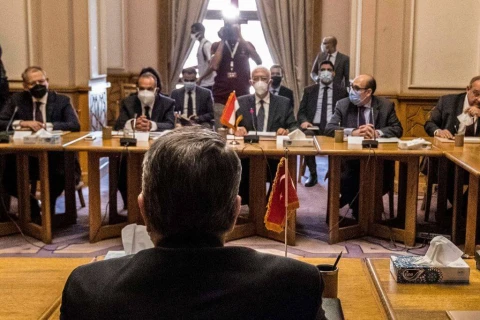
The Middle East has proven this several times: yesterday’s enemy could be tomorrow’s ally.
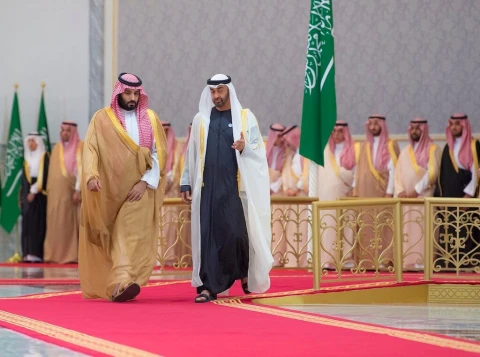
The Gulf states no longer hide their conflicts and see no harm in letting external actors publicly discuss them.

NSO offers security, but it also provides infectious viruses. With its Pegasus cyberattack tool, it does not aim to make the world safer but makes it more vulnerable, more at risk, and more afraid.
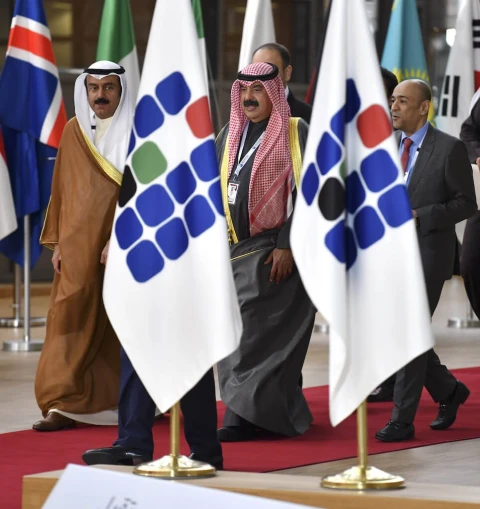
Time will show whether a second "Damascus Declaration” will be pursued as the Gulf countries come closer to Damascus and drift apart from Turkey.
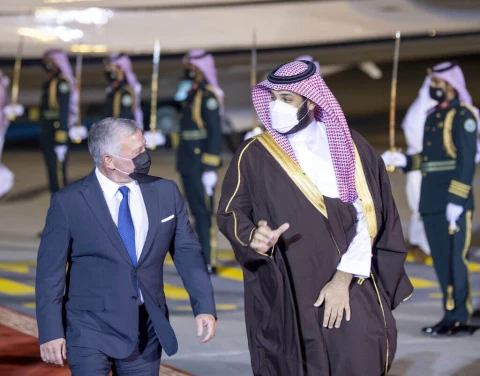
If Jordan’s political, economic, and social conditions were in a better state, there would be minimal chances of such an internal rift or foreign involvement.

Imran Khan’s contention that he did not ever have a "second thought" on the question of recognizing Israel until a just settlement acceptable to the Palestinian people is reached, might have displeased a few weighty voices within the country.
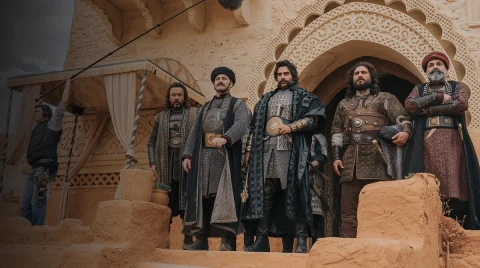
Kingdoms of Fire politicizes history and manipulates the past. This may harm the relations between Turkey and Egypt in the long run if not countered by a rational narrative. This historical drama is part of a cultural war going on in the Middle East. In this video, three experts Dr. Heba Raouf Ezzat, Dr. Vehbi Baysan and Dr. Yenal Göksun explain how and why Kingdoms of Fire manipulates the past by politicizing history.