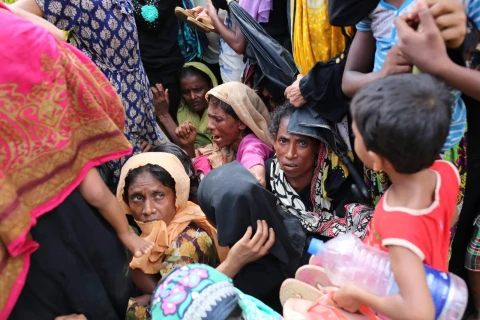
The ICJ Ruling on Rohingya Has Come Thus Far, Is It Far Enough?
The ICJ judges concluded that the only reasonable inference from the pattern of atrocities in 2017 was an intent to destroy the Rohingya.

The ICJ judges concluded that the only reasonable inference from the pattern of atrocities in 2017 was an intent to destroy the Rohingya.
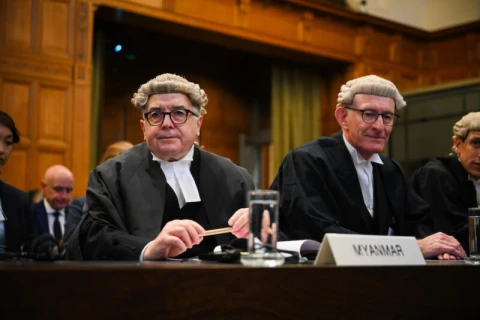
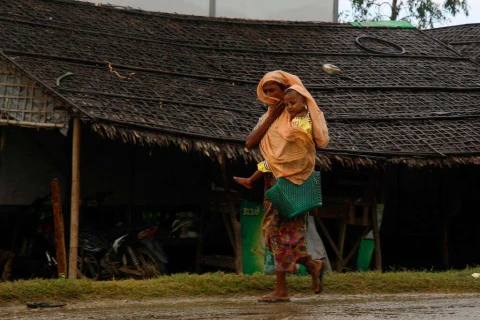
During the 2016 and 2017 crackdowns, Myanmar’s military burned villages, looted homes, and slaughtered civilians, forcing more than 740,000 Rohingya to flee across the border into neighboring Bangladesh.
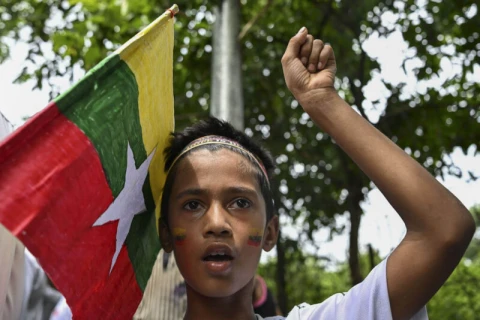
The Myanmar conflict is particularly complicated because the military junta in Naypyidaw is aligned with Moscow and Beijing, condemning its atrocities allows Western capitals to perform moral leadership at zero geopolitical cost.
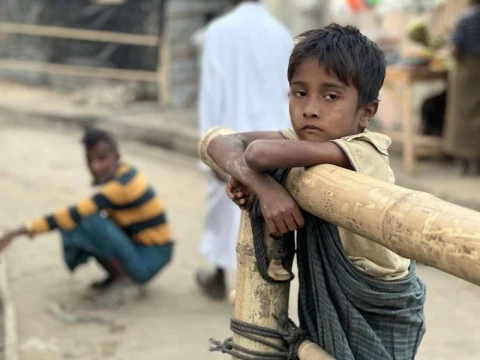
The influx of refugees from Myanmar to Indonesia has constantly increased in 2023, which caused local unease and protest in Aceh.
By not calling crimes against the Rohingya a genocide, the US falsely though it would steer Myanmar’s military away from Washington’s imperial rival, China.
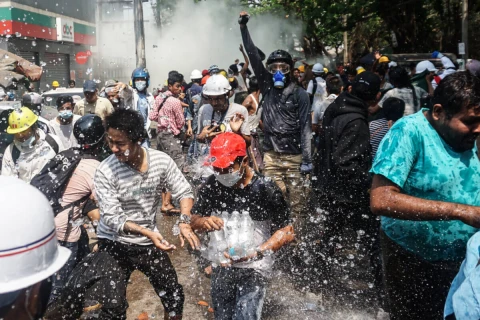
China and Russia are enabling and protecting the criminal regime in Myanmar that resorts to terrorism against its own people.
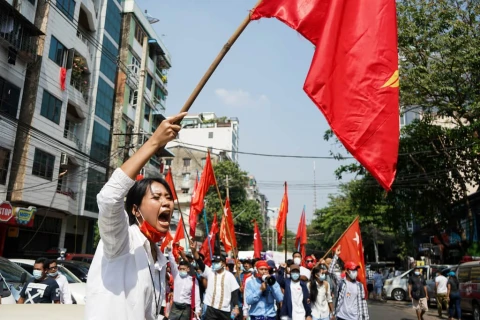
Whatever the outcome of the violent confrontation between civil society and the military will be, one thing is certain: the Burmese military has lost the nation irretrievably.
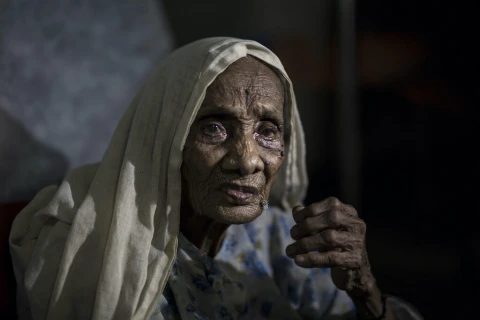
Without a shadow of doubt, some genocides are accorded more importance than others. This has to do with international politics.
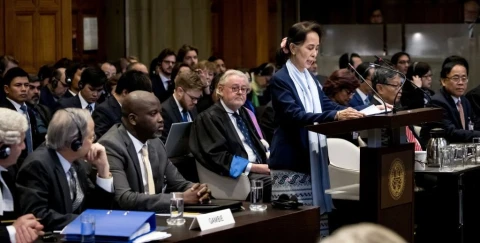
Gambia became the first nation to bring charges of genocide against another state to the International Court of Justice, setting a new precedent in moral leadership, foreign policy, and the protection of human rights.
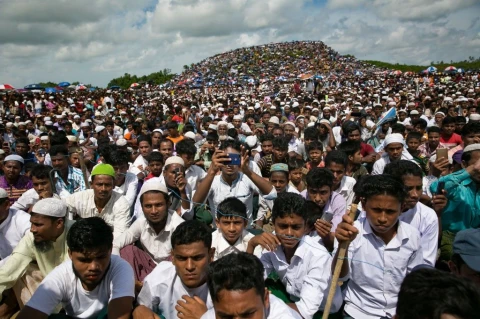
Turkish aid has nothing to do with the Rohingya refusal to repatriate. It is in fact Turkey’s commitment to the Rohingya people at the international and local level that provides an important source of hope.
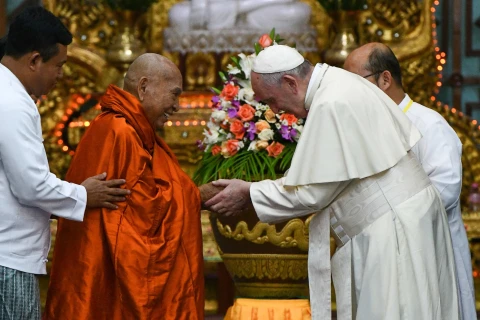
“The pope missed an opportunity to reinforce his previous messages that affirmed the rights of the Rohingya to self-identify and used the name that they had chosen for themselves.”
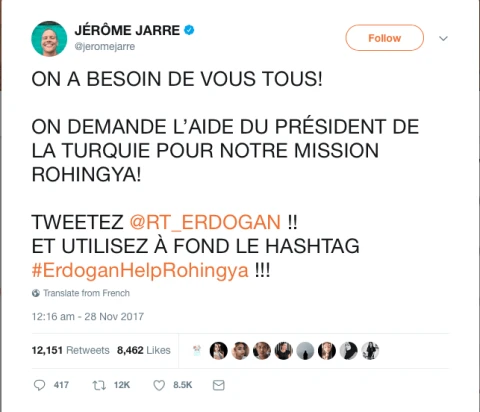
The “Love Army,” led by Jerome Jarre (@jeromejarre), made a call to President Recep Tayyip Erdogan for the Muslims in Rohingya this time first with the hashtag #LoveArmyForRohingya and later #ErdoganHelpRohingya on Twitter.
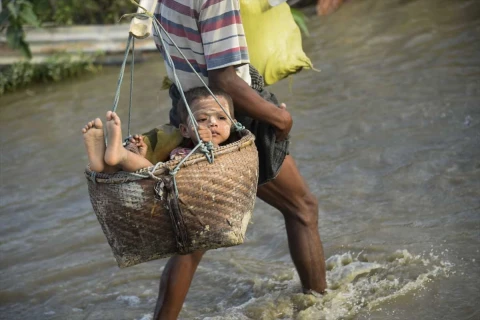
Germany, Sweden, Japan and the European Union offered their strong support to Bangladesh over the Rohingya issue.
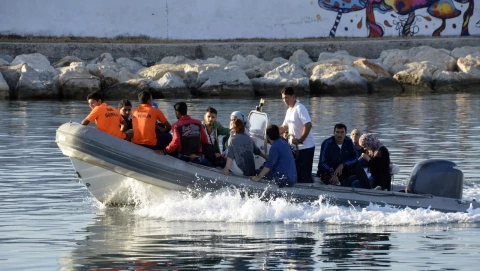
According to latest IOM figures, nearly 23,000 people passed to Greece from Turkey in the first 10 months of this year while the number was about 170,000 last year, and 780,000 in 2015.
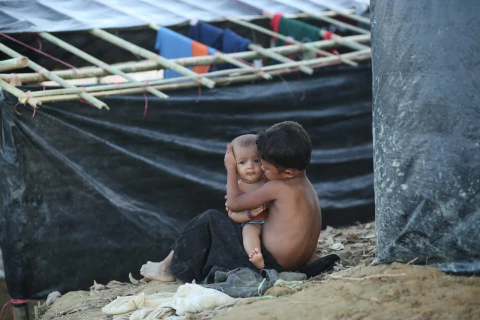
“The patterns of attacks are evidently conducted systematically. The vigilante group torch Rohingya homes, the Rohingya families flee and police open fire at them.”
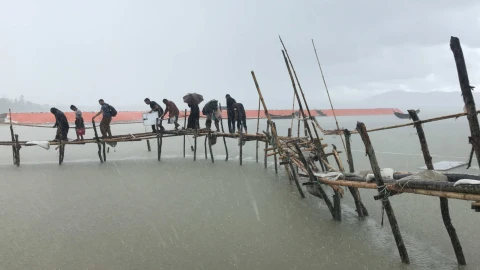
“We cannot be afraid to call the actions of the Burmese [Myanmar] authorities what they appear to be: a brutal, sustained campaign to cleanse the country of an ethnic minority.”
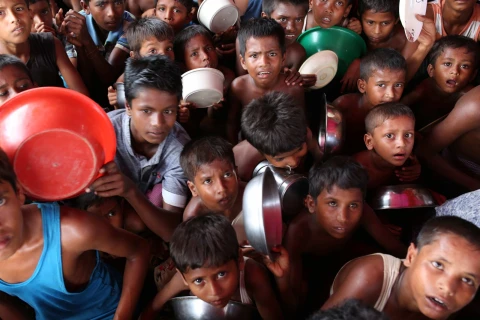
The leader of the Bangladesh National Human Rights Commission, Kazi Reazul Hoque, has called for Myanmar to face the UN court for crimes against humanity.
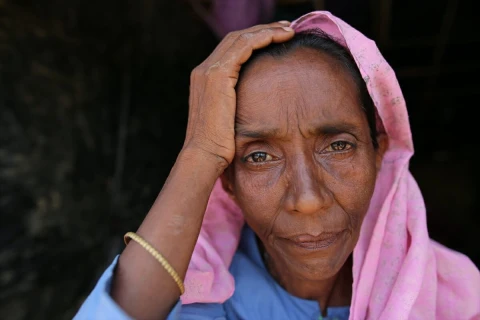
“Nearly 1 million Rohingya are being subjected to genocide and are fleeing to Bangladesh,” “we never said it was Buddhists who killed them..."