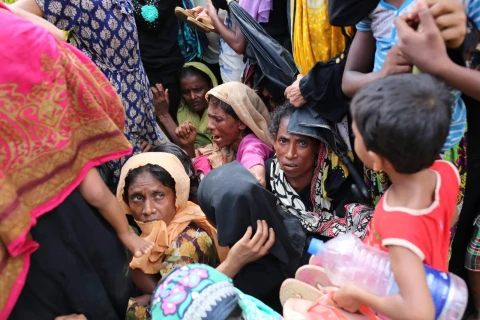
The ICJ Ruling on Rohingya Has Come Thus Far, Is It Far Enough?
The ICJ judges concluded that the only reasonable inference from the pattern of atrocities in 2017 was an intent to destroy the Rohingya.

The ICJ judges concluded that the only reasonable inference from the pattern of atrocities in 2017 was an intent to destroy the Rohingya.
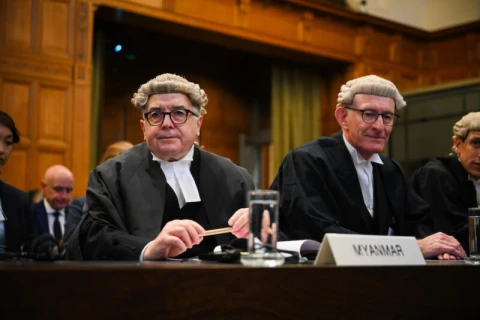
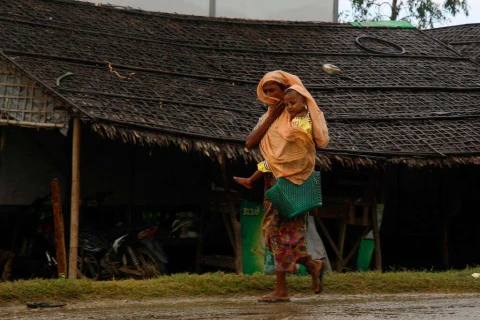
During the 2016 and 2017 crackdowns, Myanmar’s military burned villages, looted homes, and slaughtered civilians, forcing more than 740,000 Rohingya to flee across the border into neighboring Bangladesh.
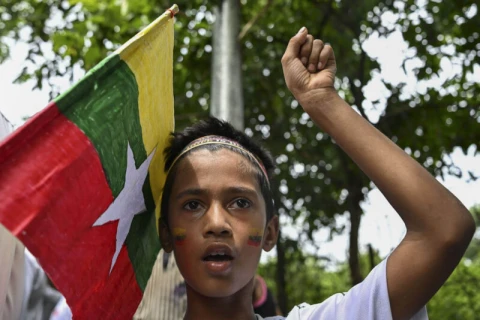
The Myanmar conflict is particularly complicated because the military junta in Naypyidaw is aligned with Moscow and Beijing, condemning its atrocities allows Western capitals to perform moral leadership at zero geopolitical cost.
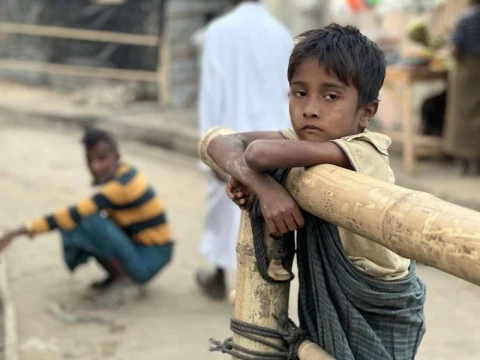
The influx of refugees from Myanmar to Indonesia has constantly increased in 2023, which caused local unease and protest in Aceh.
By not calling crimes against the Rohingya a genocide, the US falsely though it would steer Myanmar’s military away from Washington’s imperial rival, China.
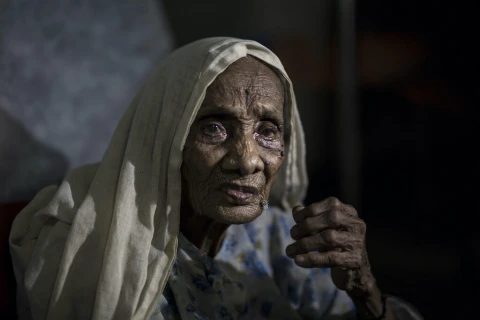
Without a shadow of doubt, some genocides are accorded more importance than others. This has to do with international politics.
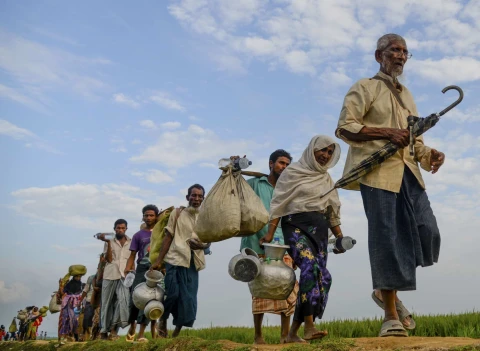
Security Council failure comes as the latest dash for Rohingyas who are facing state purge and ethnic cleansing in their home country that denies them recognition.
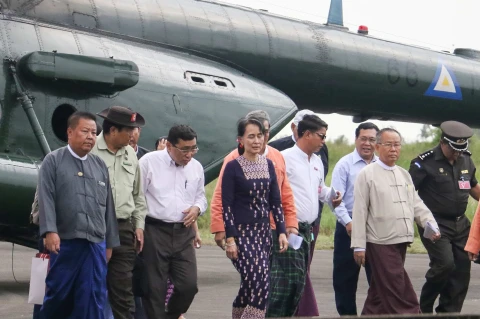
While Suu Kyi has stated that the Rohingya can return, there are concerns that the atrocities committed by the security forces and Buddhist mobs may continue.
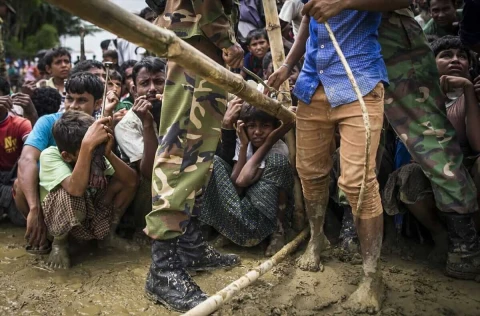
In addition to its humanitarian agencies, an announcement made by the Parliamentary Union of Organization of Islamic Cooperation (PUOIC) stated that a group of Turkish lawmakers will visit Rohingya Muslims in Bangladesh in order to assess the situation first hand.
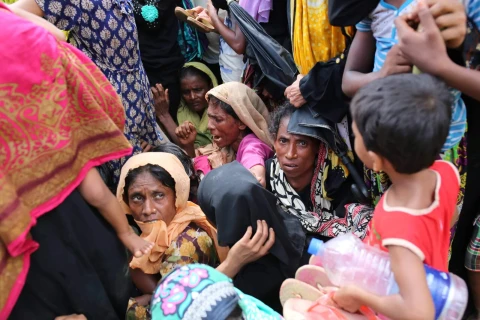
Latest announcements from the UN predict the current number of refugees in Bangladesh to stand around 420,000.
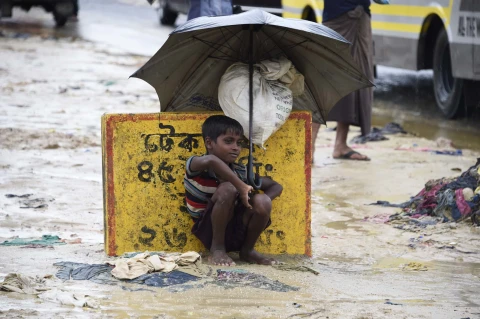
Total US humanitarian funding for internally displaces people in Myanmar and refugees since last October now stands at $95 million.
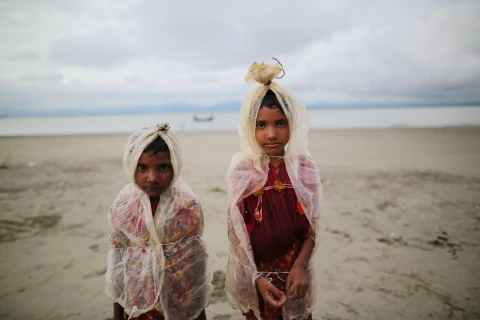
De facto leader of Myanmar, former Nobel Peace recipient, Aung San Suu Kyi, did not attend the UN GA due to increasing criticism involving her government in an ethnic cleansing.