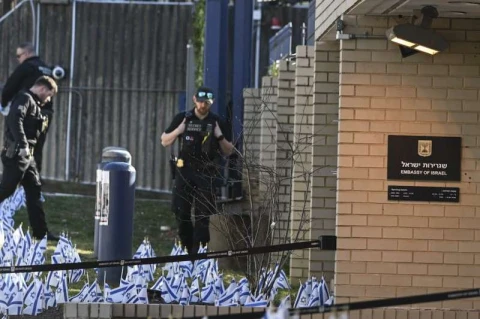
Evangelical Christians Volunteer in Israel to Support War Effort
Many evangelicals view Israel as central to an end-times prophecy that heralds the return of the Christian Messiah.

Many evangelicals view Israel as central to an end-times prophecy that heralds the return of the Christian Messiah.
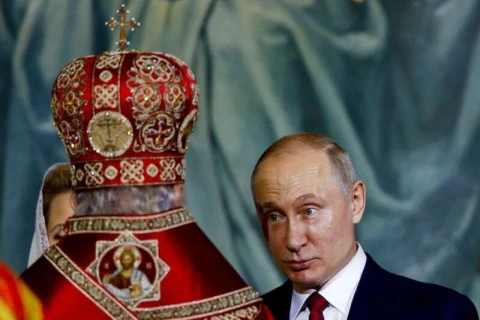
Russia will have to defeat the Church of Alexandria if it wants to extend the sphere of influence of Russian Orthodoxy in Africa.
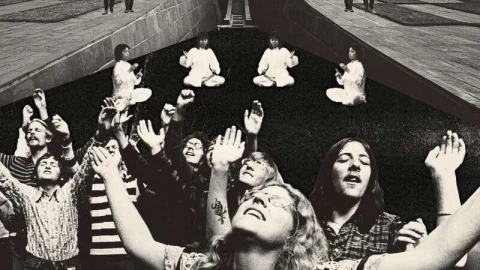
In the heart of Kenya's Shakahola Forest, a shocking discovery has unearthed a haunting story of tragedy and fanaticism.
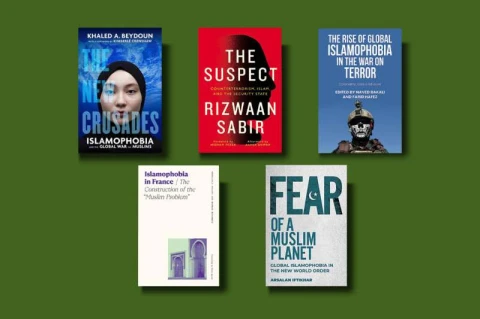
Recent books on Islamophobia show that its effects are far-reaching: systemic Islamophobia continues to cast a long and dark shadow over the lives of Muslims across continents. Here is this month's Book Bundle.
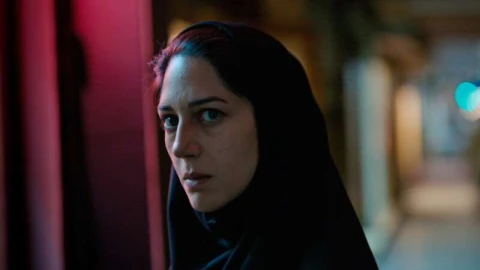
Hanai’s story could be a compelling subject for a crime, police, or horror movie, but the way this story is handled is ideological.
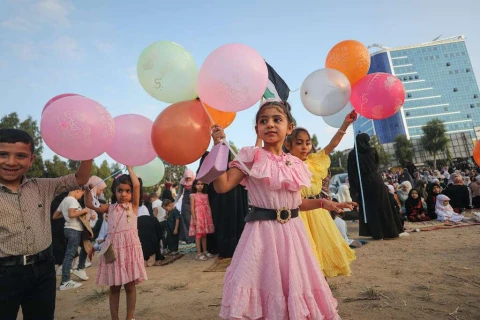
Giving Palestinians permits during Eid will not end the occupation nor will it make Israel look more tolerant and helpful to them.
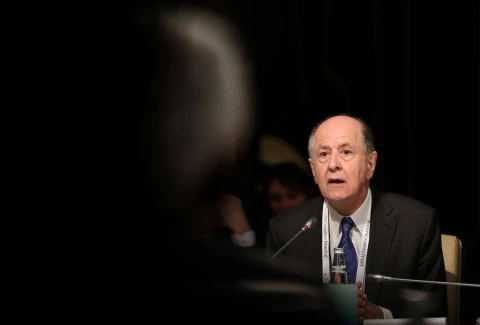
The Sauvé Report has been sending shockwaves across not just the Catholic institutions but the whole France.
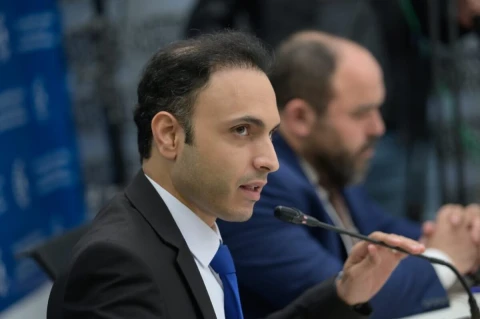
Eighteen years after the fall of Saddam Hussein, Iraqi Shiites are divided on the relationship between political power, ethnicity, and religious legitimation.
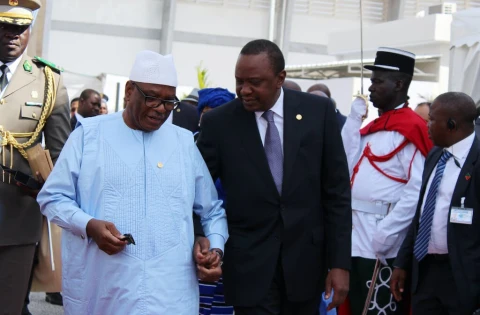
Participation of religious figures in African politics is a sensitive topic because of the confrontations it incurs between critics and supporters of secularism.
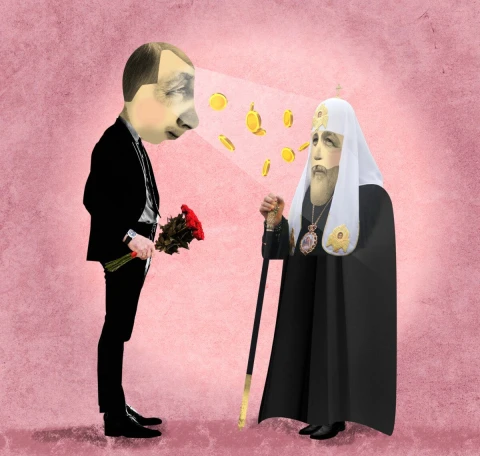
Once an effective ideology of geopolitical expansion, Orthodoxy today has been degraded to the level of trading in indulgences and can no longer influence Russia’s geopolitical course.
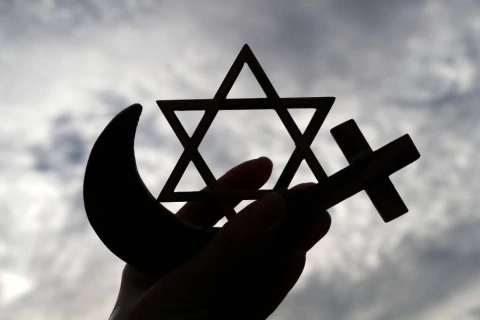
People are not more fervent believers than they used to be, but their identification to religion has certainly shifted, creating a conjunction of religious and political identities that facilitate political mobilization and sometimes radical actions.
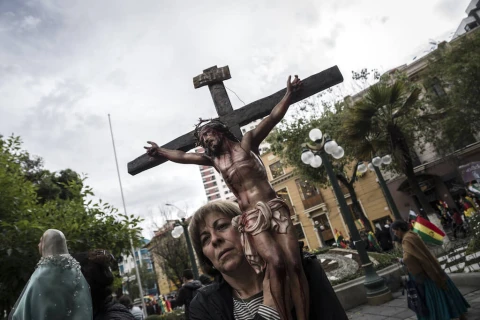
Evangelical communities are booming across Latin America. Today 20% of Latin Americans identify themselves as evangelicals and the marriage between politics and evangelicalism is more than simply convenient.
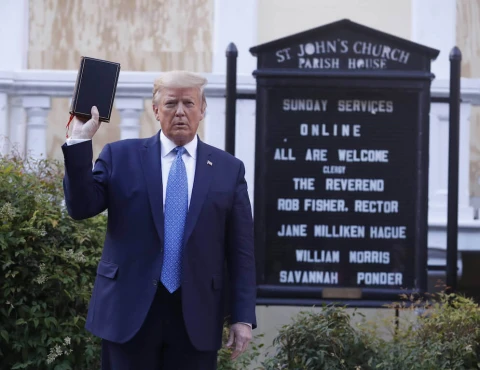
Will COVID-19 lead to increased nationalist exclusionary and defensive attitudes among the religious, or might it be the cure that leads to radical social reorientation with a new emphasis on collective solidarity?

Across the political spectrum, this is a period of the unknown; the neo-liberal or leftist perspective that has clamored for change away from an over-industrialized, air-polluting and ultra-capitalist world has remained largely ambivalent about the radical developments and grounding of global capitalism.
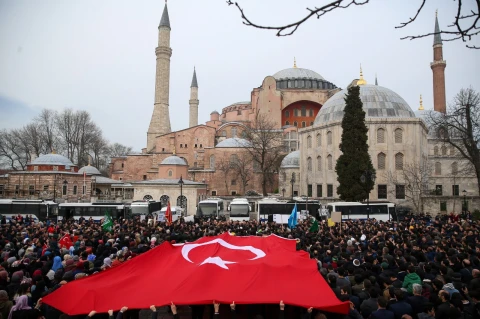
The European Parliament considers defending Hagia Sophia’s conversion into a mosque an extremism and underlines its opposition to that. However, the decision to open Hagia Sophia to the religious service of Muslims or keeping it as a museum belongs fully to the Turkish state.
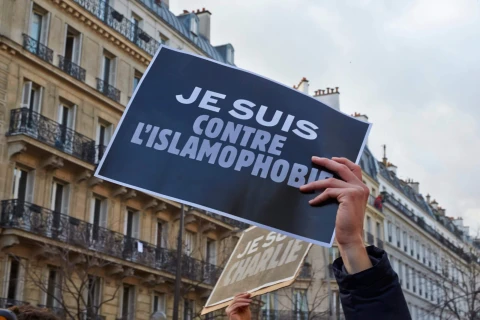
Associating a terror group with Islam is scandalous. Would have DAESH been called a “humanist terror group” had the group defined itself as a humanist organization fighting for human rights? Asking Muslims to be less visible in the public by departing from this shows the absurdity of the situation.
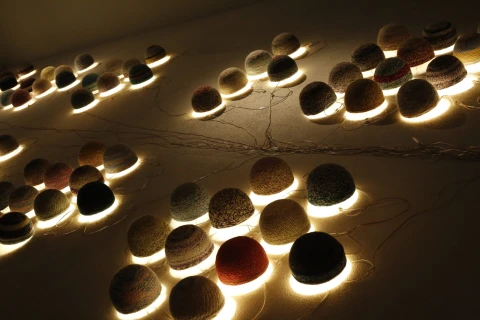
The Jameel Prize is ‘an award for contemporary art and design inspired by Islamic tradition’ and is currently on view at the V and A Museum until November 25, 2018. This is the fifth edition of the award and exhibition, which is organized by the Victoria and Albert Museum in London and the organization Art Jameel.
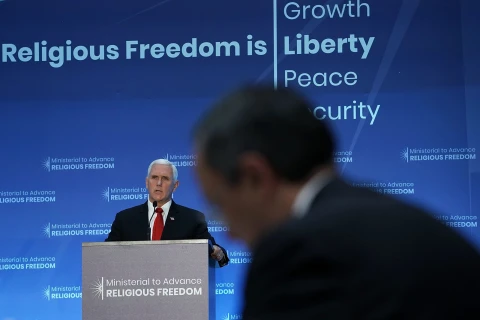
Of course, the threat is not because evangelicals believe in seven curses that will appear as signs of the apocalypse, that the apocalypse will begin in the Middle East and that they will one day rule the world thanks to Jesus Christ. The threat lies in the fact that they create policies to realize what they believe in and have secured a place for themselves in political power.