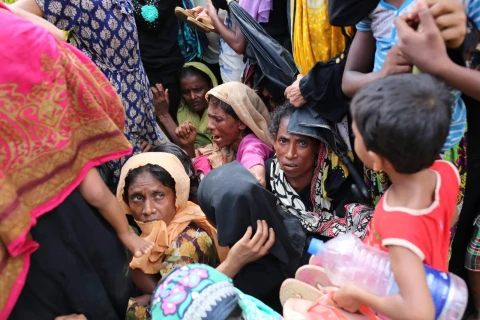
The ICJ Ruling on Rohingya Has Come Thus Far, Is It Far Enough?
The ICJ judges concluded that the only reasonable inference from the pattern of atrocities in 2017 was an intent to destroy the Rohingya.

The ICJ judges concluded that the only reasonable inference from the pattern of atrocities in 2017 was an intent to destroy the Rohingya.
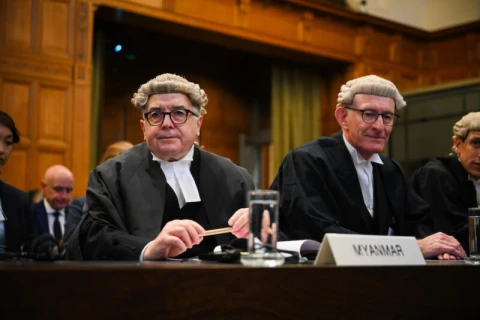
During the 2016 and 2017 crackdowns, Myanmar’s military burned villages, looted homes, and slaughtered civilians, forcing more than 740,000 Rohingya to flee across the border into neighboring Bangladesh.

The world will be watching closely to see how ASEAN members deal with one of Southeast Asia's most pressing regional conflicts.
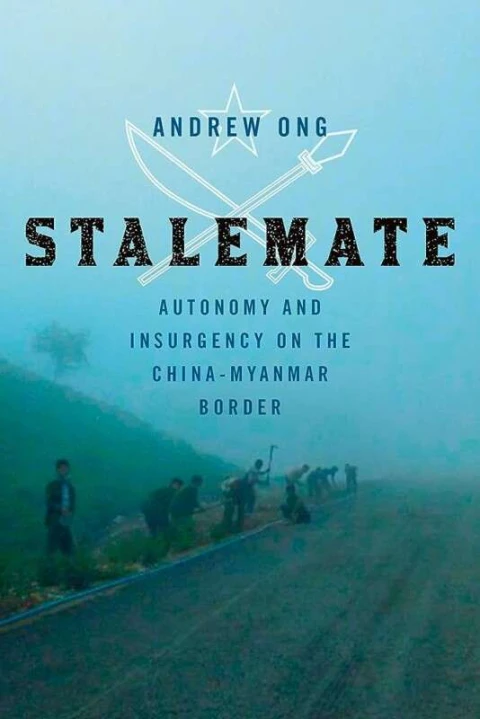
Often brushed aside as mere rebels or linked to drug trade, the United Wa State Army defies conventional expectations.
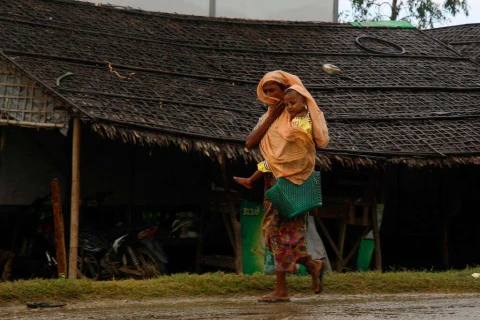
By not calling crimes against the Rohingya a genocide, the US falsely though it would steer Myanmar’s military away from Washington’s imperial rival, China.
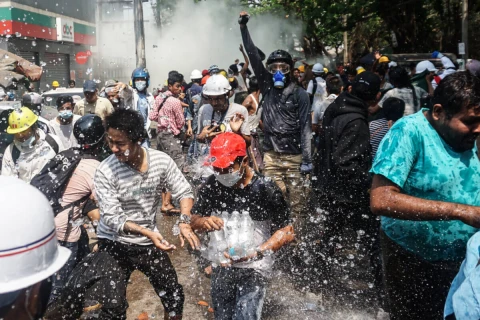
China and Russia are enabling and protecting the criminal regime in Myanmar that resorts to terrorism against its own people.
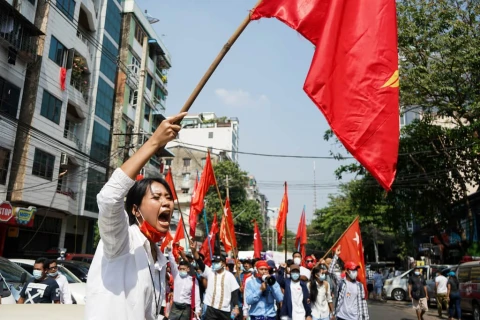
Whatever the outcome of the violent confrontation between civil society and the military will be, one thing is certain: the Burmese military has lost the nation irretrievably.
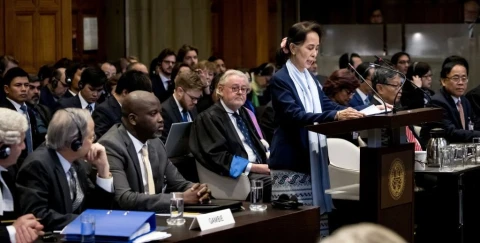
Gambia became the first nation to bring charges of genocide against another state to the International Court of Justice, setting a new precedent in moral leadership, foreign policy, and the protection of human rights.
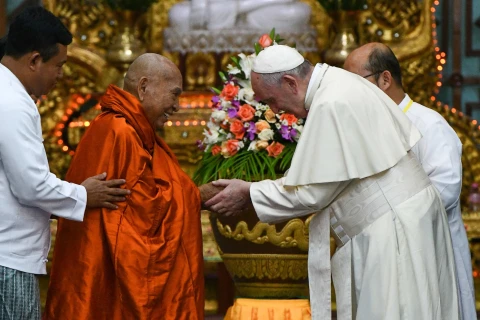
“The pope missed an opportunity to reinforce his previous messages that affirmed the rights of the Rohingya to self-identify and used the name that they had chosen for themselves.”
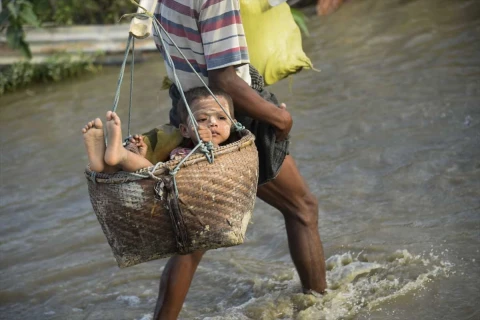
Germany, Sweden, Japan and the European Union offered their strong support to Bangladesh over the Rohingya issue.
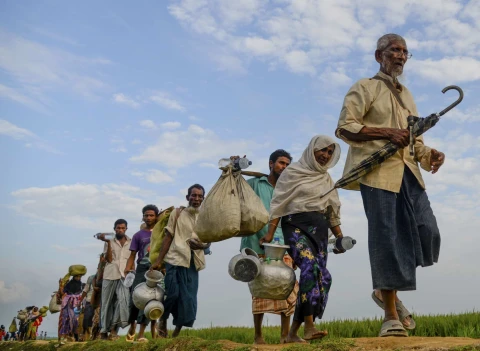
Security Council failure comes as the latest dash for Rohingyas who are facing state purge and ethnic cleansing in their home country that denies them recognition.
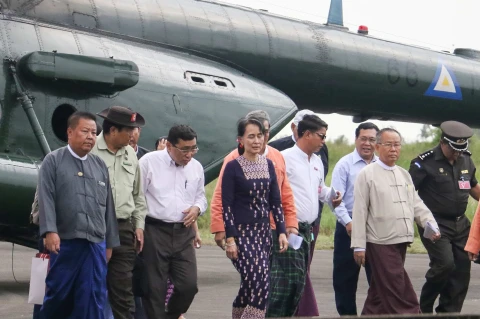
While Suu Kyi has stated that the Rohingya can return, there are concerns that the atrocities committed by the security forces and Buddhist mobs may continue.
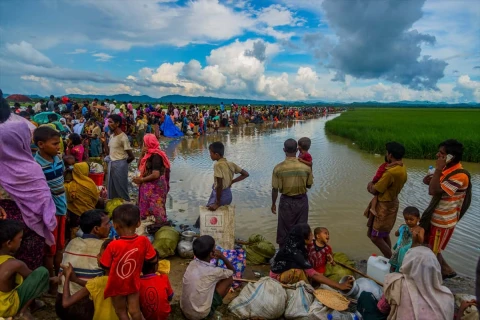
Filippo Grandi addressed Turkey as a “generous humanitarian donor,” following its pledge to spend $50 million on supporting Rohingya refuges.
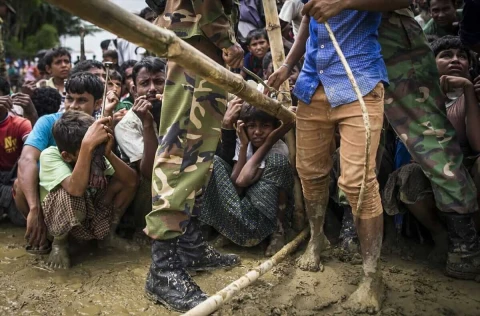
In addition to its humanitarian agencies, an announcement made by the Parliamentary Union of Organization of Islamic Cooperation (PUOIC) stated that a group of Turkish lawmakers will visit Rohingya Muslims in Bangladesh in order to assess the situation first hand.
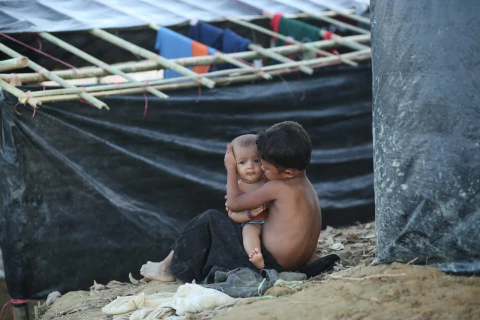
“The patterns of attacks are evidently conducted systematically. The vigilante group torch Rohingya homes, the Rohingya families flee and police open fire at them.”
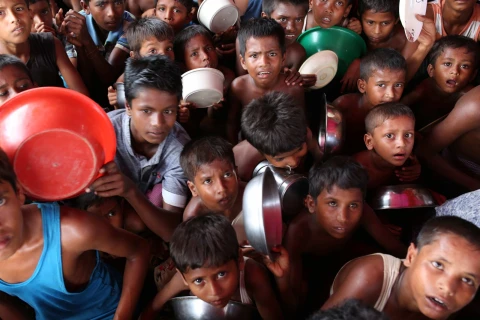
The leader of the Bangladesh National Human Rights Commission, Kazi Reazul Hoque, has called for Myanmar to face the UN court for crimes against humanity.
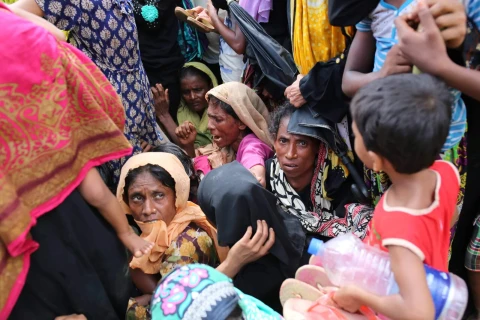
Latest announcements from the UN predict the current number of refugees in Bangladesh to stand around 420,000.
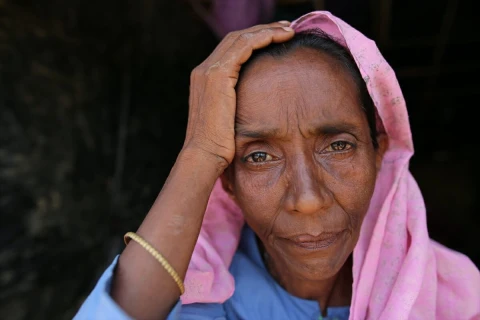
“Nearly 1 million Rohingya are being subjected to genocide and are fleeing to Bangladesh,” “we never said it was Buddhists who killed them..."