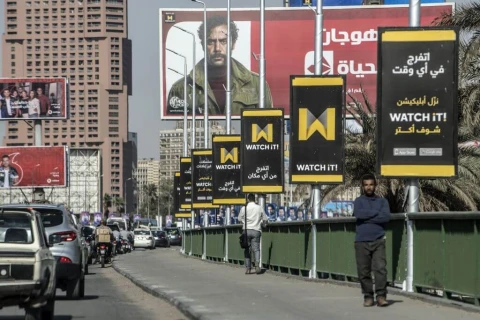
Egyptian TV Dramas and Self-Orientalism
By reproducing an originally Western image of Islamist groups, Egyptian filmmakers have created a self-orientalist image of their fellow citizens.

By reproducing an originally Western image of Islamist groups, Egyptian filmmakers have created a self-orientalist image of their fellow citizens.
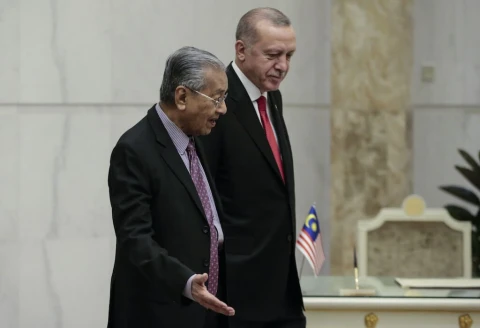
Turkey views Malaysia as its gateway to Southeast and East Asia, and likewise Malaysia sees Turkey as its doorway into the West Asian and European regions.
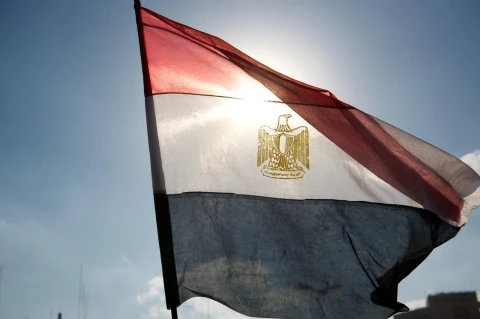
Sisi’s regime has not been able to provide political stability, find a solution to the economic crisis, and prevent deepening social inequalities and many Egyptians are willing to take the risk to make their voices heard.
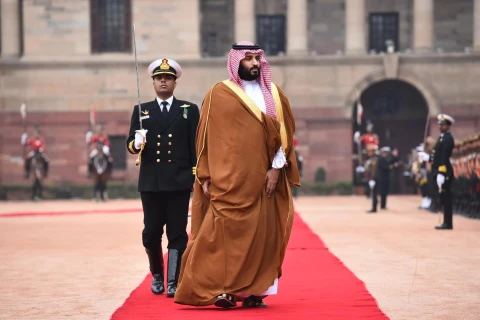
While Saudis generally perceive Islamists as a threat in general, the Sahwa scholars are considered as an existential threat. The regime wants to deter society and intends to do this by executing them in order to install an empire of horror.
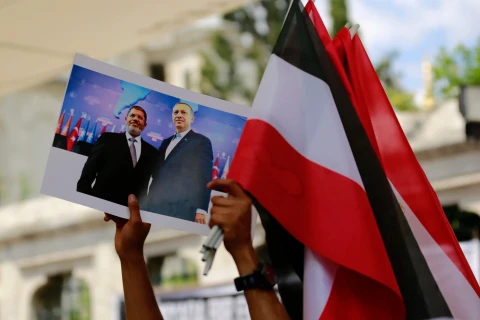
Morsi’s legacy will always be remembered and kept alive in Turkey. The democratic struggle of the Egyptian people will receive never-ending support from Turkish people who resect democratic values, human rights and freedoms.
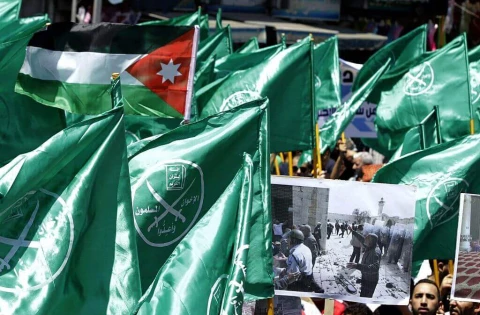
As the international community showed discontent to Trump’s recent designation of the Iranian Revolutionary Guard Corps as a terrorist organization, a similar decision about the Muslim Brotherhood will also face criticism and create repercussions for the U.S.
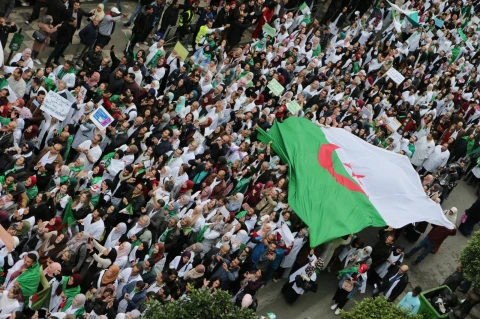
The Muslim Brotherhood's decision to nominate a candidate in the presidential election for the first time indicates that the movement aims to become a political force for a change in the country.
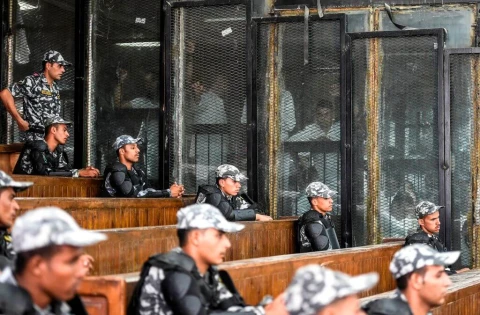
Since Sisi assumed power, the Egyptian judiciary has served to legitimate and facilitate the authoritarian rule. Other than a feigned opposition against the transfer of two islands - Sanafir and Tiran – to Saudi Arabia in 2016, the Egyptian judiciary has served as a channel through which Sisi presses his oppression.
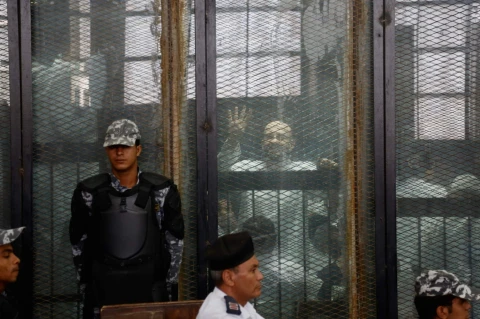
It’s clear that the current regime in Egypt – far from any form of democratization – dragged the country into a more totalitarian rule.
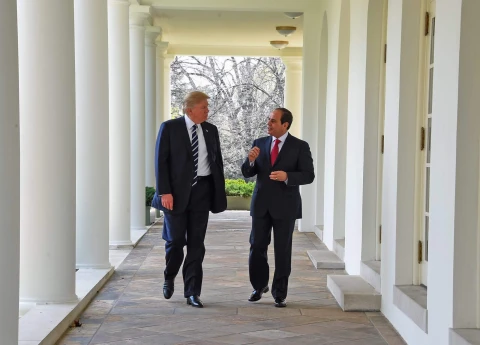
It should be underlined that the U.S. administration’s statements of democratization in the Middle East do not reflect reality. Rather, Washington is currently the largest obstacle for democratic governments in the region.
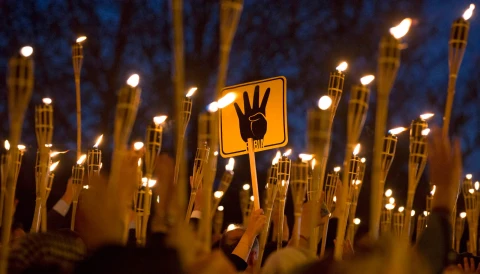
The Rabaa massacre will always be remembered as a crime against humanity conducted by the post-July 3 military regime in Egypt. With snipers killing hundreds of peaceful protests, people being burnt alive or killed under military vehicles, August 14, 2013, was, without doubt, the darkest day in Egypt’s history.
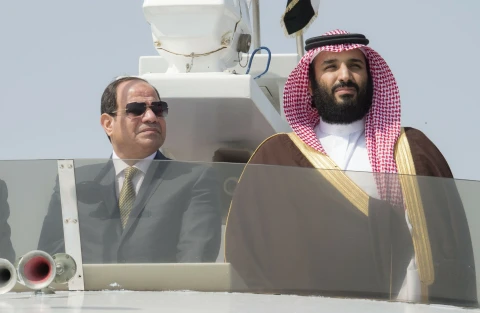
It is obvious that the current Egyptian regime cannot follow an independent foreign policy. It is simply because the Sisi regime is directly or indirectly controlled by the actors that supported the military coup in 2013.
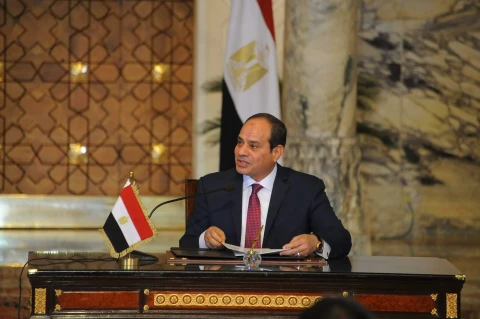
Unlike previous initiatives that were mainly focused on Islamic movements, the Sisi regime will be targeting secular and socialist opposition, hoping to permanently eliminate all kinds of opposition towards the regime.
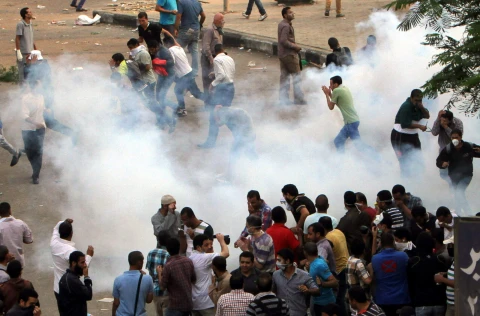
Egypt’s operations in the Sinai take place through direct consultation with Israel. As relations between the two countries grow to a strategic alliance, Cairo and Tel-Aviv may join their efforts to restructure the Northern Sinai.
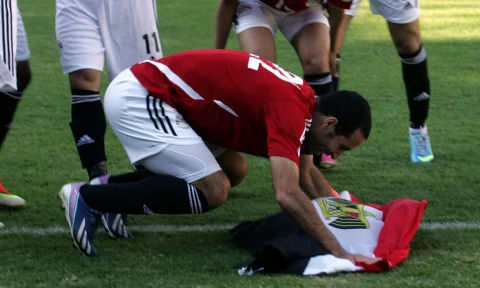
One of the unlawful practices of the regime is placing individuals on a terror list. Once placed, suspects are issued travel bans and their properties are confiscated. This practice is increasingly instrumental for the Sisi regime and applied particularly to Muslim Brotherhood members.
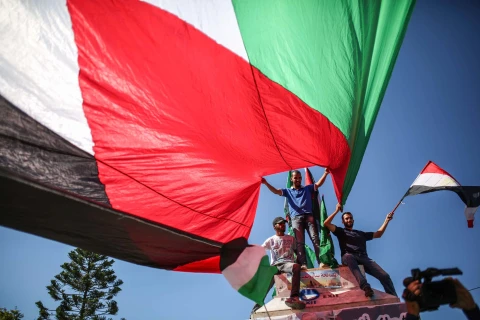
During a period in which Qatar is subject to regional isolation, where Turkey is busy in ruling out immediate threats as part of its foreign policy, and where the political bloc inclined to the Muslim Brotherhood is in eclipse across the Middle East, the most reasonable strategy Hamas could adopt in order to remain as an element of the equation was to agree on the unity government.
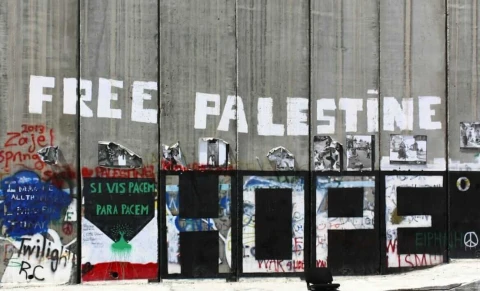
Last month, two developments that are of vital importance for Palestinian politics occurred. First, the Hamas movement released its much-anticipated new political document, which employs a new strategy with regard to both the international community and the Fatah movement; and second Khaled Mashaal, who was assigned as Hamas' political bureau chief in 1996, announced on May 6 that he quit his office and Ismail Haniyeh would replace him.