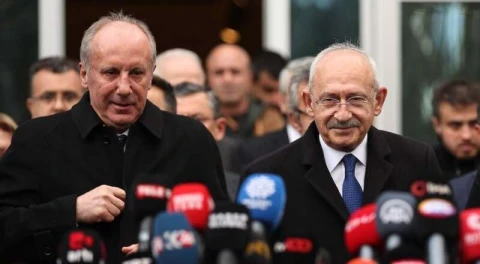
Why Muharrem Ince Is a Headache For Kemal Kılıçdaroğlu
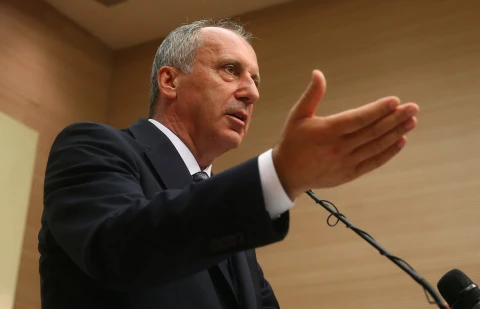
The CHP elite, with their media power, often threaten Muharrem Ince and accuse anyone who does not support Kılıçdaroğlu of being an “Erdoğan supporter.”

The CHP elite, with their media power, often threaten Muharrem Ince and accuse anyone who does not support Kılıçdaroğlu of being an “Erdoğan supporter.”
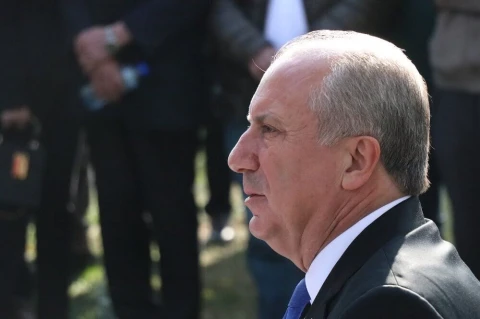
It is certain that this latest incident is related to the ongoing conflict between two splinter groups within the party: the Kemalist/nationalists and the leftists.
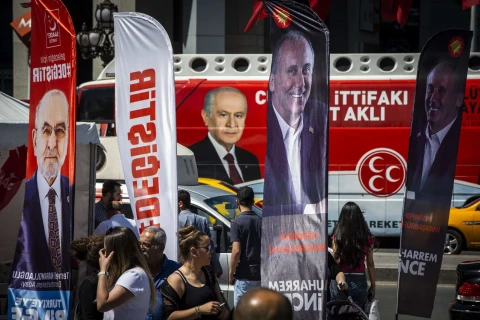
The local elections to be held in Turkey in 2019 will take place in a rather general elections atmosphere, as has been the case in previous local elections in Turkey.
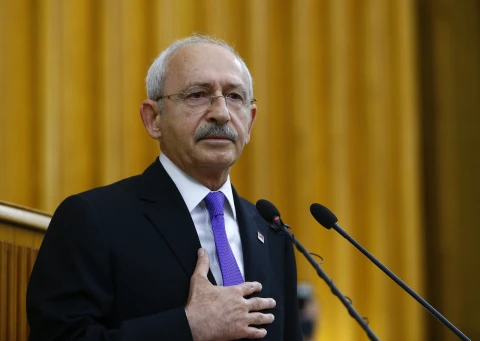
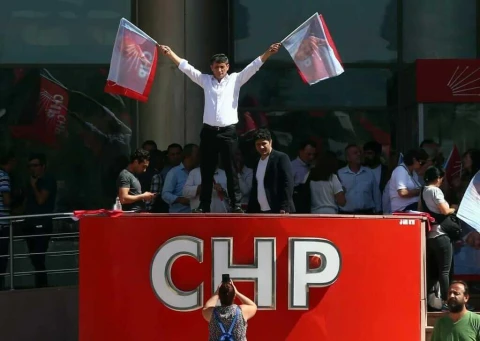
The latest meeting of the CHP drove a bigger wedge between the CHP leadership and the party’s supporters. If the party cannot find a cure to heal this relationship, it may face a larger intra-party split in the following days.
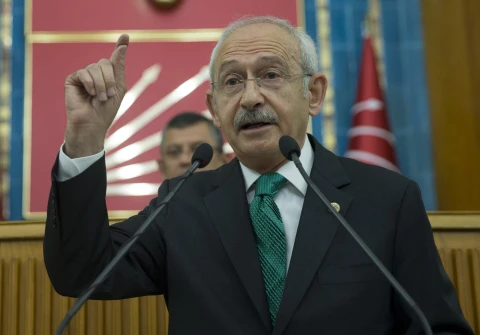
Sad, isn’t it? The CHP and its leader Kilicdaroglu, who faced nine election defeats, did everything to hinder Ince’s competing in the convention although they had presented Ince as the presidential candidate only two months ago. Amid all the debates, Kilicdaroglu contented himself with changing the Central Executive Board for the tenth time.
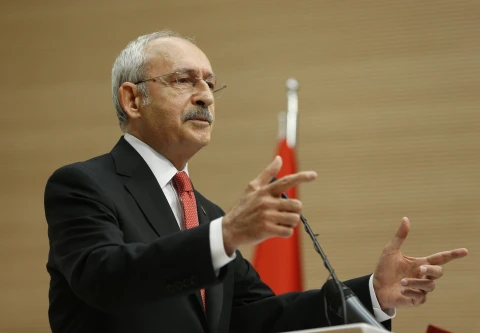
If the internal political rivalry within CHP continues, the party will have to pay a heavy price of losing more and more votes. Will the factions within CHP come up with different strategies in the following days? Well, this is the matter of curiosity nowadays.
As one pro-CHP surveyor once stated; “even if Ismet Inonu or Bulent Ecevit were to lead the party today, its votes would not exceed 35 percent.”
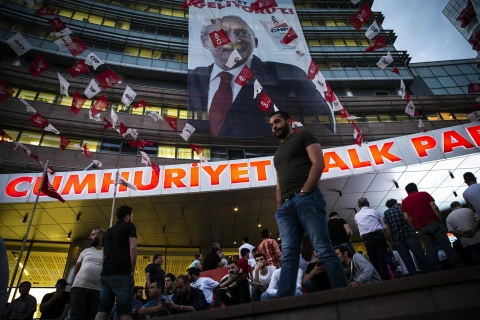
The trauma experienced by the CHP electorate since the election day is surely in the realm of psychiatry. However, an odd picture is revealed considering the reason for the CHP deputy chairs’ announcements, the claims of rig and the following confessions, and some groups call upon people to take to the streets.
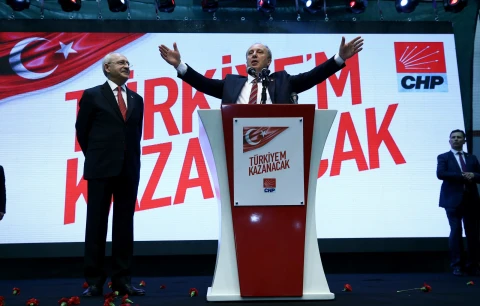
Despite all the similarities, there is a significant difference between the latest mobilization of the opposition movement and the previous ones. The opposition movement now has a popular candidate for leadership who attracted the masses more than Kilicdaroglu: Muharrem Ince.
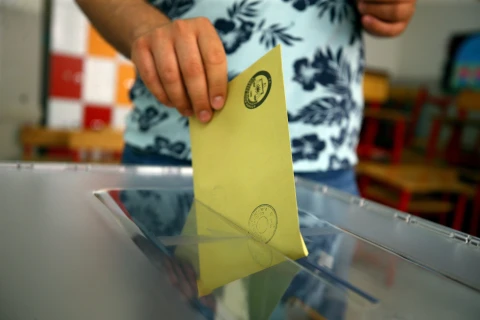
The June 24 elections were the first general elections that were held in the aftermath of the failed military coup attempt on July 15, 2016, and as such they represented the dawn of democratic normalization and a potential end to the state of emergency that was declared after the coup.
It would not be wrong to state that the main objective of the opposition parties, which was to block Erdogan from winning in the first round and to cause a “divided government” between the legislative and executive branches ultimately ended in a fiasco.
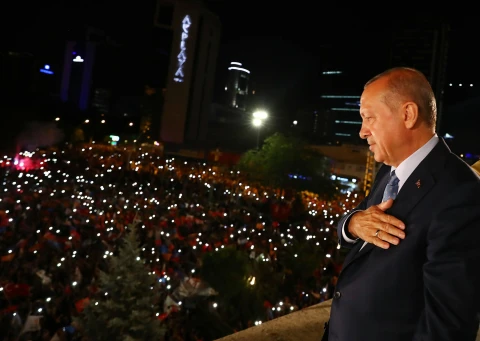
Having handled serious domestic and foreign policy crises over the years, including party closure cases and a failed coup attempt, Erdogan’s campaign for the presidential system has been accepted by the Turkish electorate.
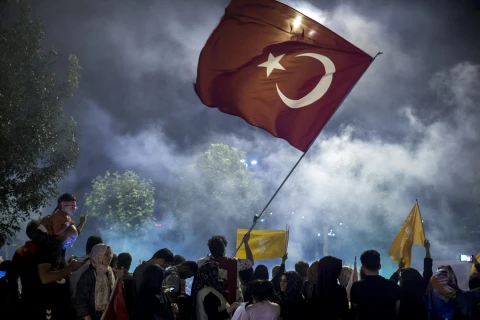
The turnout in the elections was higher than 85 percent, which proves the health of Turkish democracy compared to other democracies in the world.
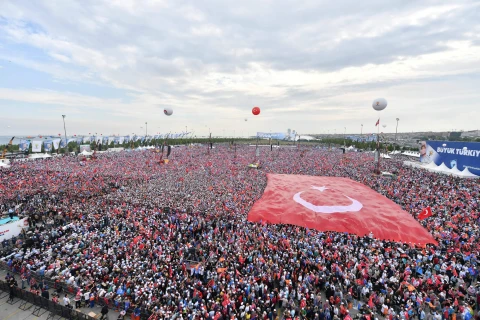
It’s striking that Ince makes use of populism by not explaining several promises in depth. For instance, Ince declares that he has no problem with women who wear headscarves while he does not explain his previous and well-known anti-positions just some years ago.
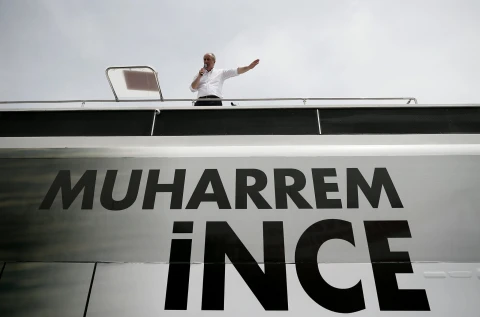
As a reaction, equilibrium or a kind of reparation with respect to the CHP’s left-nationalist voters, who are somewhat angered and irritated due to Muharrem Ince’s conservative-friendly and pro-Kurdish discourse, Ince makes use of populism. By this, he targets the Syrian refugees in Turkey while stating that he plans to send them back to Syria when he is elected president.
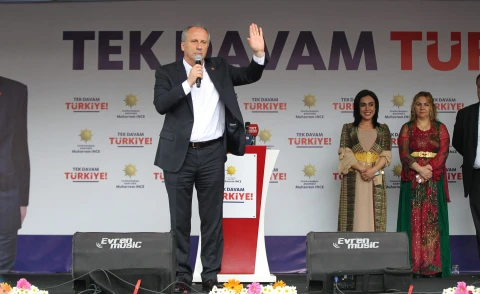
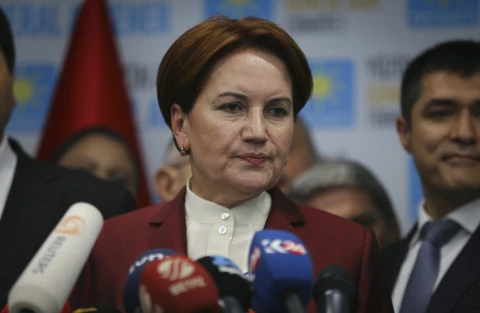
As Ince continues his appeal to HDP voters, Aksener’s constituency and the secular nationalist CHP constituency will also distance themselves from Ince. Under such circumstances, the odds for Ince are still too low to expect a victory against Erdogan.
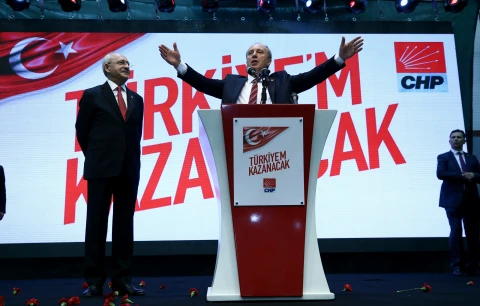
While all major Turkish political parties nominated their de jure or de facto party leader as their presidential candidate, the CHP preferred a strange move that does not aim to win the elections but rather to guarantee Kilicdaroglu’s political future.