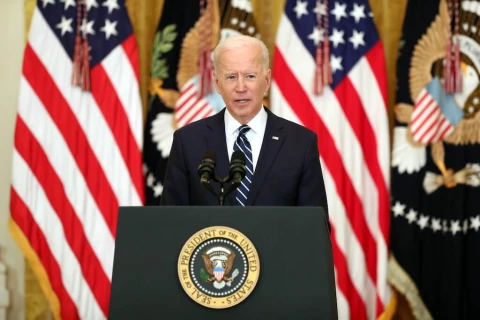
Biden’s Recalibration of Saudi Relations Could Spell the End of MBS
Mohammed bin Salman has only one path to staying in power: to look for legitimacy from his own people rather than from Washington D.C.

Mohammed bin Salman has only one path to staying in power: to look for legitimacy from his own people rather than from Washington D.C.
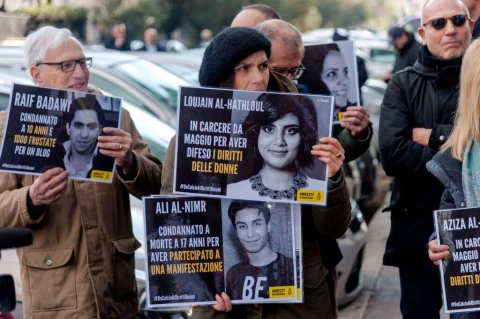
The reform initiatives led by Mohammad bin Salman do not aim to establish a genuine democratic regime in Saudi Arabia, but rather increase the authoritarian nature of the ruling class.
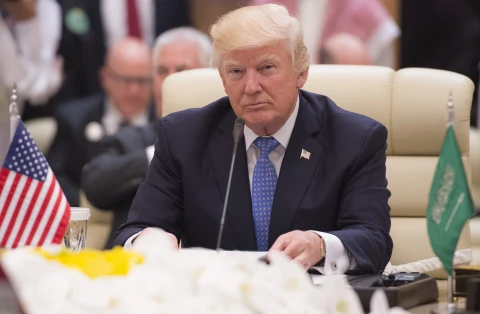
The future of the Trump administration in U.S. politics, the process of political transformation in the region and the deepening of the political divisions between the Gulf countries can be stated as the most important obstacles of the Trump administration's Middle East Strategic Alliance project.
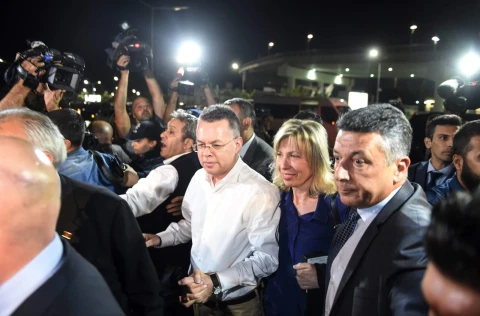
The most striking feature of the Brunson case is that the U.S. has resisted to understand Turkey’s new foreign policy, and this led to a crisis between the two countries.
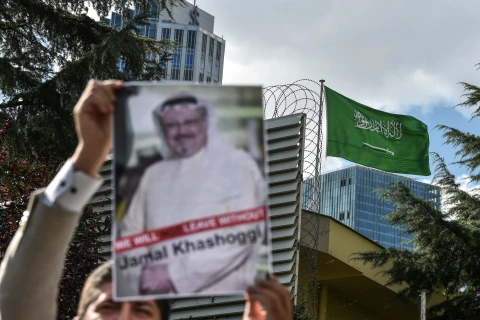
The practice of “enforced disappearance,” which has been employed by countries such as Egypt and Saudi Arabia, against the dissidents of the regime, is against human rights and is considered a crime against humanity under international law.
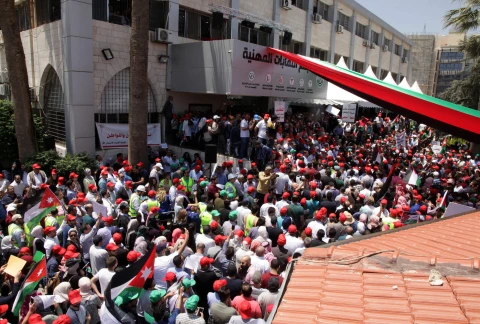
It can be predicted that Jordan will have to face more serious challenges in the coming period. Its economic problems will continue to exist as the country needs external support, the new political setting in the region will put more pressure on King Abdullah’s regime. As the region will focus more on the Palestinian issue, it will also bring Jordan on the spotlight in regional politics.
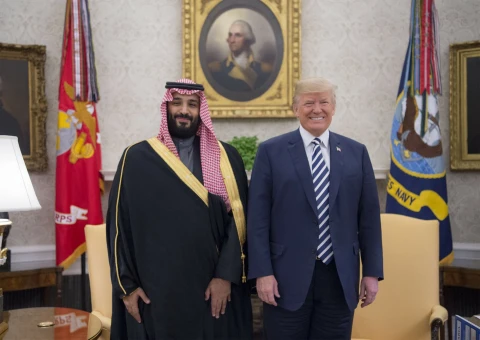
It is obvious that Mohammad bin Salman’s Saudi Arabia will continue to become an active and interventionist regional player with strong support from international actors. The country will also continue to employ hard power capabilities in partnership with its regional allies such as the UAE, Egypt and Israel.