
Immigrant Population in EU Reaches Record 64.2 Million in 2025
Germany remained the largest host country in the EU, with nearly 18 million foreign-born residents.

Germany remained the largest host country in the EU, with nearly 18 million foreign-born residents.
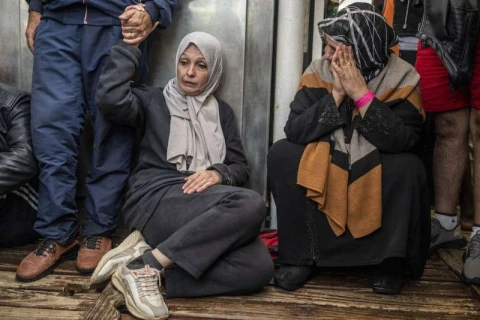
The EU migration accord arrives nearly three years after the pact's introduction in September 2020, a period when the EU grappled with an unprecedented influx of refugees.
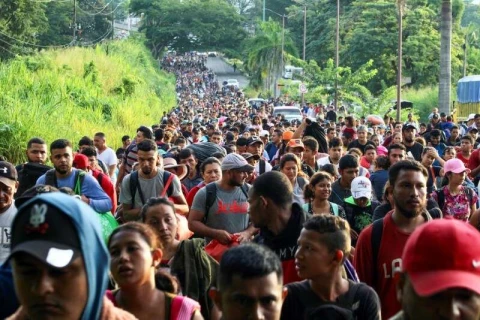
There are one billion people worldwide who are leaving their homes either by choice or due to force, according to the World Health Organization.
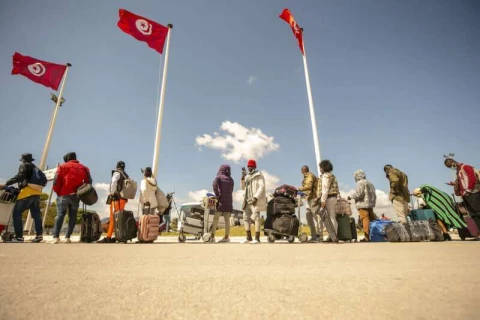
Many commentators in Tunisia argue that the lack of equality at the negotiating table with the Europeans is linked to democratic backsliding and waning support for democracy.
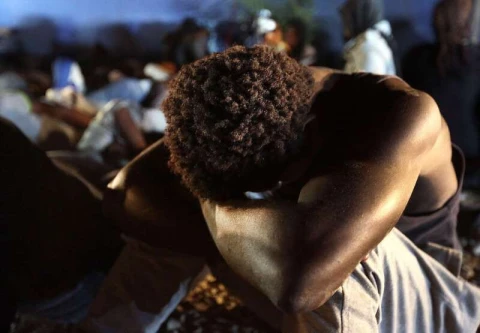
Pan-Africanism, the egalitarian and anti-slavery utopia propagated in most of the post-independence Maghreb countries, has come to an end.

Human rights NGOs and leading media outlets frequently report the Greek pushbacks and other human rights breaches that violate international law.

An African perspective is needed to demystify all myths, fears, and misconceptions surrounding the narrative of African migration. It is not only emigration from Africa to abroad that matters but also foreign immigration to Africa.

The EU severely depends on Turkey, as it did regarding the Aegean Sea, in the subjects of the prevention of illegal crossings, interference with criminalization and the halt of migrant deaths in the Black Sea. For this reason, the EU may need to re-knock on Turkey’s door once again.

According to Ozan Ceyhun, “Europe’s safety, NATO’s prestige and border, and protection of EU values begins on Turkey’s border.”
Turks do have the will to have a more profound relationship with Europe, but Europeans keep asking the Turks to stay at a safe distance.