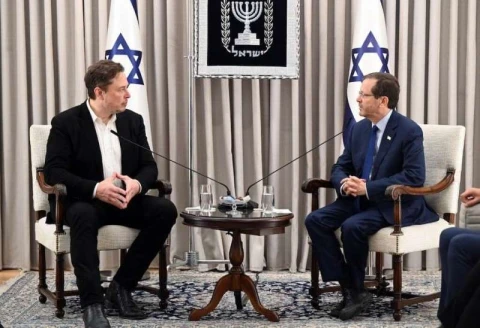
Another War: Israel’s Fake Accounts to Support Its Narrative
The digital war that Israel is fiercely waging is a revelation of the dark side of the digital revolution and social media sites.

The digital war that Israel is fiercely waging is a revelation of the dark side of the digital revolution and social media sites.
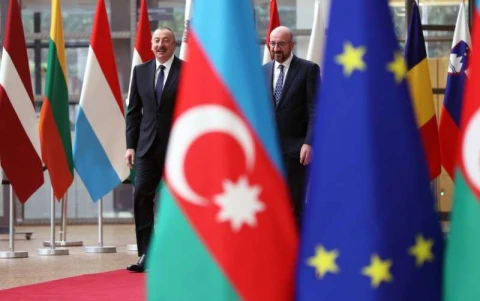
The case of Abzas Media has spotlighted the tension between media freedom and a nation’s control over its financial affairs.
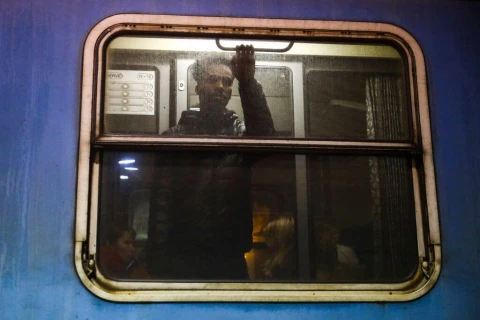
A popular trending hashtag on Twitter has been sharing the worries of Africans leaving Ukraine under the hashtag #AfricansInUkraine.
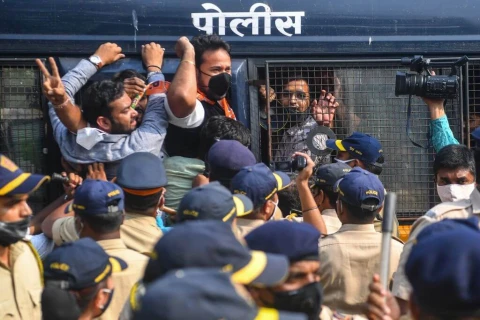
Indian news media watchers have observed how the country’s mainstream media has functioned as the public relations arm of Narendra Modi, leading many to mock them as the "Godi Media."
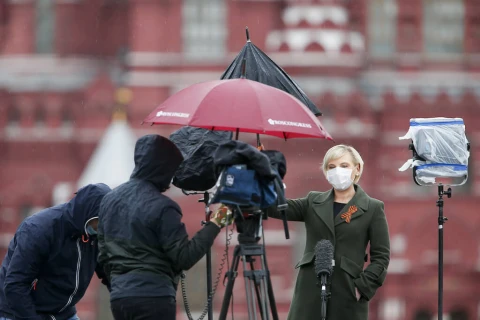
According to Dmitriy Migalin, a former political journalist of the Russian federal media outlet which is likely to get the “foreign agent” status, the game rules are not transparent.
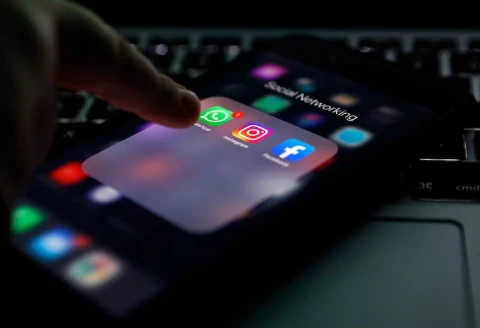
A recently published report on Twitter trends expose that at least 47% of local trends in Turkey and 20% of global trends are fake.
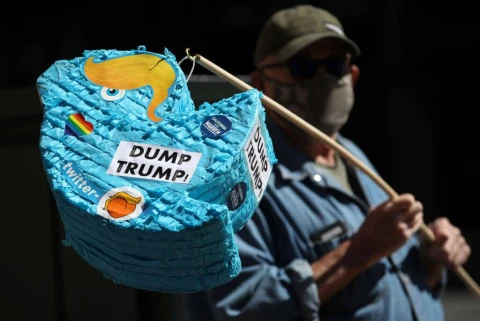
With their embargo against Trump, tech giants intervened more visibly than ever before in the political system of their own country.
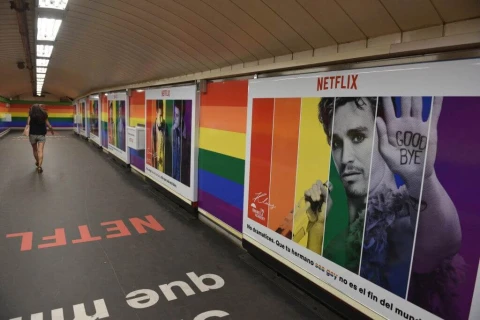
Online streaming services are not neutral spaces, they inculcate an ideological position or worldview through “soft” manipulation. They have the power to instill marginal ideas that can be harmful and problematic, both on an individual and social level.
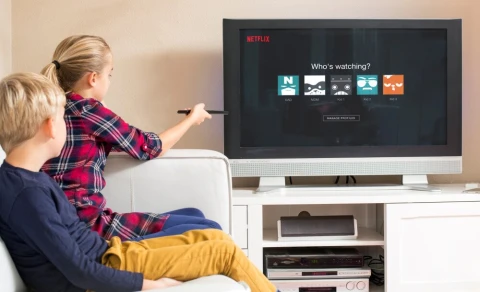
The skyrocketing increase in the number of people preferring Netflix, Blu TV or Puhu TV kind of platforms sparked a debate over the lack of monitoring and regulation mechanisms on such platforms. The recent by-law enabling the Turkish Radio and Television Supreme Council (RTUK) to regulate digital media platforms is based on a legal amendment made in March 2018.
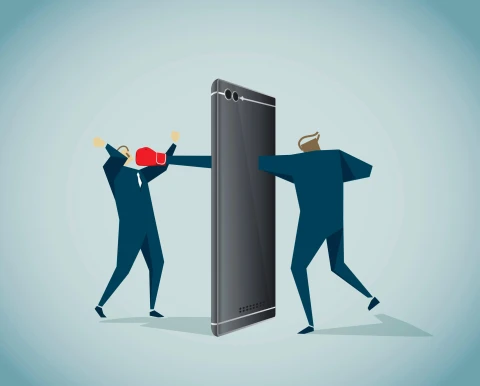
Social networks, which were initially introduced as the public spheres where different views can be expressed without any oppression and which was expected to make great contributions to democratization, are the most effective instruments threatening democracy and participatory culture today.
No harm can come from free communication. But we need to know, who is doing what and why. These +90 and Gulf-sponsored media outlets are targeting Turkish politics but Turkey is strong enough to resist them.
What I come to after observing the wild race that we call social media is a question: Would it be different if we didn’t have a “new” media but continued with the old, traditional, mainstream media?
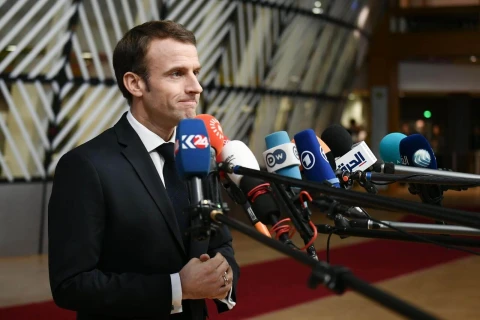
While Macron believes that the Press Law of 1881 is not enough to fight the spread of fake news through social media in today’s world, the new law especially targets social media networks and media outlets that are controlled from outside of France.
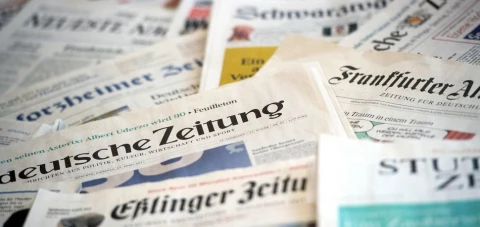
The problem that the media in Germany is not proportionally representative with regards to the political stances of citizens has to be elaborated on more carefully in a critical way.
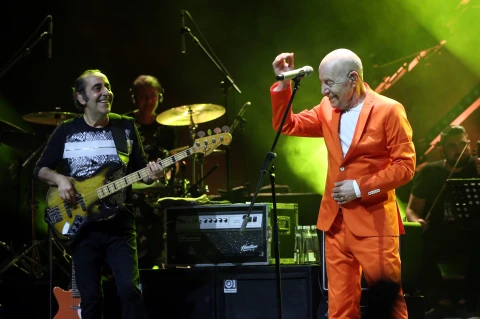
The opposition in Turkey is now trying to polarize society through statements made by artists. Does every artist have to be a blind opponent of their country’s government and why does Turkey’s opposition throw a tantrum when artists call for unity?
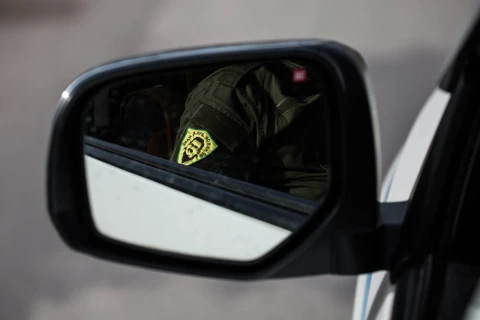
Deliberately chosen images, twisted headlines and the use of passive voice are provided in order to give the impression that the PKK is not responsible for the illegal activities that they carry out.
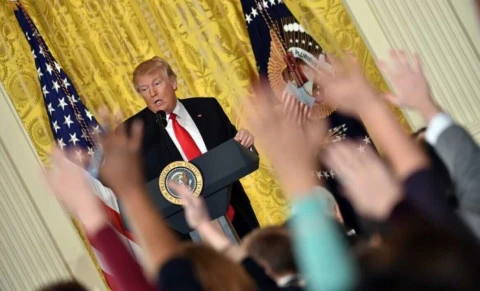
The American media establishment should take an equitable and broadminded approach for all and that it should raise the flag of tolerance for those who are devoid of a powerful voice. Otherwise, once Trump raises his own anger and fury, it can be seen that the curtain of the American media conglomerates will fall furthermore with terrifying consequences.
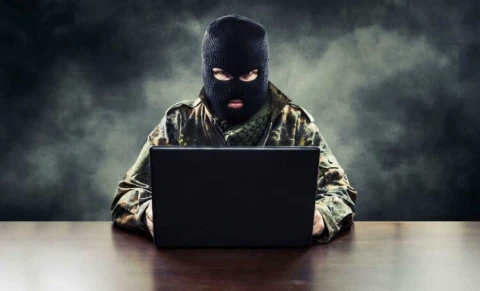
Defending everything in the name of freedom of press blindly and carelessly no matter what human and state security requires, would cause a more disastrous environment for all stakeholders.