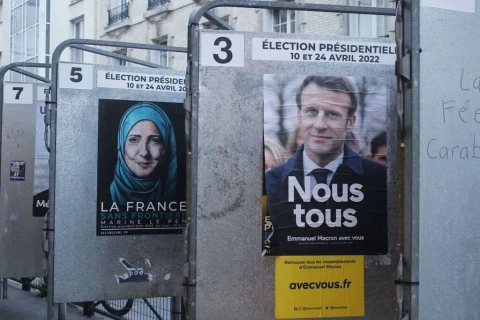
Islamophobia and the French Presidential Election
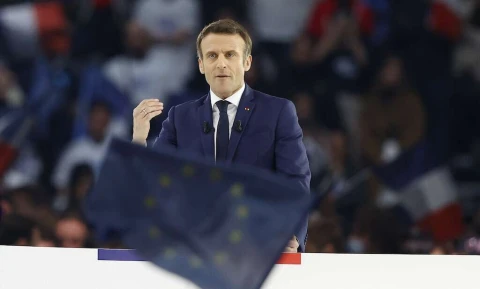
In his brief 10-minute speech after the election results were announced, Macron hastily began embracing Muslims.

In his brief 10-minute speech after the election results were announced, Macron hastily began embracing Muslims.
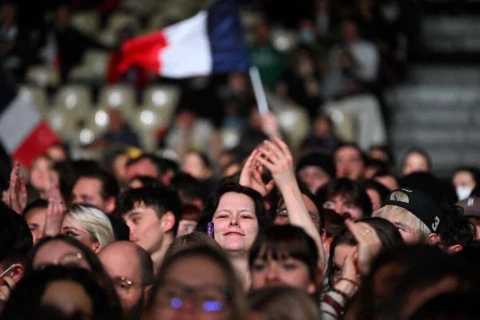
According to Ifop pollsters, Macron is expected to receive 51% of the votes and Le Pen 49% on April 24. However, abstentions in the second round may change this.
Muslims in France could partially breathe now because people are now more afraid of the Russians.
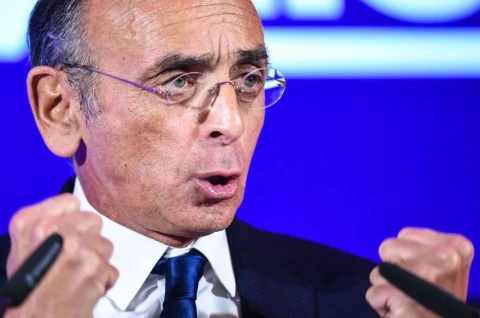
Even 93-year-old former far-right party leader Jean Marie Le Pen declared that he supports Zemmour instead of his daughter!
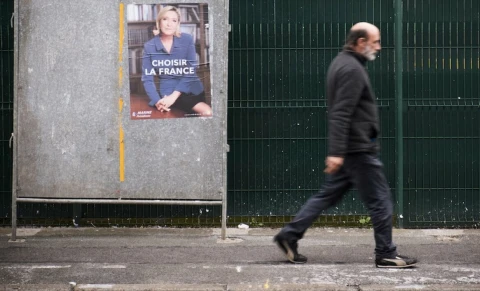
The French are getting more used to far right by the day. The enemies and targets of the far right movements change, but their ideas are the same. It could be said that after a couple of decades of inactivity, they are full of life now. As they’re no longer contained in the far right parties but exist within both right-wing and left-wing party, this wasn’t a challenge.
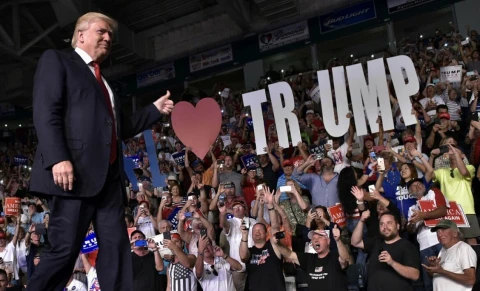
The rise of the far right has grown on the back of highly divisive, identity-based rhetoric. It emphasizes the growth of fear, anger, Islamophobic discourse and anti-migration policies. How this new wave will impact realpolitik going forward will be watched by many with great concern and unease. Yet it is clear that this new paradigm is a revolt against the postmodern period, which has been increasingly candidate-centered at the expense of any party or social movement.
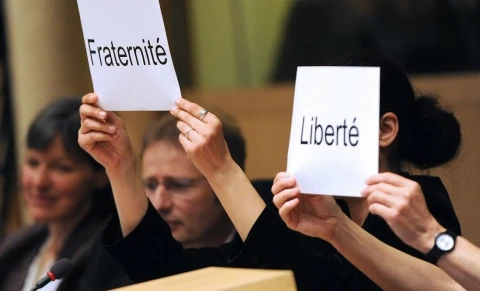
Millions of Afghans, Iraqis, Syrians and others in the Middle East are struggling to survive in their respective countries or elsewhere and they believe the Washington establishment is responsible for their impoverished condition.