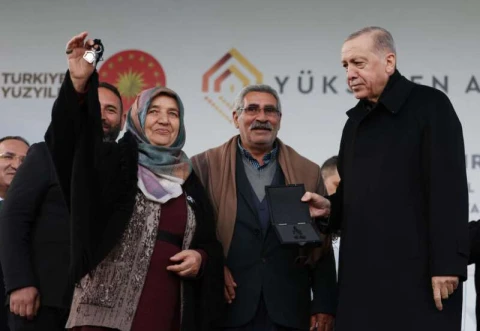
How Kurdish Politics Changed under the AK Party in Turkey
The people of Turkey’s Kurdish region will have to make a choice between security, peace, and prosperity, on the one hand, and giving their sons and daughters to the mountains on the other.

The people of Turkey’s Kurdish region will have to make a choice between security, peace, and prosperity, on the one hand, and giving their sons and daughters to the mountains on the other.
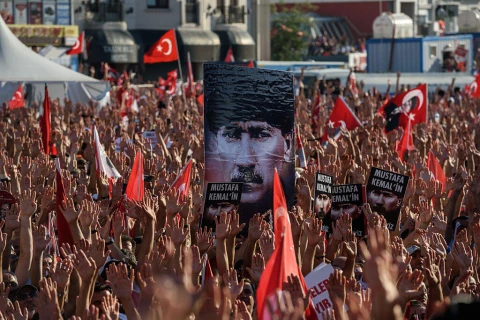
Reasonable left-wing supporters should start questioning the current trajectory of Turkey’s traditional nationalist leftist bloc and its political stance which is heading towards self-dissolution in the long run.
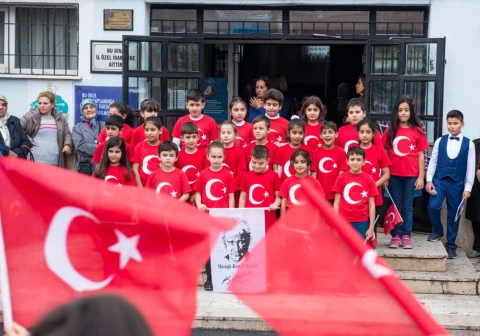
The old Turkey was a period when the nation was reduced to only one ethnicity as prescribed in the Student Oath, multiculturalism was disregarded, and the ones not conforming to this model were not even considered proper citizens.
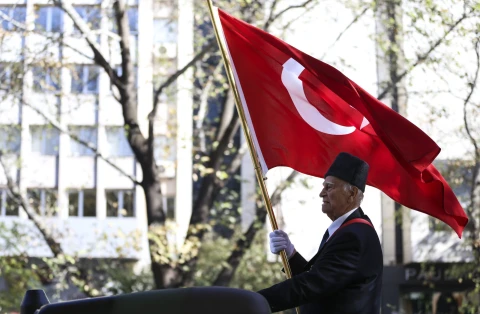
It should be kept in mind that in Turkey today while on the one hand there is no actual problem with the country’s republican character, on the other hand, certain secularist circles aggressively disregard its additional and necessary democracy component.
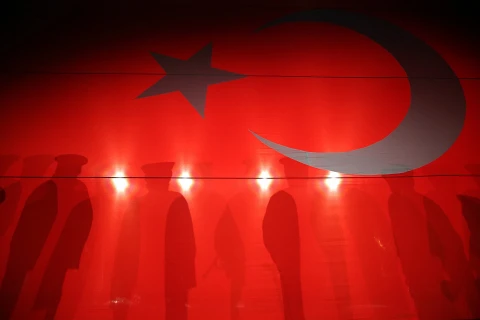
It seems that in cases when a decision made by the Erdogan administration is ruled out by a judicial body, those western media outlets stay silent. No critical voice has questioned why the judiciary acts against the government, or why the Turkish judiciary still acts in an entrenched (Kemalist) ideological way.
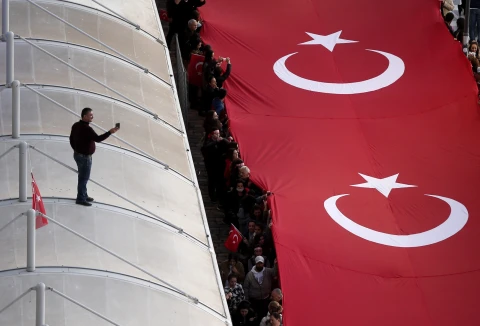
The Student Oath decision of the Council of State was perceived as taking a step back from democratization efforts and turning to the old habits where judicial power acted as the guard of the Kemalist regime and intervened into politics.
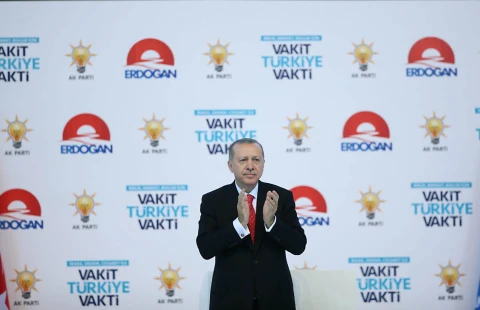
The AK Party proposes the politics of native-national, which is a project of political unity shaped around a particular conception of good. The opposition, as a response, raises the issue of the importance of the rights and attempts to disparage and dislocate the political unity offered by the politics of native-national.
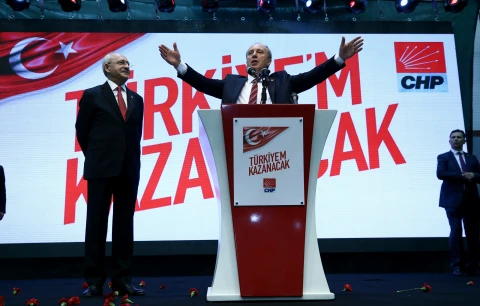
While all major Turkish political parties nominated their de jure or de facto party leader as their presidential candidate, the CHP preferred a strange move that does not aim to win the elections but rather to guarantee Kilicdaroglu’s political future.
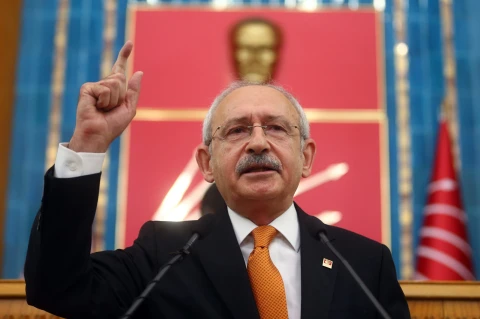
Over the course of the past seven years, Kilicdaroglu’s CHP differed from former party leader Deniz Baykal’s CHP in this aspect: “What is social democracy? Kemalism is over, long live opportunism!”
Following the momentum of economic and political liberalization in Turkey, and as the realm of politics gained relative autonomy from the state, it became apparent that the secular-nationalist identity was insufficient to bring society into unity.
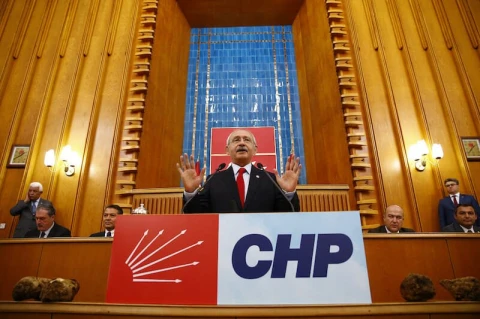
Will CHP be able to break the vicious cycle, contribute to democracy, find solutions to problems and inspire hope in the public? I truly hope so, but it’s a tough challenge for the CHP.
The post-2002 period figures as the acceleration of Turkey’s evolution into a total state. This fundamental transformation in state-society relations has urged political parties to reconsider their political positions and discourses. The most radical change has taken place with the CHP.