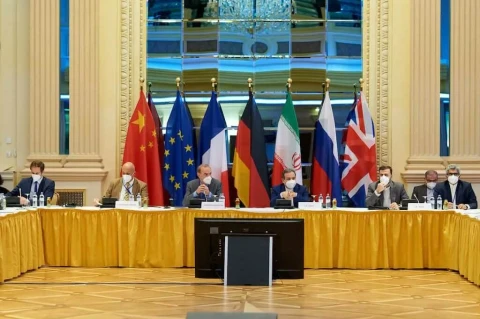
Iran Nuclear Talks: Iran-Russia Cooperation Exempted from U.S. Sanctions
For Iran’s neighbors a search for new security strategies seems to be imminent.

For Iran’s neighbors a search for new security strategies seems to be imminent.
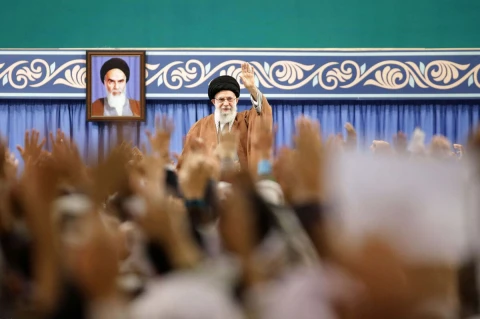
Without addressing the underlying problems, civil unrest, economic stress, and instability are just getting started in Iran.
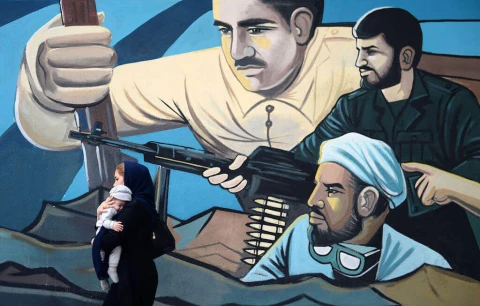
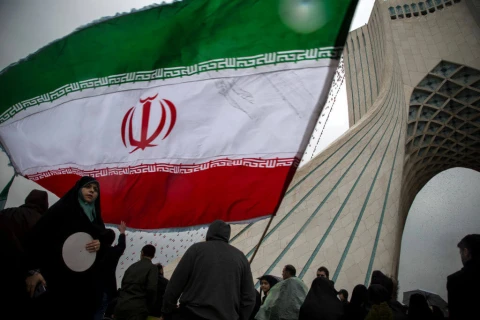
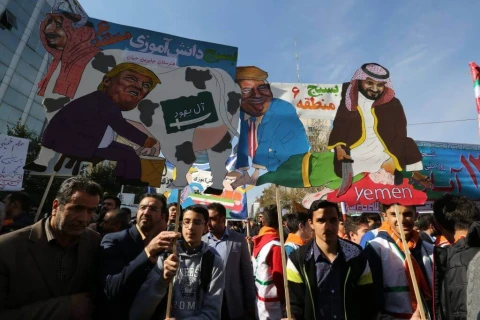
The emergence of the deep state in Iran in the 2010s led to a massive change in Iran’s political murals and visual culture.
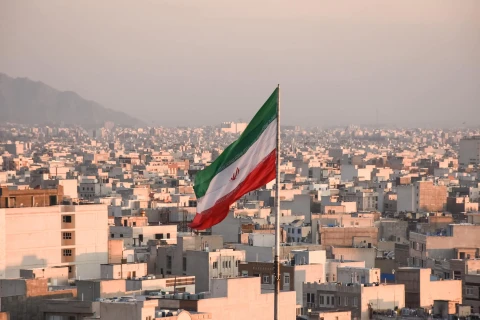
Trump’s maximum pressure policy is working but apparently not to the advantage of regional and global peace and stability. Although sustainable regional peace is a distant dream under the present circumstances, the de-escalation of the current crises can serve as a promising starting point.
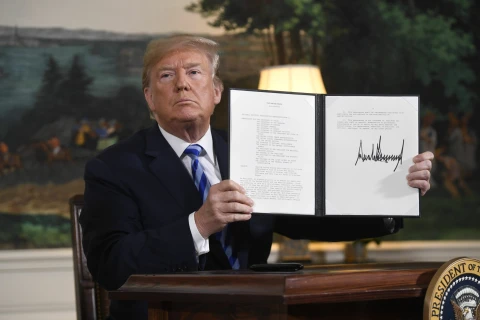
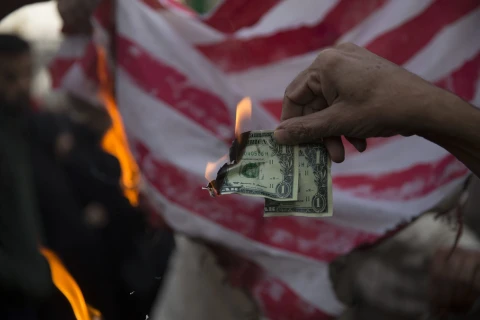
New sanctions that might be imposed by the U.S. against Iran might put an end to the diplomatic doors between the two countries.
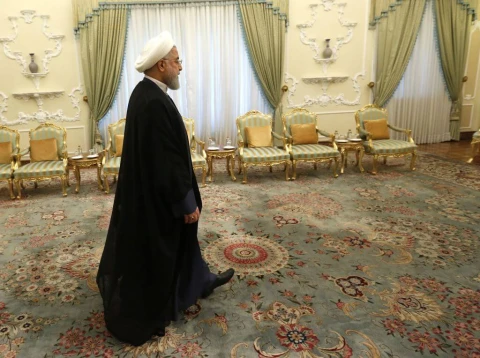
Whether the Trump administration continues its policies of dragging Iran into economic bankruptcy or whether the tension between the two countries turns into a military encounter, it will undoubtedly become of the most important points on the agenda concerning all of the Middle East region.
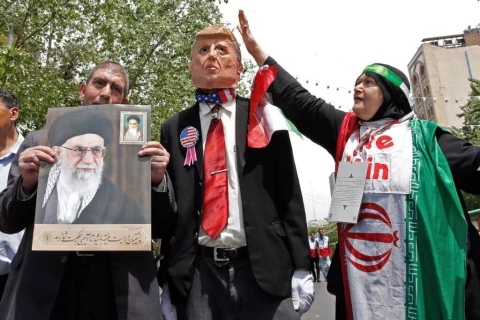
The Trump administration’s aim is to isolate Iran from the international market, and it is just around the corner from fulfilling this objective. It is fair to state that hard times are waiting not only for the Iranian people, but for the region.
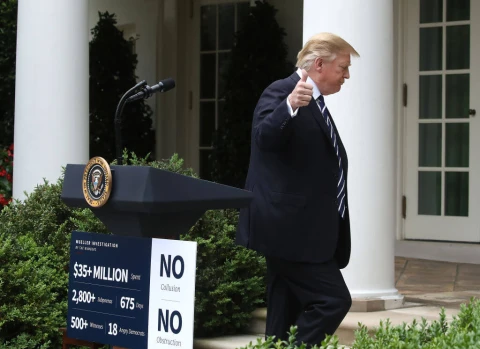
In the short and medium term, the interplay between Trump’s need for a deal on his own terms and Iran’s capacity to sustain the economic and political fallout from the U.S. maximum pressure campaign will determine the nature of the standoff.
Remembering how the civil war that erupted in Iraq after the breakdown of the Saddam Hussein regime drifted the Middle East to a state of profound instability, the actors in Washington, Tel Aviv and Riyadh must be more careful while developing similar plots for Iran.
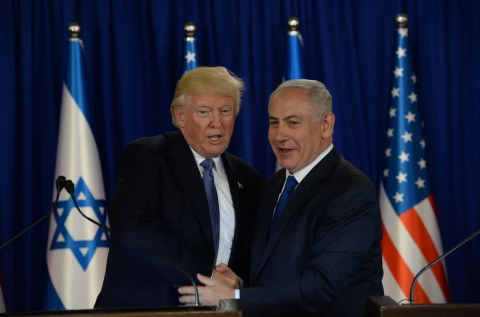
With the Trump administration, the U.S. government has launched a regime change discourse against Iran. The president has employed numerous anti-Iran figures in his team such as Mike Pompeo, John Bolton, Rudy Giuliani, and others.
The U.S. decision not to include the UAE among the countries the Trump administration issued a waiver to is an indication of the fact that trade relations between Abu Dhabi and Tehran will deteriorate.
Following the Trump administration's sanctions on Iran, growing economies that are highly dependent on imported energy resources are in need of tight cooperation more than ever.
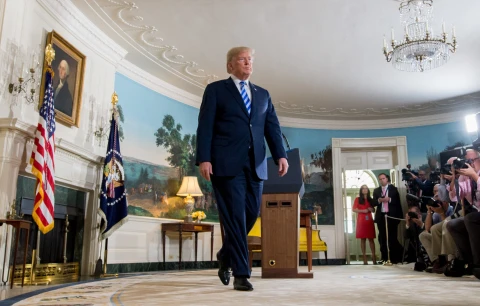
It is fair to state that the Trump administration is desirous of punishing the Iranian regime. However, the administration’s tough stance is, in fact, twofold. By framing a ‘zero’ policy, the U.S. administration not only intends to strain the financial capacity of the Iranian regime, but also demands other countries to reduce their exports from Iran to zero.
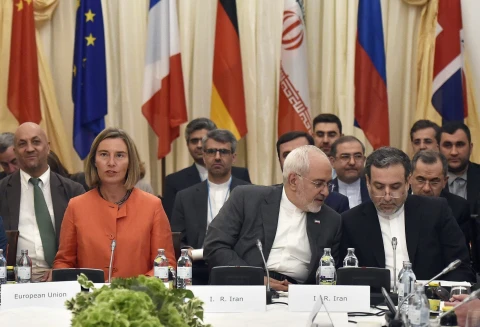
While the EU’s grand effort to keep the JCPOA alive seems to fail in the future, unlike the U.S., the participant countries have shown that they still maintain the channel of communication with the government of Iran.
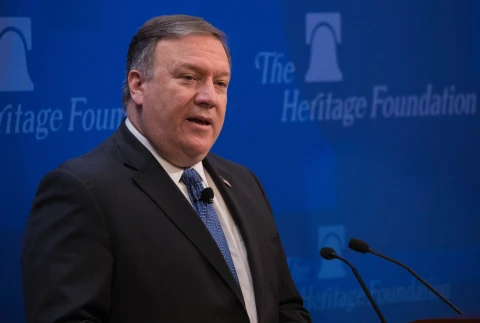
The Trump administration’s new Iran strategy promises to bring the regime to its knees through sanctions and isolation but lacks a broad international coalition determined to achieve it.
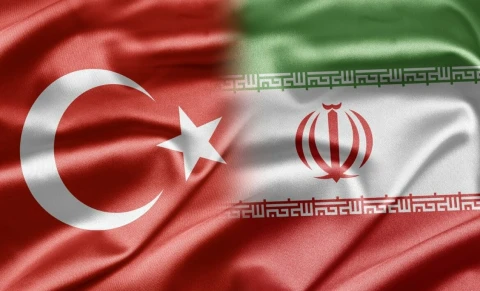
Turkey and Iran should increase the level of bilateral direct investment to soften the impact of possible tensions emanating from political differences in the future.