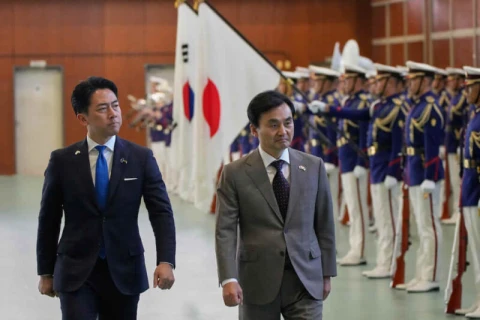
Washington’s Allies? Japan, Germany and South Korea
Japan, Germany and South Korea are strikingly similar in terms of their relations with the US hegemonic order.

Japan, Germany and South Korea are strikingly similar in terms of their relations with the US hegemonic order.
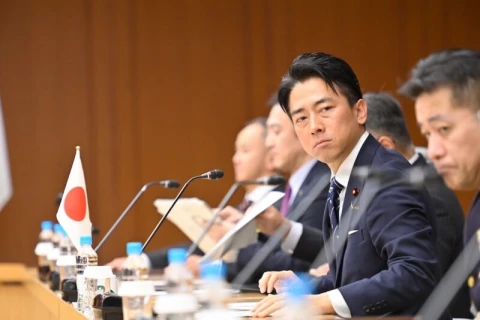
Tokyo still upholds its official non-nuclear principles, but its broader security posture is becoming more complex and strategically ambiguous than its public doctrine suggests.
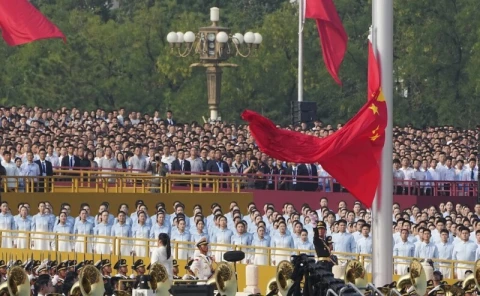
The China-Japan crisis stems from the structural tension between China's ideological framework, which centers Taiwan in regime legitimacy and national identity, and Japan's strategic perception that directly links the Taiwan scenario to national security.
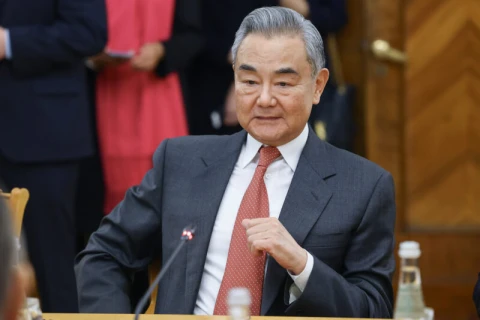
China accused Japan of “exploiting the Taiwan question”—which Japan colonized from 1895 to 1945—to “provoke trouble and threaten China militarily.”
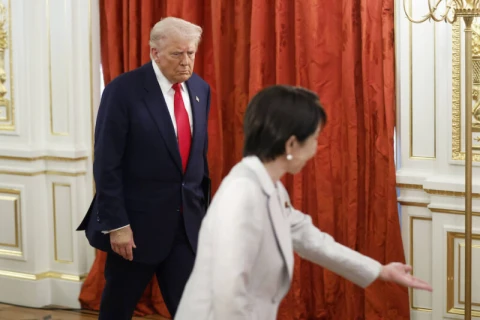
The diplomatic chill has already led Beijing to rule out a potential encounter between Takaichi and Chinese Premier Li Qiang at this weekend’s G20 summit in South Africa.
Chinese Consul General in Osaka, Xue Jian, posted — and then deleted — a social-media message declaring that “the dirty neck that sticks itself in must be cut off,” prompting Japan to lodge an official protest and summon China’s ambassador.
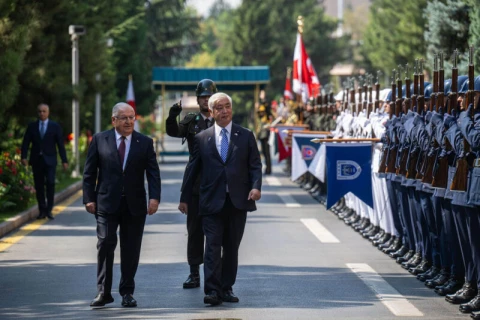
Japanese Defense Minister Gen Nakatani's visit to Ankara in August 2025 and his tour of Baykar facilities were concrete demonstrations of the importance of the Ankara-Tokyo cooperation.
Under the new deal, U.S. tariffs on Japanese automobiles and auto parts will remain at 15%, sharply higher than the pre-2024 level of 2.5%.
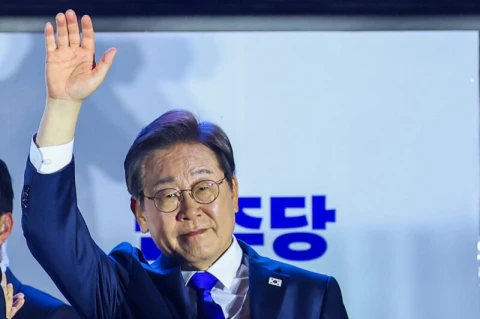
There is even talk within the Pentagon of reducing the U.S. military presence in South Korea if an agreement cannot be reached.
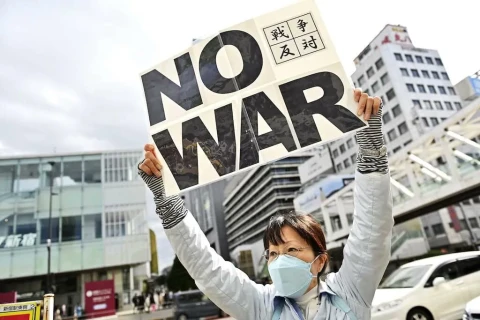
Japan faces formidable political and cultural obstacles before it could even consider acquiring nuclear weapons.
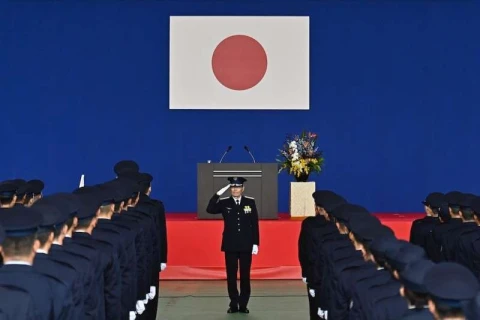
For Japan, the deal to sell Stealth Frigates to Australia marks its largest-ever arms export since it began loosening post–World War II restrictions on lethal weapons sales
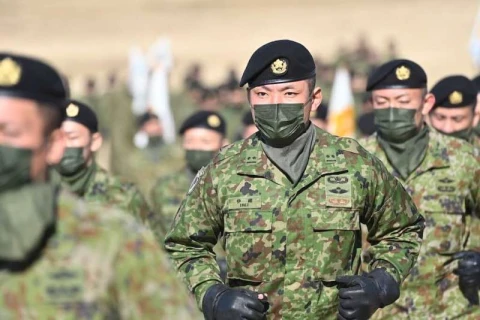
The future direction of US grand strategy remains uncertain.
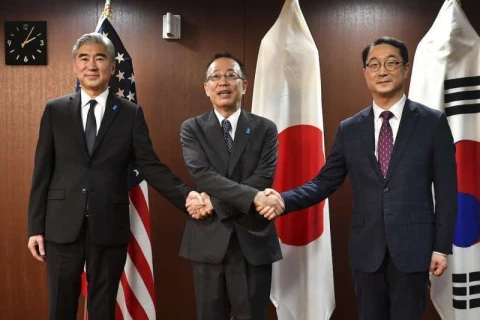
During a NATO summit in Washington DC, the U.S. is also expected to hold talks with Japan and South Korea on China.
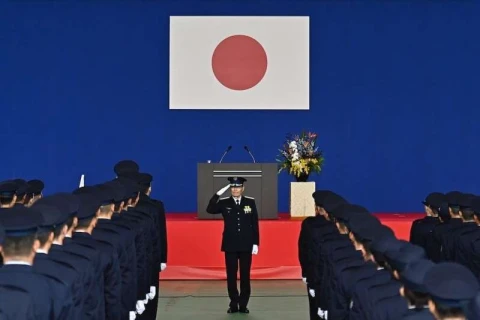
Japan aims to support its defence industry and enhance its military capabilities by expanding into international markets.
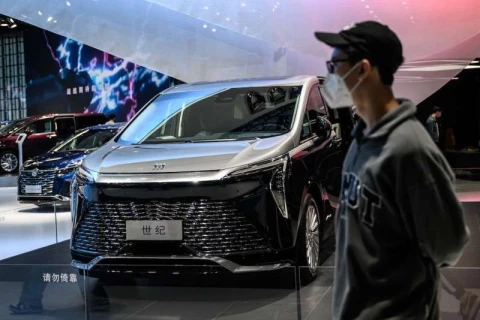
China's continued success in exporting vehicles will shape the future of the automotive industry, with a forecast of 5.4 million units in 2024.
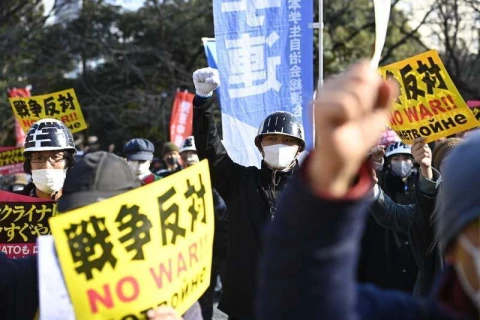
Japan's recent approval to export PAC-3 missiles follows the country's significant shift in military export policy, marking the first time since World War II.
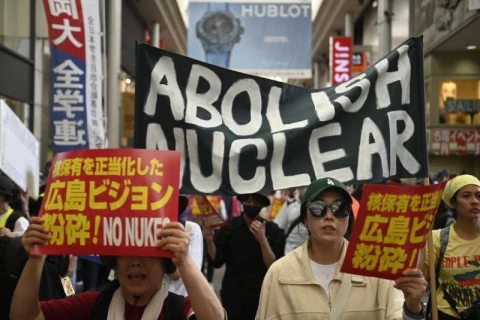
Talks between China and Japan could set a precedent for conflict resolution and cooperation in a region fraught with complexities.
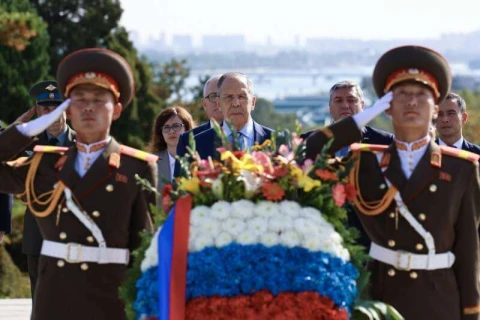
Japan, South Korea and the US's fears about South Korea and its relationship with Russia aren't unfounded.