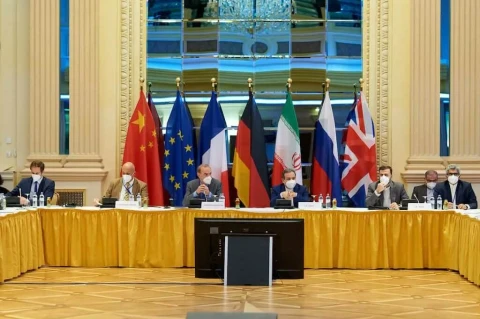
Iran Nuclear Talks: Iran-Russia Cooperation Exempted from U.S. Sanctions
For Iran’s neighbors a search for new security strategies seems to be imminent.

For Iran’s neighbors a search for new security strategies seems to be imminent.
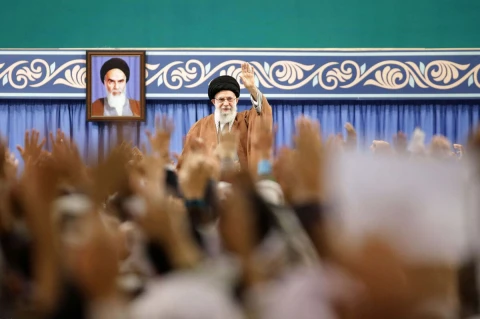
Without addressing the underlying problems, civil unrest, economic stress, and instability are just getting started in Iran.
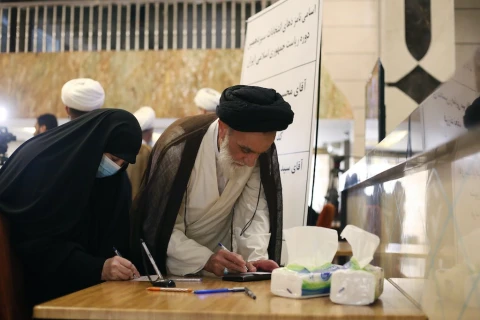
Many Iranians believe that the outcome of today’s elections is already fixed. This is a major blow to the republican nature of Iran’s political system.
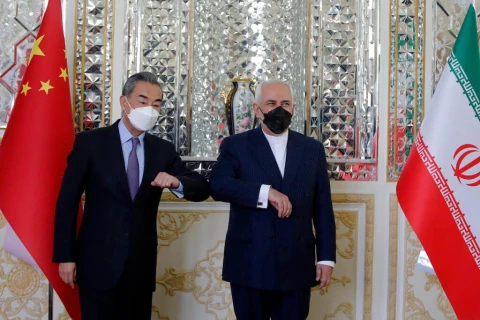
Will Iran rise in the jetstream generated by the Chinese economy, or will it become a vassal literally fueling and facilitating China’s growing domination of Asia?
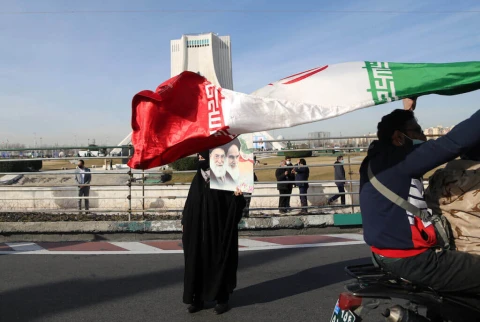
Will Iran experience change peacefully or violently? It is possible that Anglo-American bloc can regain control of Iran if it manages to cause a violent uprising.
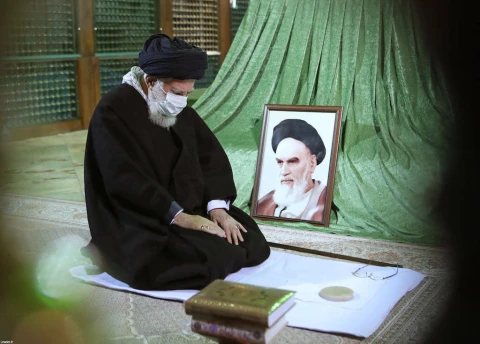
Now, more than four decades later, the question is whether the Iranian revolution fulfilled its promises or not.
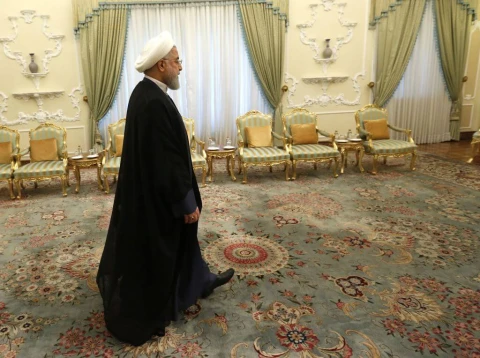
Whether the Trump administration continues its policies of dragging Iran into economic bankruptcy or whether the tension between the two countries turns into a military encounter, it will undoubtedly become of the most important points on the agenda concerning all of the Middle East region.
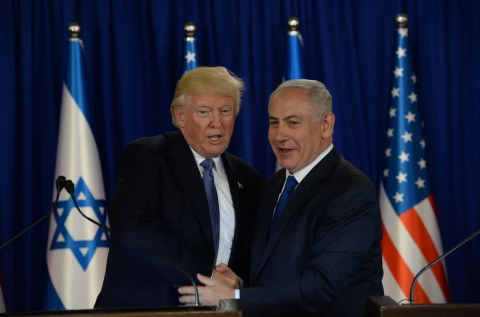
With the Trump administration, the U.S. government has launched a regime change discourse against Iran. The president has employed numerous anti-Iran figures in his team such as Mike Pompeo, John Bolton, Rudy Giuliani, and others.
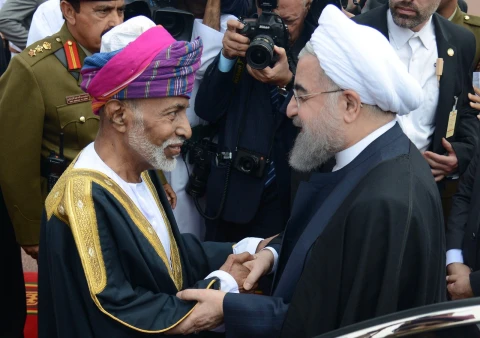
With its years of experience in neutral policies, one would consider that Oman would find a way to respond to this crisis with minimum damage to its existing priorities.
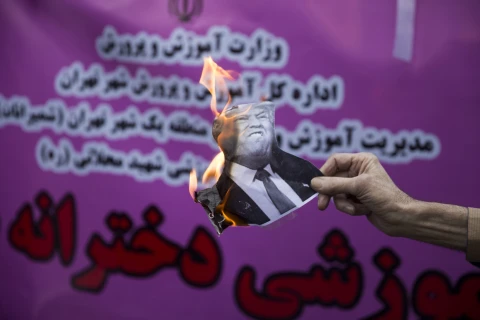
The possibility that Tehran might give up hope of a political resolution due to reasons such as the crippling economy due to sanctions, increasing pressure from regional rivals and internal opposition provoking street protests, may cause U.S.-Iran tensions to rise to their highest level of the last 40 years, and this situation would have severe consequences for the entire region, including Turkey.
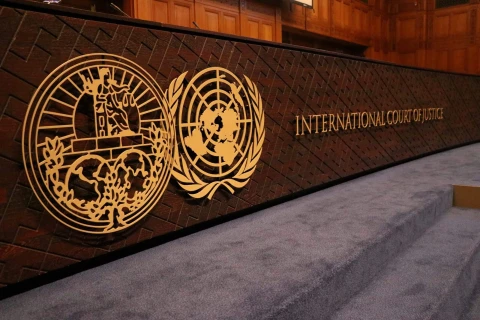
On Wednesday, the highest court of the United Nations ordered for the U.S. to lift some of its sanctions that might hurt the import of humanitarian goods or services or adversely affect the safety of civil aviation on Iran.
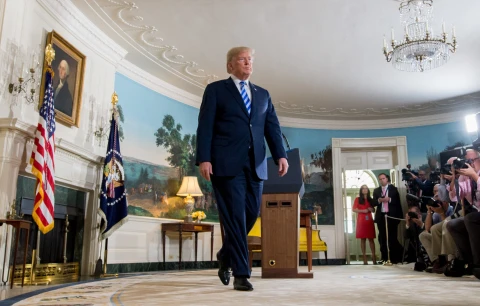
It is fair to state that the Trump administration is desirous of punishing the Iranian regime. However, the administration’s tough stance is, in fact, twofold. By framing a ‘zero’ policy, the U.S. administration not only intends to strain the financial capacity of the Iranian regime, but also demands other countries to reduce their exports from Iran to zero.
Finding a comprehensive solution to the standoff with Iran would remove a significant source of tension from the region but it will probably not be possible in the short and medium terms, barring a major reversal by President Trump or the Iranian regime. In the meantime, both Europe and Turkey will have to figure out a way to work with a unilateralist U.S. administration in order to protect their economic interests as well as energy needs.