
Gold Hits $4,000 Milestone for First Time
According to IMF data, global central banks added more than 1,000 tons of gold to their reserves over the past year.

According to IMF data, global central banks added more than 1,000 tons of gold to their reserves over the past year.
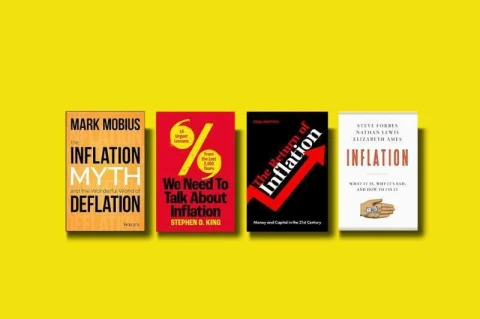
In this month’s book bundle we examine books that demystify inflation, and offer solutions to aid both policymakers and citizens to sustainably navigate these seemingly precarious times.

"Rather than a 'New Cold War,' we are witnessing the culmination of an economic war with Russia, where the financial, energy, and capital markets are the battlegrounds."
Money lost to interest payments creates debt burdens and shrinks public resources that could be channeled into development-friendly areas.

In an ideal world and a fair business environment, minimum wages could be abolished and the market would set the proper wages.

Taming inflation by attacking its fundamental causes could help the masses much more than increasing wages every few months.

Sri Lanka is literally burning because of inflation, which has accompanied a default on the country’s debt.

The Panamanian economy had a growth rate of 6.5 percent, but many Panamanians feel they are not participating in this growth.
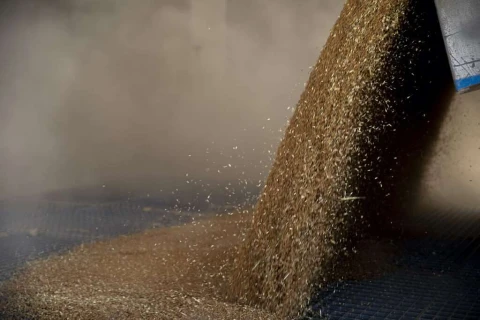
Around 30 percent of the wheat traded across the world is produced in Russia and Ukraine

Time is running out! If the wounds of the hapless are allowed to simmer, the resulting chaos will bring more than just the poor down, if history is any guide.

Following the recent tightening cycle, the U.S. Dollar is strengthening against almost everything else.
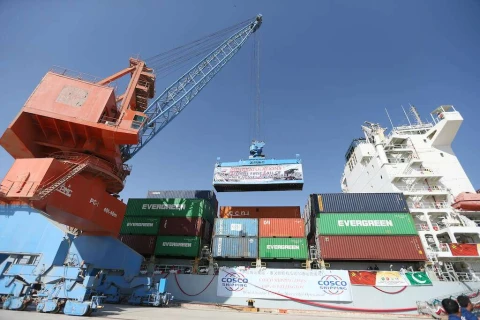
Inflation is here to stay and the world needs a healing touch, now perhaps, more than ever.

Emerging Markets are facing rapid increases in inflation after the COVID19-driven disinflationary shock in 2020.
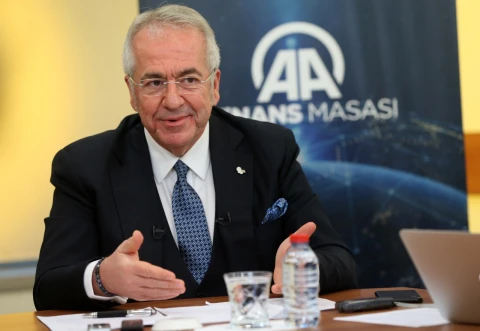
Erol Bilecik – head of the Turkish Industry and Business Association (TUSIAD) – spoke to Anadolu Agency yesterday and stated that the agreement on the minimum wage, announced by the Minister of Labour on Tuesday, is a positive development for the Turkish economy and the business world.

Reducing the current account deficit and inflation, and making high economic growth sustainable require supply-side structural reforms. These reforms might also prevent such news from perplexing financial markets.
Turkey will enter 2019, a year with two critical elections, much stronger if economic growth continues and certain improvements are made in fields that currently seem problematic.

The inflation rate for November 2017 have been announced - an increase to 12.98 percent. The Consumer Price Index (CPI) increased by 1.49 percent from October to November.

Simsek said that “The update of the Customs Union agreement will be the most important issue [which will be discussed during the meeting].”