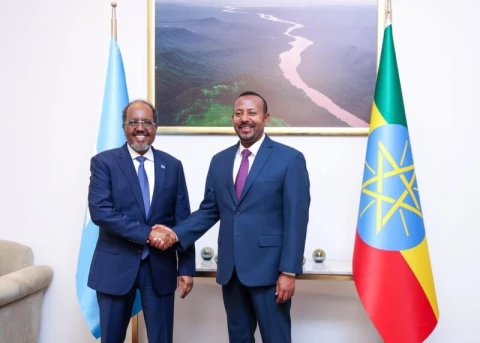
Ethiopian PM Abiy Demands Red Sea Access as Regional Tensions Rise
Ethiopian Prime Minister Abiy Ahmed has renewed his call for access to the Red Sea.

Ethiopian Prime Minister Abiy Ahmed has renewed his call for access to the Red Sea.

The Tigray National Regional Government, said its forces had been instructed to respond to what it described as an attack by the federal government.
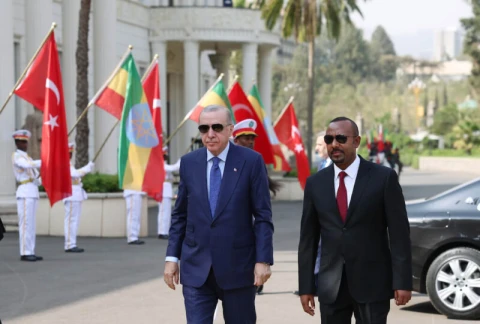
The Horn of Africa will show whether Ankara can translate its narrative of partnership and mediation into sustained crisis management on the ground.
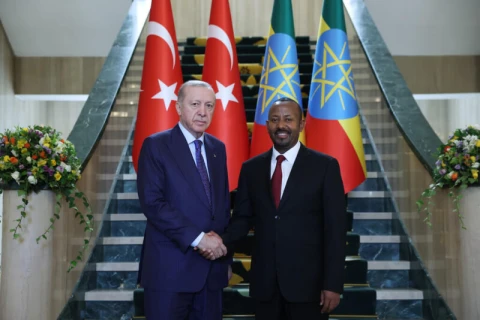
The presence of over 200 Turkish companies operating in Ethiopia and the employment they provide demonstrate the scale of economic relations.

Sudan’s military has long accused Abu Dhabi of arming and funding the RSF, allegations that U.N. experts and some U.S. lawmakers have previously said they find credible.

Prime Minister Abiy’s ambitious development drive clashes with rising regional tensions, ethnic violence and economic strain.

The tension surrounding the Ethiopia-Somaliland deal further complicates relations between Egypt and Ethiopia.
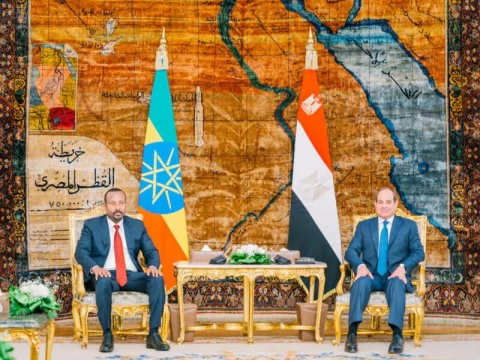
Egypt, Sudan and Ethiopia should follow the principle of "African solutions to African problems" and resolve the issue of the Renaissance Dam on the Nile themselves.
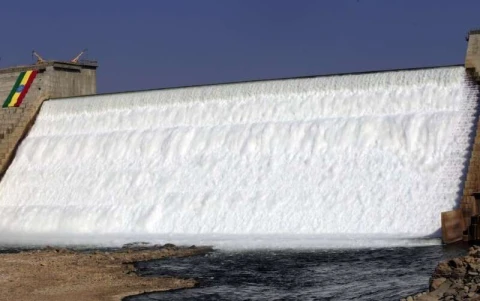
Sudan and Egypt fear the Ethiopian project could reduce their share of the Nile's water. But Ethiopia insists the dam is the key to its economic development.
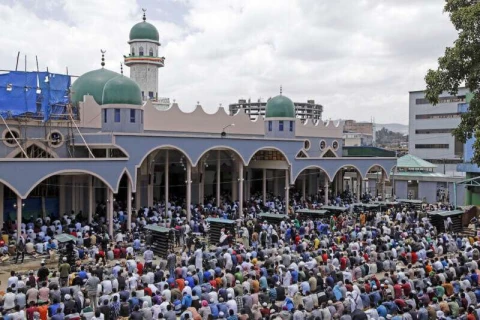
The Ethiopian government asserts that it is not targeting mosques; however, the visible disproportion of demolished mosques, which have reached 22, has infuriated the Muslim community.

Ethiopia is becoming a battleground for several groups, all contributing to the country’s risk of civil war and collapse.

Ethiopia’s bid to fill its Grand Ethiopian Renaissance Dam (GERD) has alarmed downstream countries. Egypt has responded by cultivating ties with Nile basin countries and its efforts are reshaping East African geopolitics.
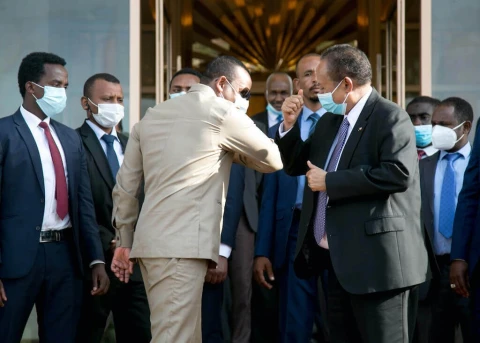
All the recent steps taken by Sudan and Ethiopia are needlessly offensive and foolish since they are interdependent and have 1,600-kilometer-long border.

So far Premier Abiy Ahmed has a good track-record. But the challenges his administration face are deep-rooted.
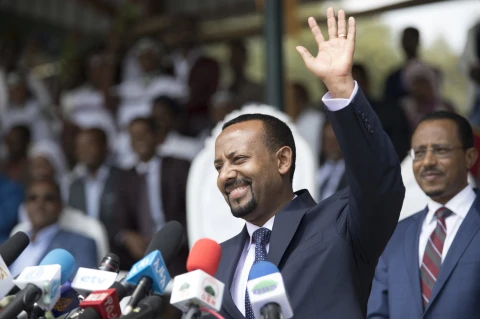
Abiy Ahmed’s foreign policy reforms and the peace breeze sweeping the Horn of Africa is commendable and long-waited but the deafening geopolitical changes’ raison d’etre definitely lie elsewhere: the U.S. Secretary of State.
With its strategic position for international trade and African politics, the Horn of Africa will continue to remain on the radar of these regional and global actors.