Has Conservative Politics Come to an End in Turkey?
The successive election victories of the AK Party led by Erdogan for the past 17 years obliged the CHP to lean towards (at least ostensibly) to the values it has been against for 95 years.

The successive election victories of the AK Party led by Erdogan for the past 17 years obliged the CHP to lean towards (at least ostensibly) to the values it has been against for 95 years.
Why did a significant number of the Istanbul electorate change their voting preference in just 84 days? Is this change in voting behavior related to a long-lasting social and political transformation in Turkish society?
Turkey’s dynamic political and its own path of democratic experience, which definitely must not be limited to exaggerated comments by foreign correspondents/journalists in Turkey and who are nowadays broadcasting in a very extreme and absurd Imamoglu-backing bias, offers a very good opportunity to examine the recent results in a more comparative and of course, system-based context.
The consolidation of all parties against the AK Party is the main reason behind the success of Imamoglu on June 23. This is directly related to the new pre-electoral alliance system, uniting all parties in a common goal.
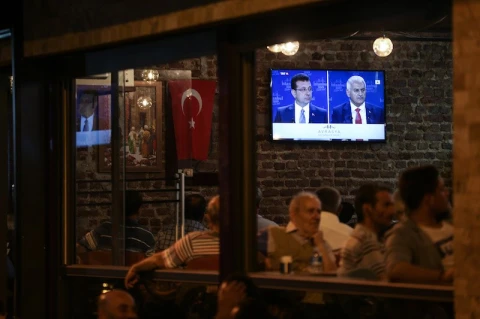
The Western media have portrayed Ekrem Imamoglu as an ideal candidate for Turkish politics and have disregarded serious questions and accusations that he faces. They’ve turned a blind eye and a deaf ear to his previous failures, which Imamoglu is consistently asked about.
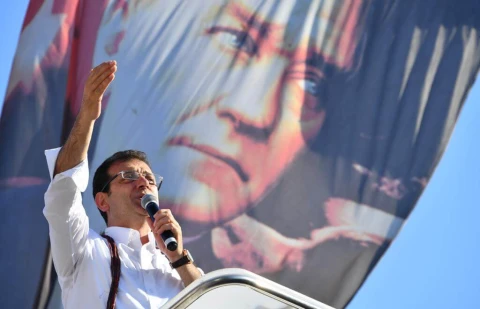
The real cause of excitement in both Turkey and the West over the CHP's Istanbul mayoral candidate Ekrem Imamoglu has been the thought that he might manifest himself as a new leader and be an alternative to the Turkish President Recep Tayyip Erdogan.
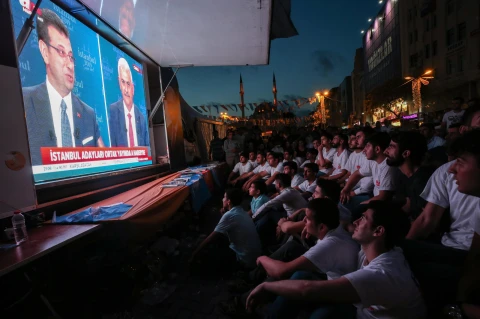
Yildirim’s performance on the live debate may create an effect on the previous AK Party voters who did not go to the polls on March 31. Beyond all these issues, the live debate was a triumph for Turkish democracy, which indeed, was the true winner of the live debate on Sunday night.
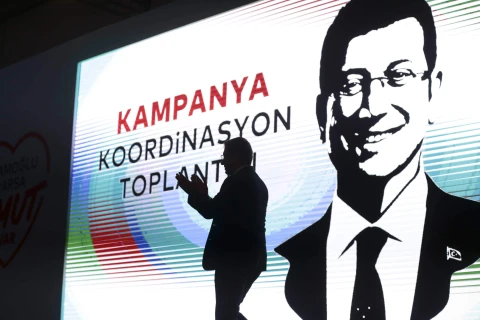
For three months up until the March 31 election, “everything was fine” for Imamoglu, but with this trajectory, “everything might not be so fine” on June 23 despite all the support from his party’s allies, the Iyi Party, HDP and other political parties.
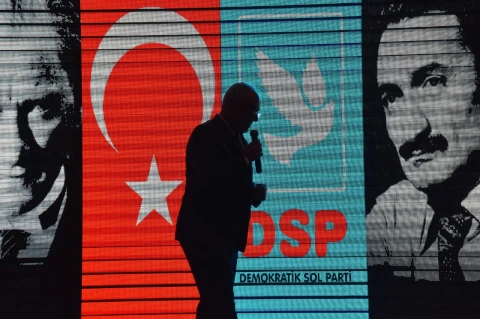
It might even be the case the voters of small parties will decide whether Ekrem Imamoglu or Binali Yildirim will be elected as the new mayor of Istanbul.
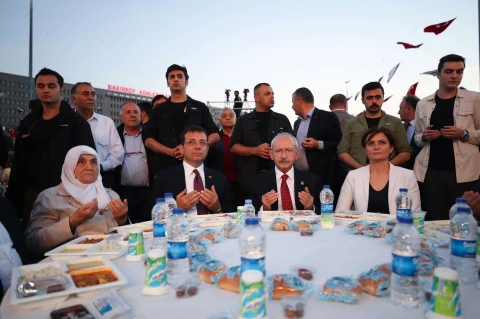
The CHP electorate will need to decide whether they want to continue with the populist Ekrem Imamoglu and his quasi-co-candidate Canan Kaftancioglu, or whether they want the party to reform to a social-democratic and populist free party.
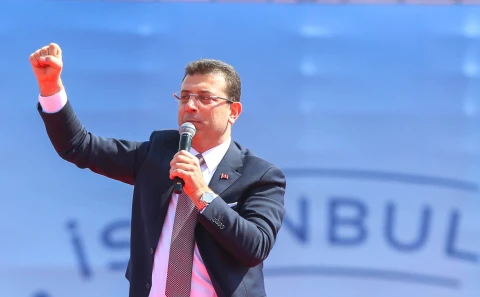
Winning Istanbul’s mayoral elections is almost equal to winning Turkey’s elections. Therefore, political discourses to be deployed during Istanbul's re-run mayoral election on June 23 will shape Turkey’s political future.
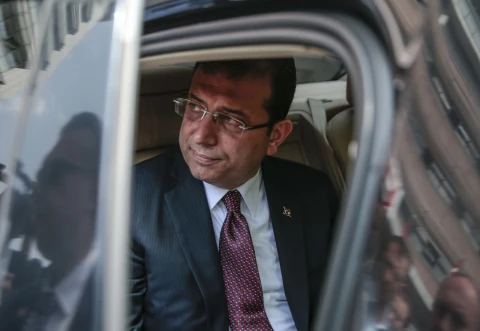
The objection and criticism to YSK’s decision should not reach to the dimensions that would harm the corporate identity of the institution.

Will İmamoğlu, a high-profile CHP politician now, perform Friday prayer with congregation on Fridays? If so, will Kemalist intellectuals and Kemalist media, who regard the statesmen’s performing Friday prayer beginning from the term of the late Turgut Özal as a “reactionary act,” be able to digest this?
It is obvious that the current discussions on the results in Istanbul will continue to remain high on the political agenda in the upcoming days. All parties will determine their strategies according to the YSK’s final decision, which may indicate the re-count of all votes, a repetition of the elections, or the victory of one of the candidates.