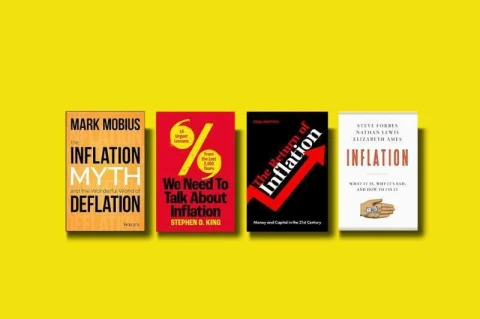
Navigating the Tide: Four Books on Inflation
In this month’s book bundle we examine books that demystify inflation, and offer solutions to aid both policymakers and citizens to sustainably navigate these seemingly precarious times.

In this month’s book bundle we examine books that demystify inflation, and offer solutions to aid both policymakers and citizens to sustainably navigate these seemingly precarious times.

"Rather than a 'New Cold War,' we are witnessing the culmination of an economic war with Russia, where the financial, energy, and capital markets are the battlegrounds."
Money lost to interest payments creates debt burdens and shrinks public resources that could be channeled into development-friendly areas.

Keen argues that disasters should serve as a catalyst for reform, urging us to address the systemic issues that give rise to catastrophes.
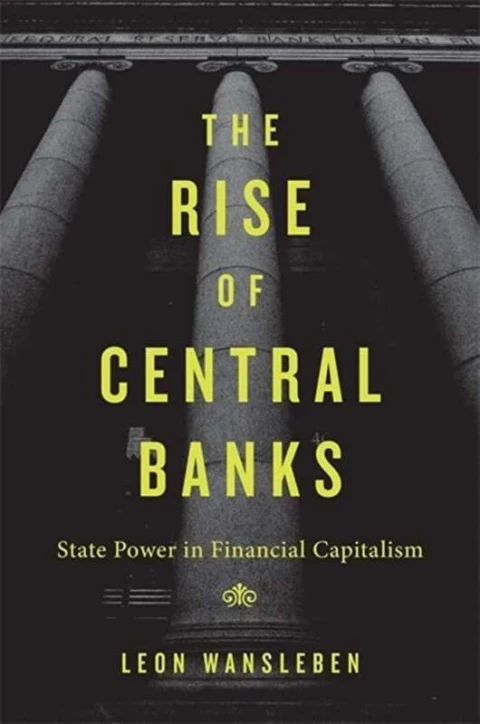
How is the rise of central banks more problematic than many might expect? Leon Wansleben provides answers in his new book.
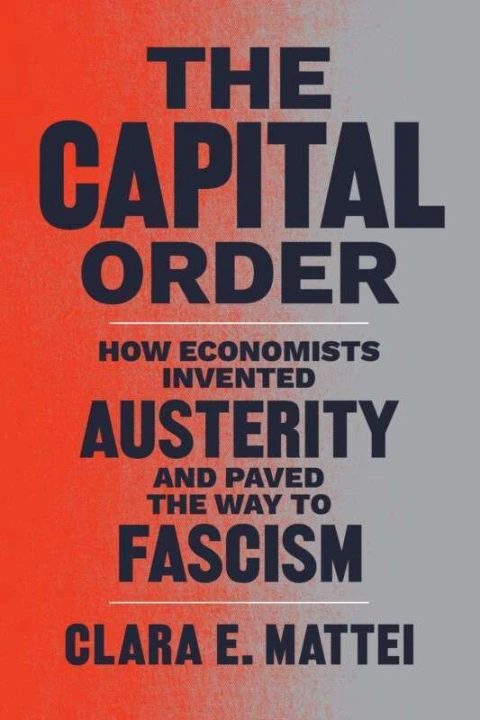
The Capital Order leaves even the most skeptical of readers with the question: "Has capitalism lost its innocence to its classist tendencies?"

Taming inflation by attacking its fundamental causes could help the masses much more than increasing wages every few months.
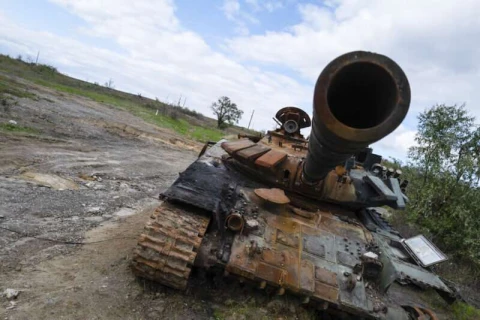
Nothing will worsen poverty as much as a contagion of financial meltdowns on the back of stagflation and the UN should intervene timely.

The Coronavirus pandemic has shown that capitalism is dysfunctional when labor is inactive.
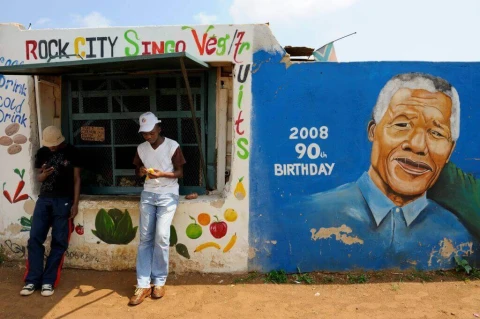
South Africa’s negotiated settlement achieved a great deal in terms of the political liberation of the masses, but its poor, mainly Black, citizens still languish in ongoing economic subjugation.
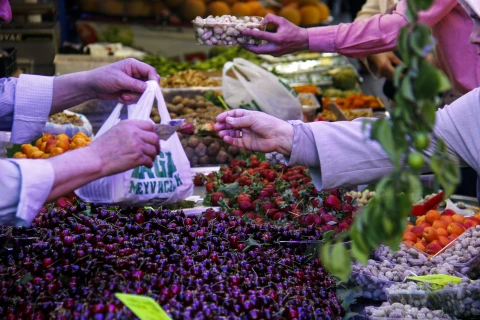
One should underscore not more saving or less consumption, but increasing the productivity level of the “consumption composition” when going through economic difficulties. It is not “more saving,” but “more productive consumption.”

Turkey is heading for a systemic transformation towards the “Presidential Government System” under such difficult global conditions. But it is exactly these difficult conditions that make Turkey’s systemic transition more important and inevitable.